

 Hrvatski
 Italiano
 Deutsch
 Français
Attractions
Attractions
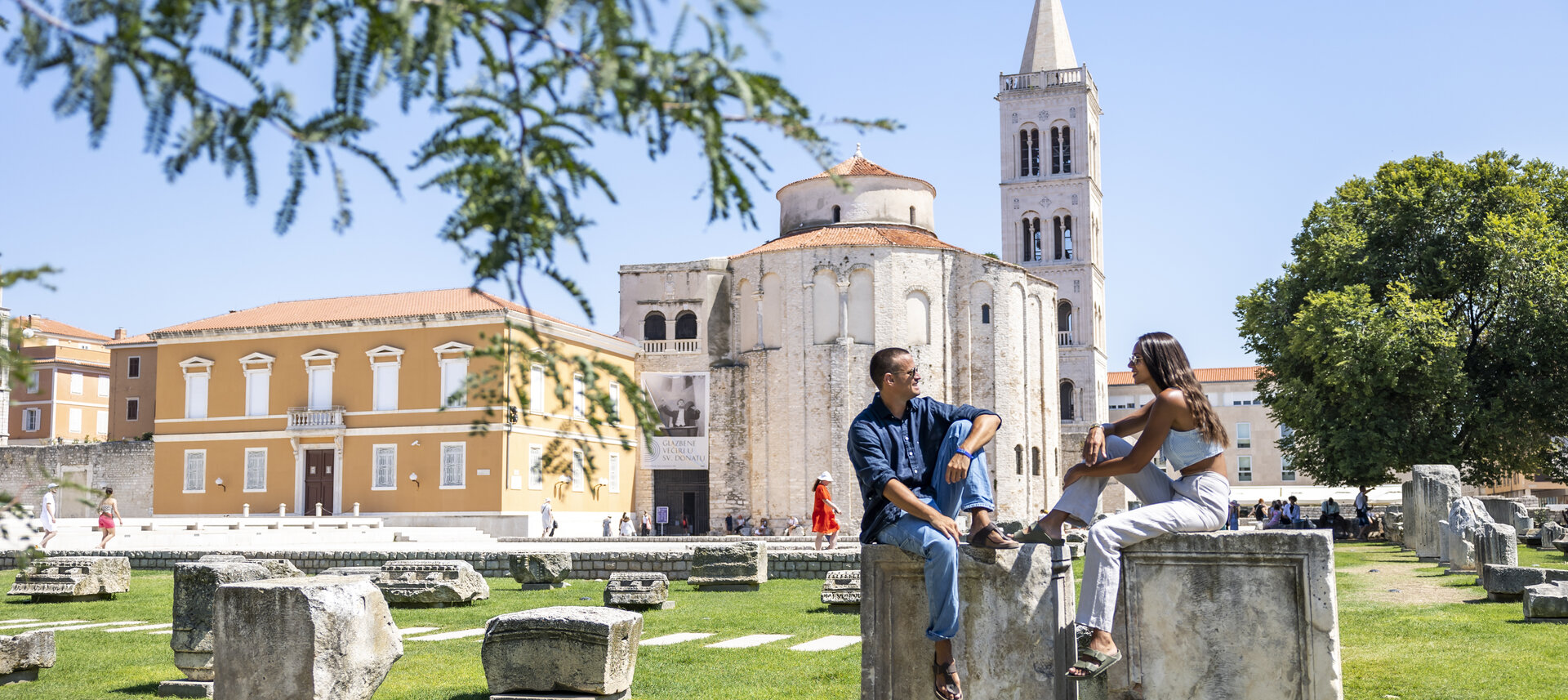
Zadar is both, an atmospheric time machine and an open-air museum. Here on display, you will find some of the most beautiful monuments of architecture and cultural heritage of the eastern Adriatic coast. Its city walls are the ancient guardians of this still vibrant historic museum in the open, end they were rightly added to UNESCO's World Heritage List.
Church and Monastery of St Dominic
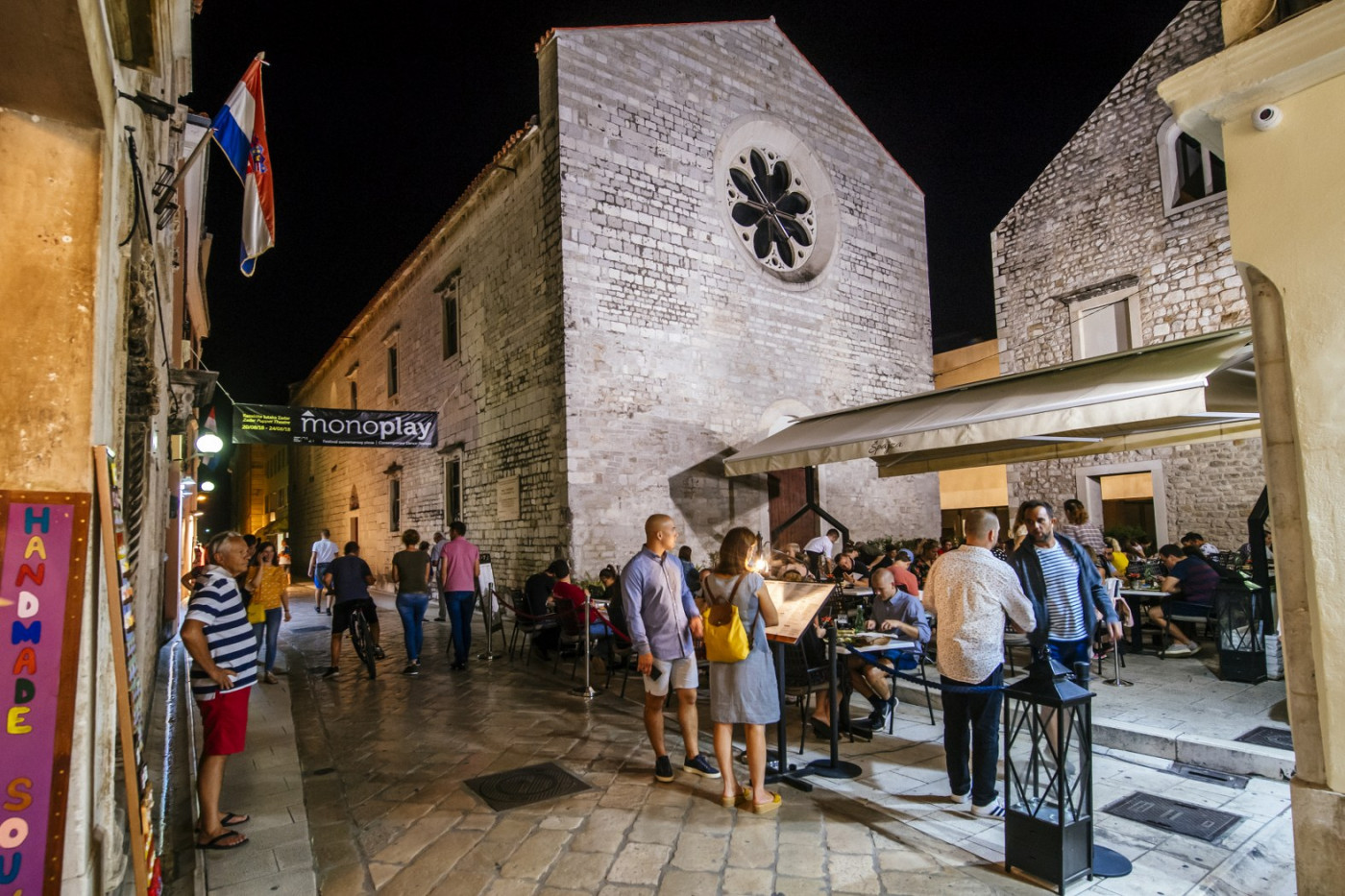
Read moreThe Gothic Church of St Dominic in Zadar is located on the west side of the Land Gate, right across the Nassis Palace and the complex of the Proveditor's Palace. In 1396 the first Croatian university started operating as part of the Dominican Monastery.
Church of St Chrysogonus
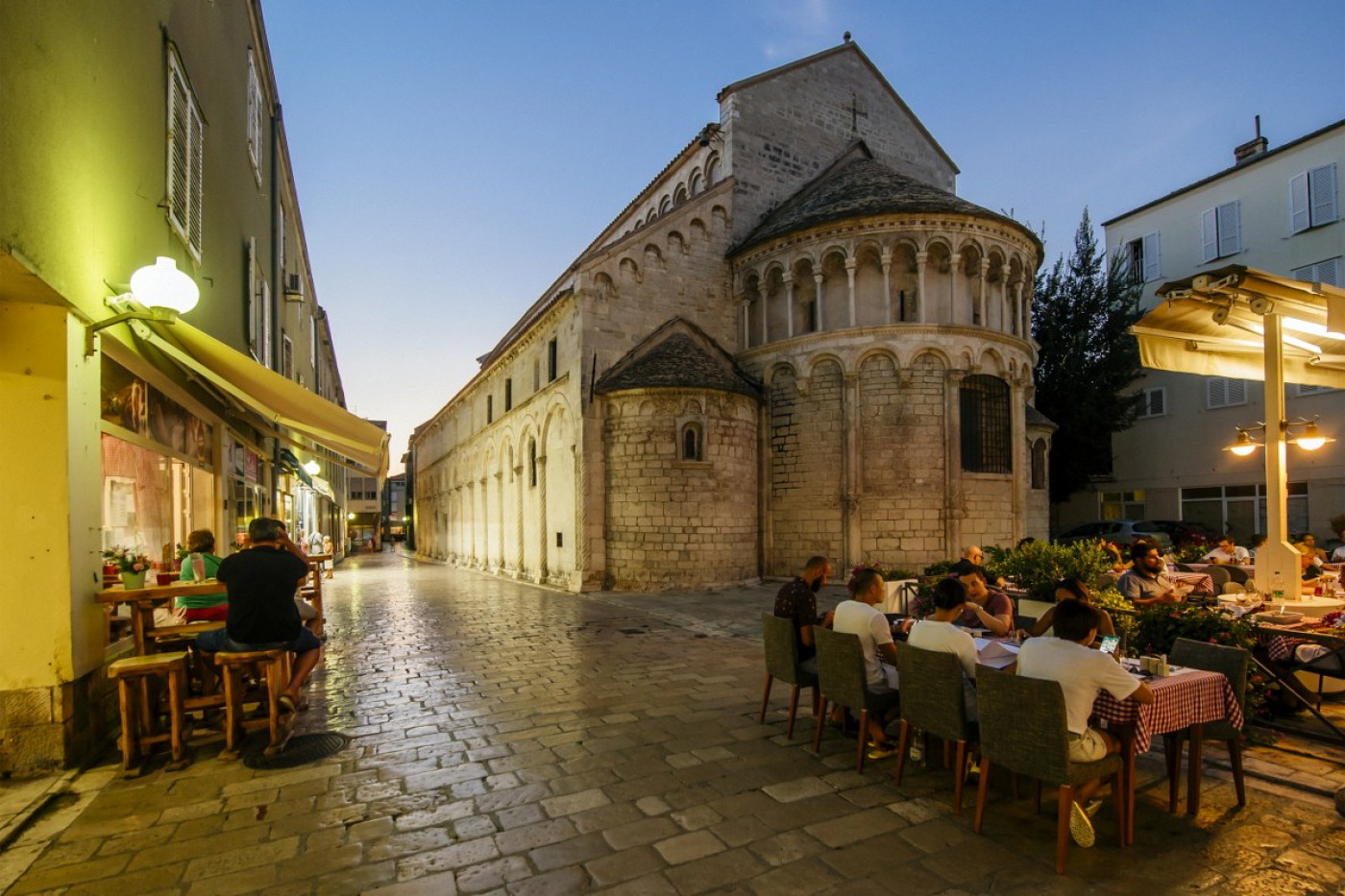
Read moreThe Romanesque Church of St Chrysogonus got its name after one of the patron saints of Zadar, and it was consecrated by Zadar bishop Lampridius in 1175. It was built on the site of the Roman emporium and the Church of St Anthony the Hermit from the 6th century.
Palaces
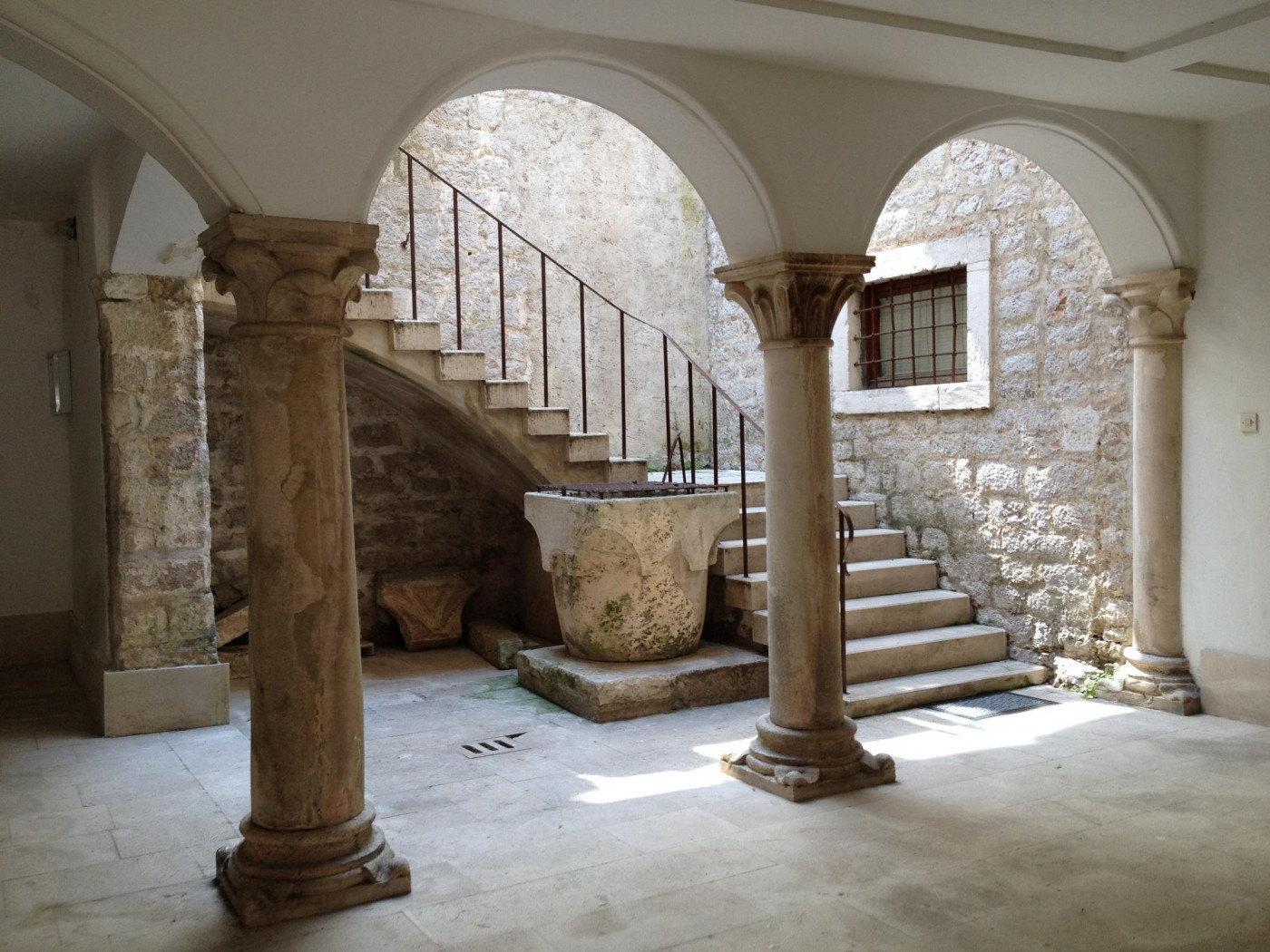
Read moreZadar is a city of palaces. The three-thousand-year-old past of the city is interwoven in its Mediterranean and European urban identity. The face of Zadar is represented by small and bigger squares, narrow streets, ancient churches and monumental memories from the past, as well as luxurious palaces from the Middle Ages and later periods, that are quietly leaning on the remains of Roman and Late-Antique buildings.
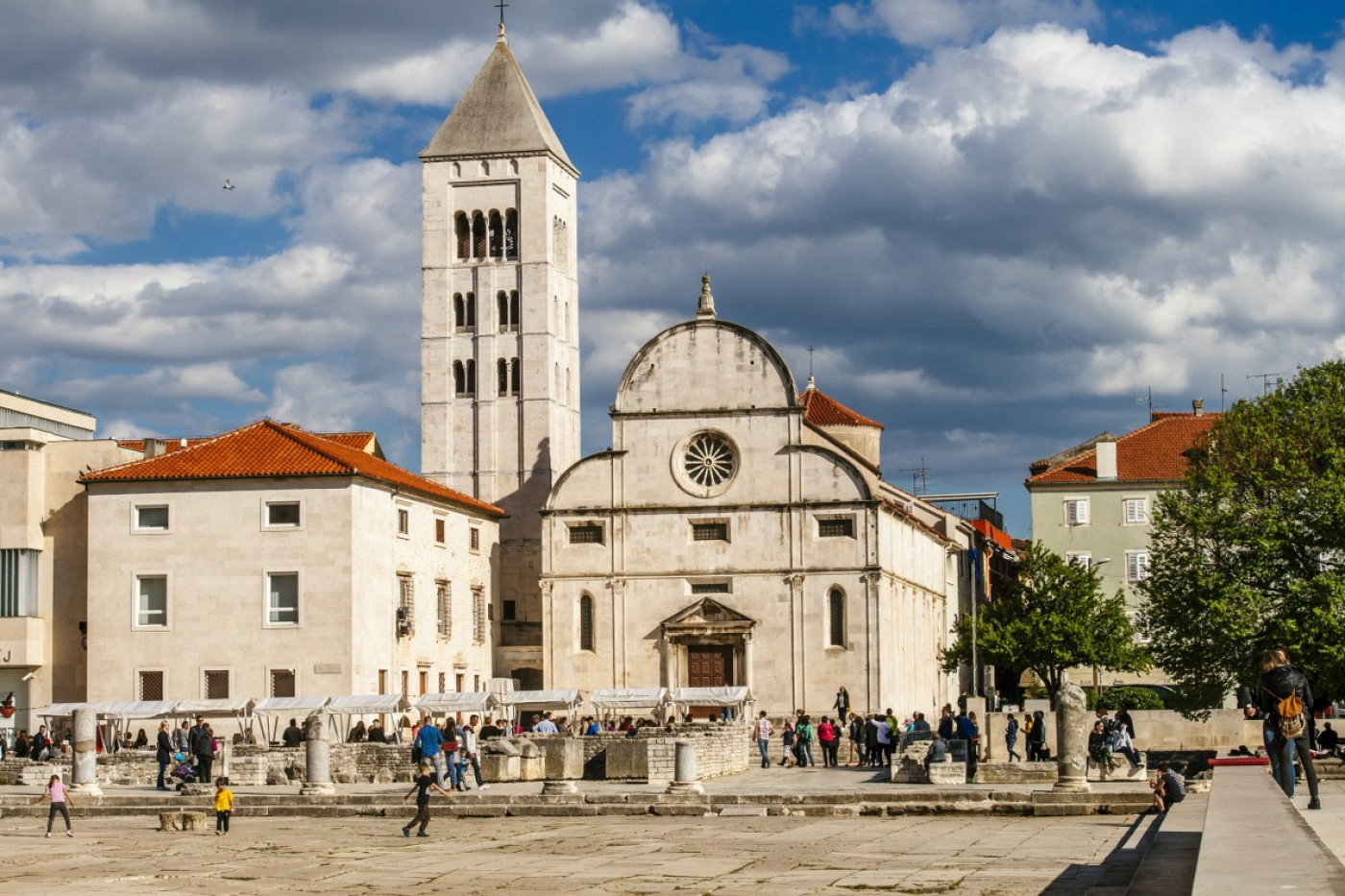
Church and Monastery of St Mary
Read moreThe Monastery of St Mary in Zadar was founded by the Zadar noblewoman Čika in 1066, by her mother, the sister of the Croatian king Peter Krešimir IV, and the big three-nave Church of St Mary was built in 1091 in the Pre-Romanesque style.

Stomorica Church
Read moreThe floor plan of the Stomorica Church in Zadar resembles a key, and according to tradition, it symbolizes St Peter's keys. Today only the base of that hexafoil Pre-Romanesque church, which was once dedicated to St Ursula, is preserved.

Zadar City Walls - UNESCO World Heritage Site
Read moreZadar is one of those European historical cities whose identity is related to the UNESCO World Heritage. Its city walls were impenetrable and they were defending the city from conquerors for centuries, offering a secure shelter for its citizens. Today, the walls make for a beloved promenade for travellers from all over the world.
Kalelarga
Read moreFrom the most ancient times in Zadar, known as Via Magna, Strada Grande or Ruga Magistra, Kalelarga has been the main street of the city. To Zadar citizens it is much more than that. It is the main urban artery, a cult space and the symbol of the city, to which the most beautiful memories are associated.

Zadar Puppet Theatre
Read moreThe Zadar Puppet Theatre has left a permanent mark on Croatian puppetry, and it is one of the recognizable Zadar cultural products.
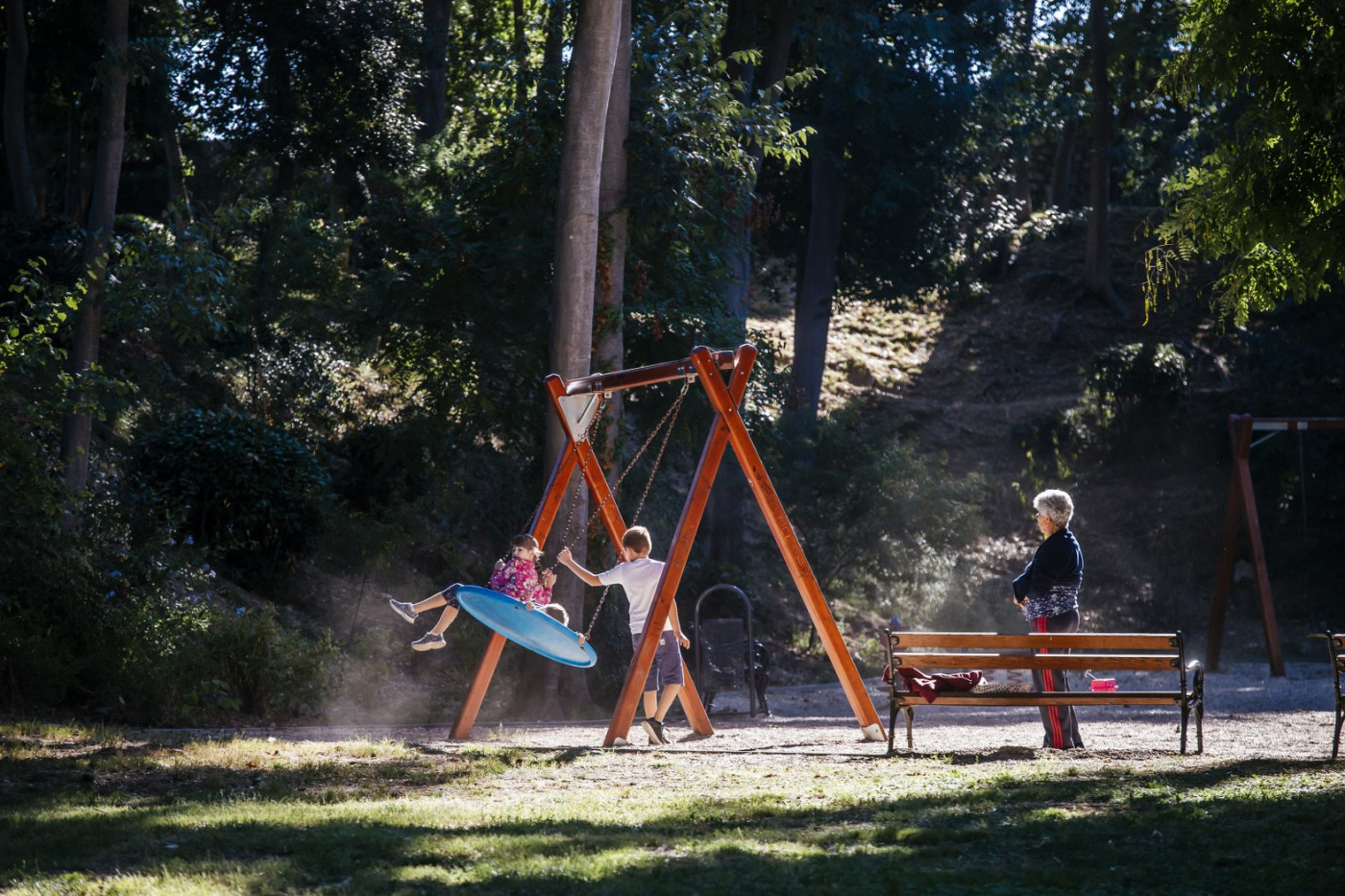
Parks
Read moreThe essence of Zadar lies in its ancient stone face, mottled with green abundance and historical parks. The surroundings enrich the city with natural beauties, its history provided it with landmarks, and its parks demonstrate the city’s urbanity and nobility.

Church of St Donat
Read moreThe Church of St Donat in Zadar has long been desacralized, meaning no liturgies are held here, and from the end of the 19th century until 1954 it housed the Zadar Archaeological Museum. As St Donat has exceptional acoustic characteristics, it has been the venue for Renaissance music festivals for decades.
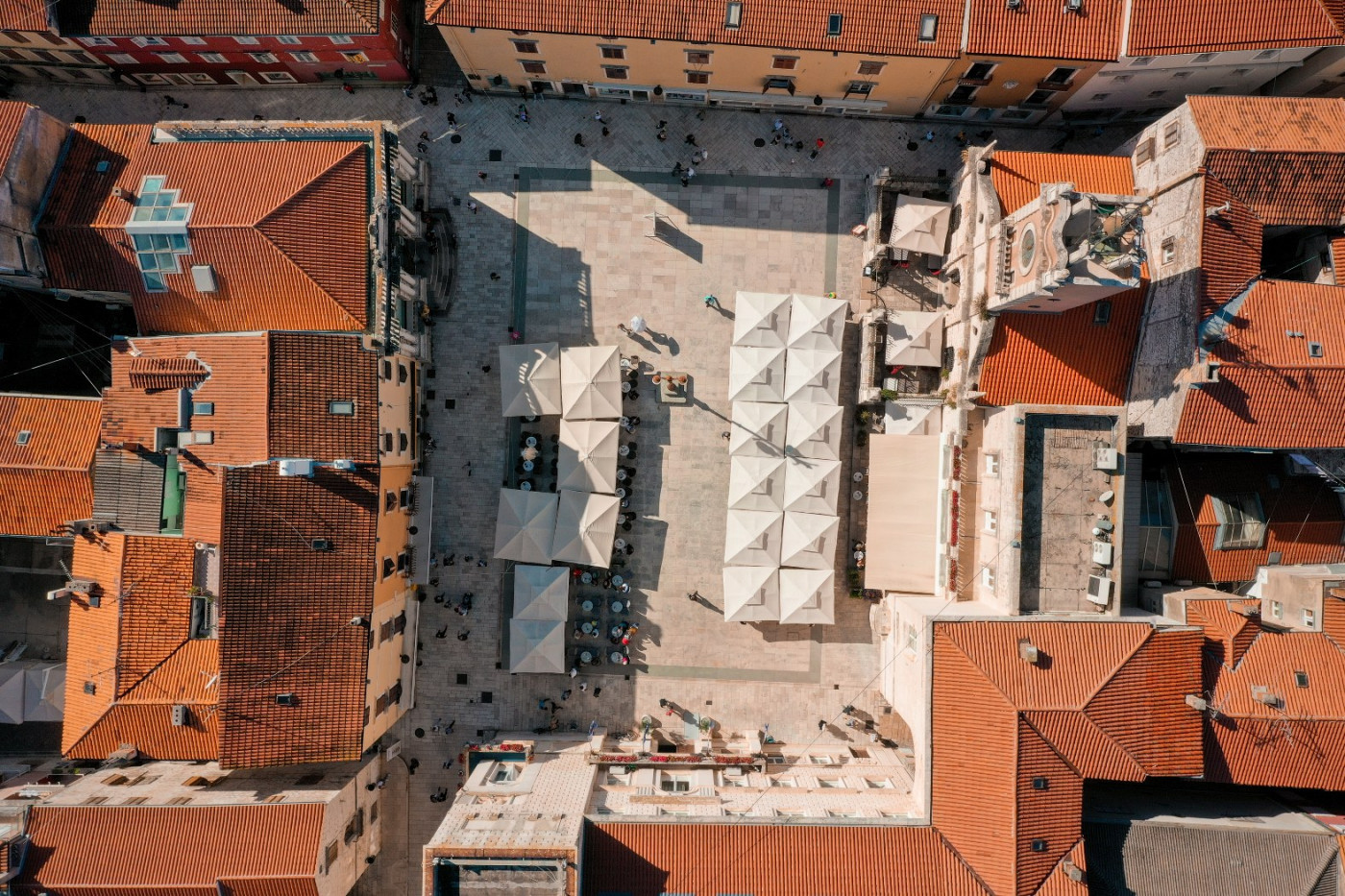
Squares
Read moreThe fragments and traces from the past reveal Zadar’s antiquity, whereas its dynamic squares demonstrate the urban identity of the city and its authentic connections to the Mediterranean and European culture. Zadar is a city of squares, where everything happens and everything gets disclosed.

Historic District of Varoš
Read moreIf Kalelarga has been the most important Zadar street and bloodstream of the city since antiquity, the historic district of Varoš is a symbol of a new Zadar. Its narrow streets are imbued with a life atmosphere that radiates comfort and moves slowly through the morning. Scenes of everyday ritual meetings and socializing, endless chit-chat (ćakula) and feasts take place in Varoš. Varoš is an exhibition space of a living city.