

 Hrvatski
 Italiano
 Deutsch
 Français
Attractions
Attractions
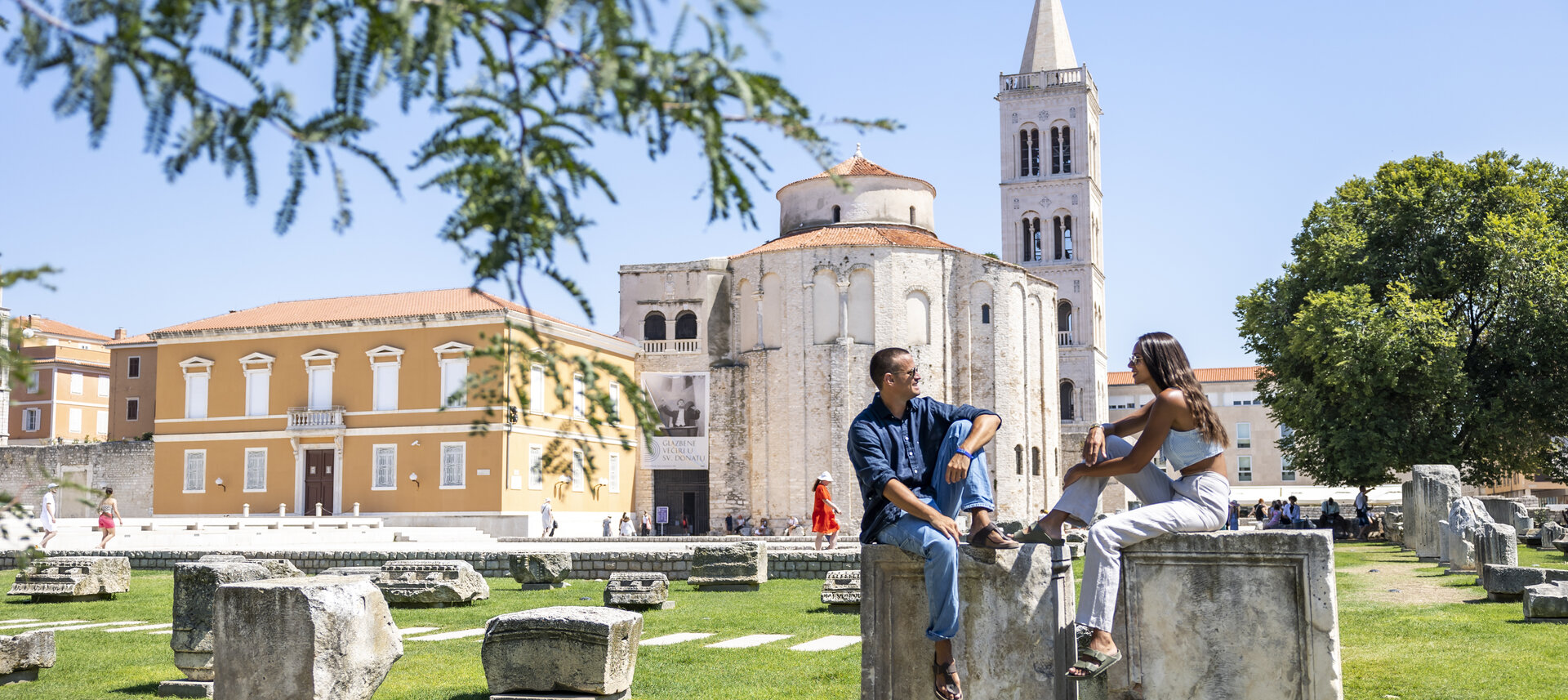
Zadar is both, an atmospheric time machine and an open-air museum. Here on display, you will find some of the most beautiful monuments of architecture and cultural heritage of the eastern Adriatic coast. Its city walls are the ancient guardians of this still vibrant historic museum in the open, end they were rightly added to UNESCO's World Heritage List.
Five Wells Square
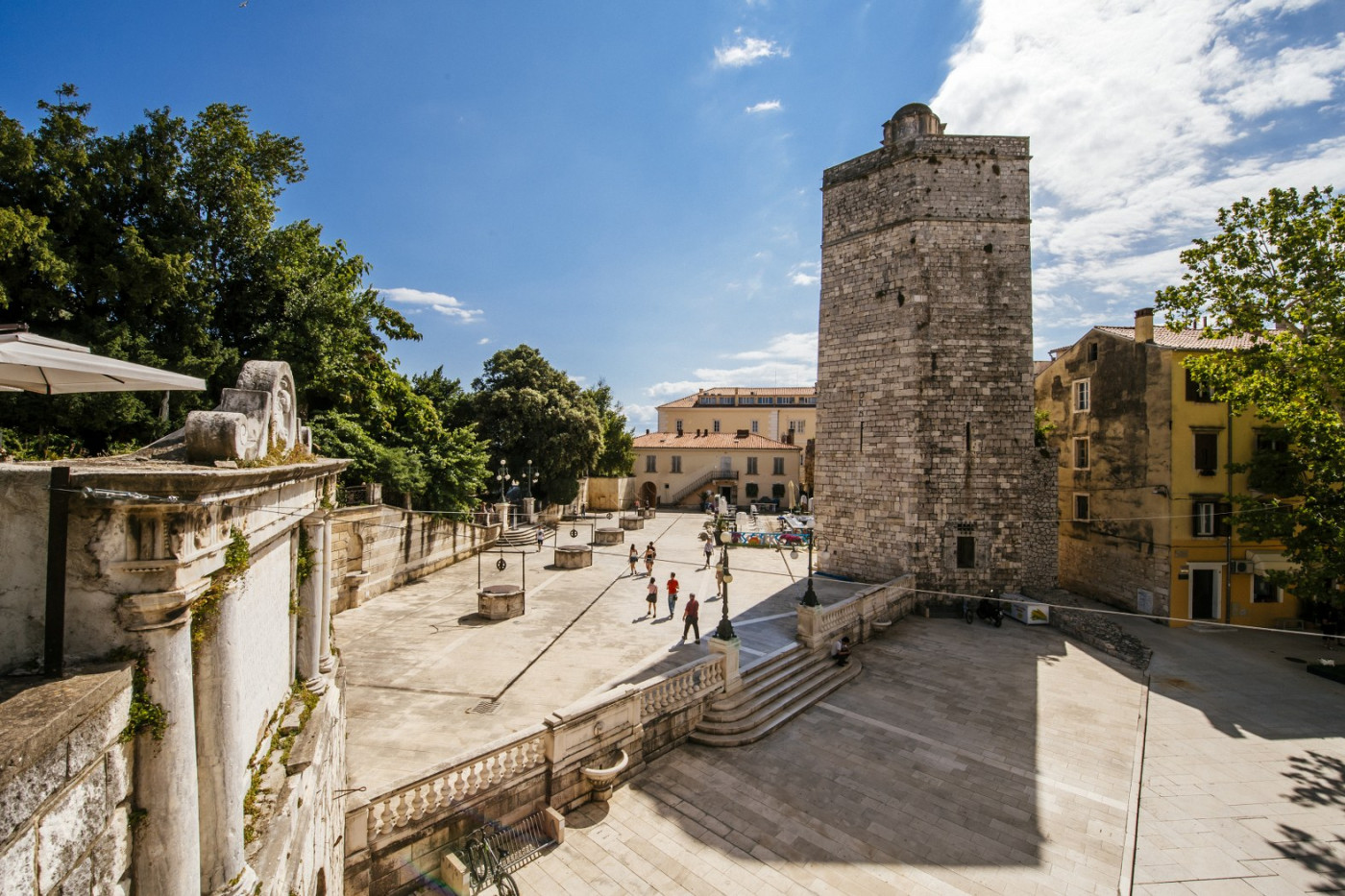
Read moreThe Renaissance Five Wells Square in Zadar is encircled by the western Medieval wall and the Captain's Tower that rises 26 metres, and by the supporting wall on the east with the entrance to the Queen Jelena Madije Park. You have not been to Zadar if you have not taken a picture here.

Cathedral of St Anastasia
Read moreThe Cathedral of St Anastasia is a monumental Romanesque building, and it carries the name of the Sirmian martyr, to whom two popes bowed down; Alexander the III, who visited her tomb, and Pope John Paul II, who bowed down in 2003 in front of the main gate of the Cathedral.

People's Square
Read moreEverything that has ever mattered in Zadar, since the Medieval period, happened or was heard of at the People's Square. It is the centre of urban life, a source that sucks you in with its energy and beauty, and then entrusts the passers-by to some other urban sensations.

Arsenal
Read moreThe Arsenal of Zadar dates back to the 16th century. This large port warehouse was expanded in 1752 under the rule of providur (overseer) Jeronim Marija Balbi, to which the inscription on the plaque on the front of the building testifies.

Church and Monastery of St Michael
Read moreThe Church and Monastery of St Michael is in a possession of a collection of artefacts, the most valuable of which are the painting of Our Lady of Snow, dating back to the beginning of the 17th century, Saint Lucy by an unknown painter, the Last Supper, and the Flagellation of Christ, all three from the 16th century.
Small Arsenal
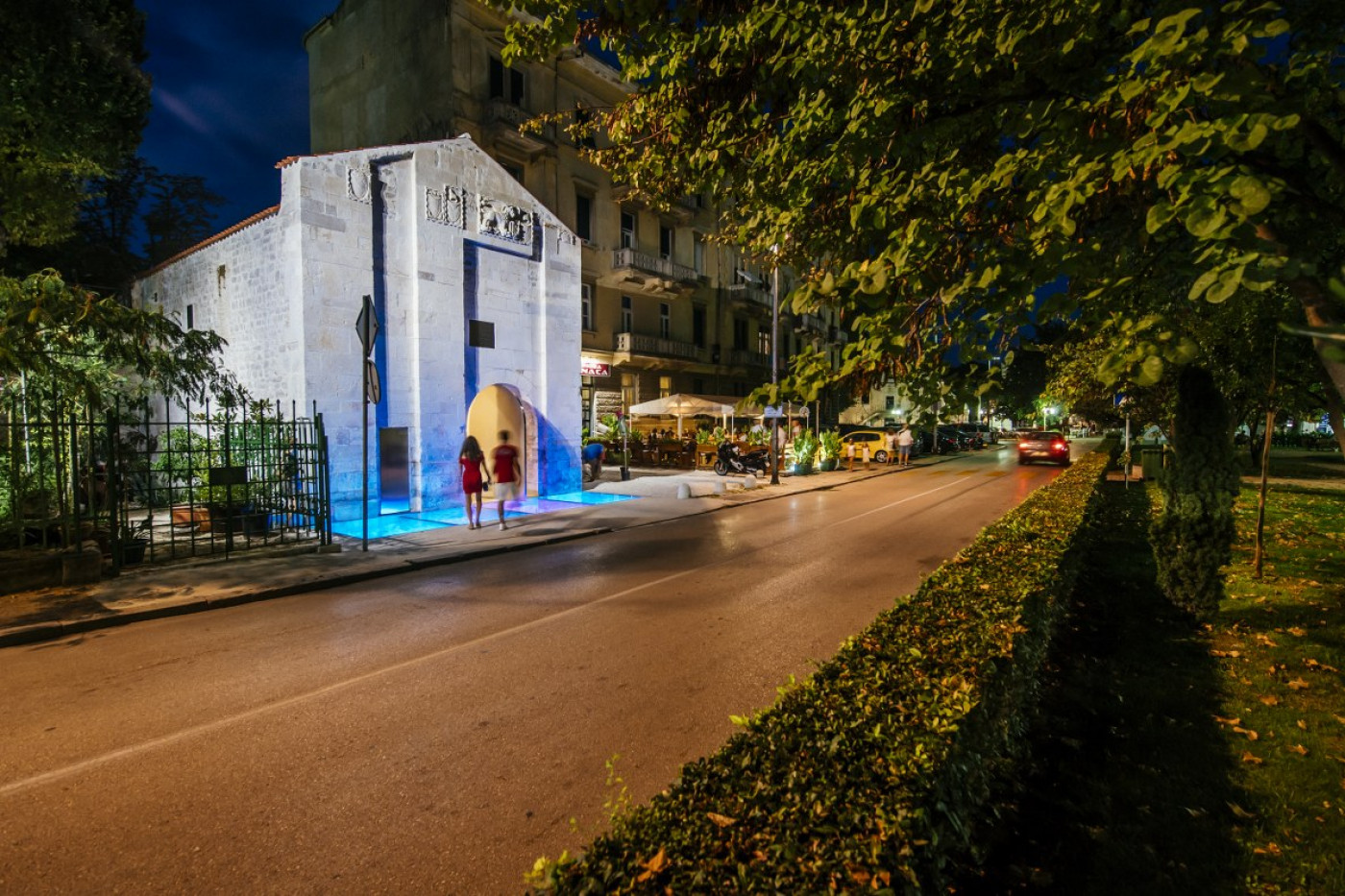
Read moreThe Small Arsenal in Zadar is a protected monument of culture and a part of the Medieval Castle (Kaštel), a separate structure that has been integrated in the defensive system of the city walls. Only some parts have been preserved, among which is the lower part of the entrance tower that was later transformed into a gunpowder warehouse.
Parks
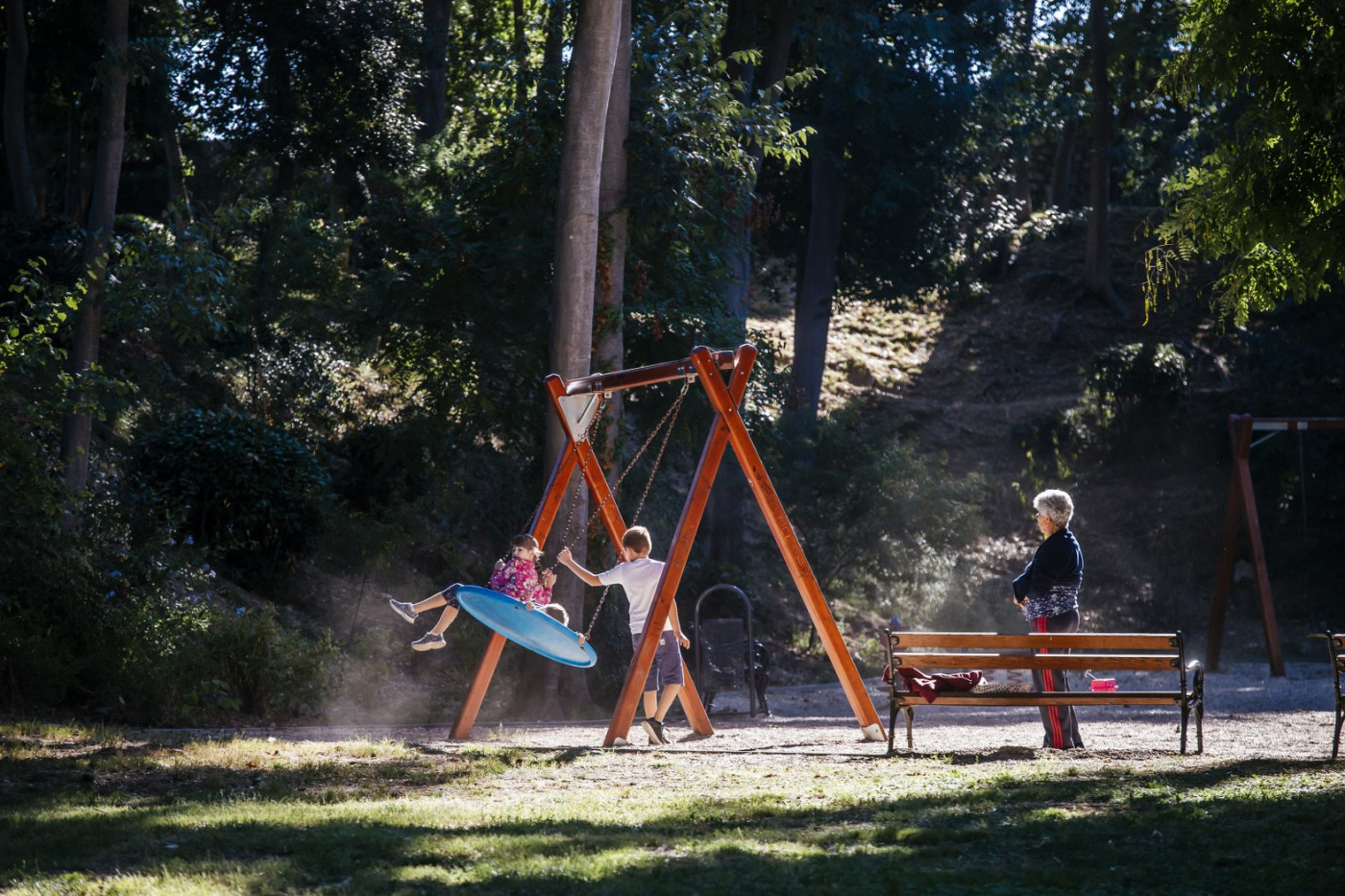
Read moreThe essence of Zadar lies in its ancient stone face, mottled with green abundance and historical parks. The surroundings enrich the city with natural beauties, its history provided it with landmarks, and its parks demonstrate the city’s urbanity and nobility.

Zadar Puppet Theatre
Read moreThe Zadar Puppet Theatre has left a permanent mark on Croatian puppetry, and it is one of the recognizable Zadar cultural products.
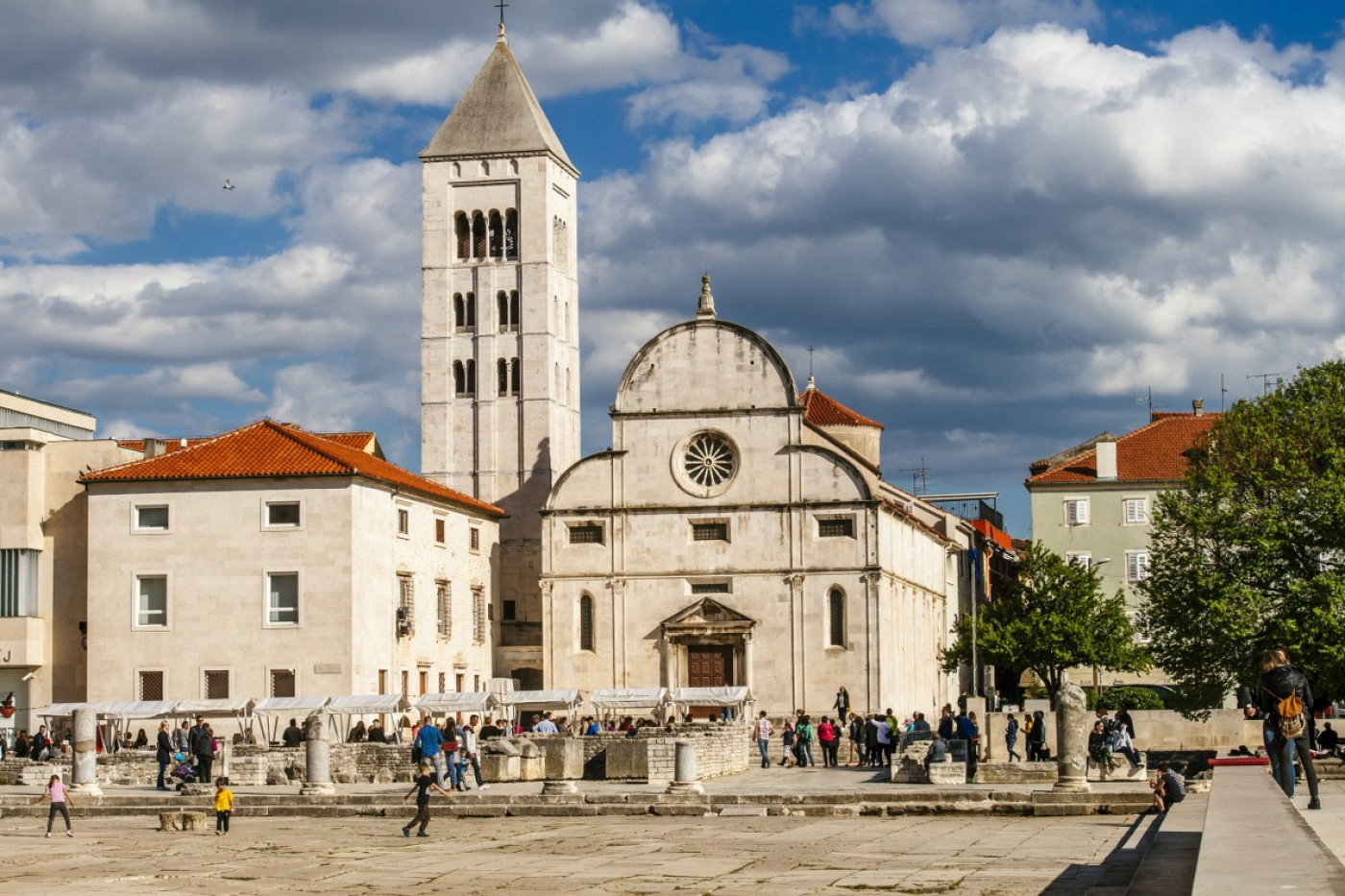
Church and Monastery of St Mary
Read moreThe Monastery of St Mary in Zadar was founded by the Zadar noblewoman Čika in 1066, by her mother, the sister of the Croatian king Peter Krešimir IV, and the big three-nave Church of St Mary was built in 1091 in the Pre-Romanesque style.

Sea Organ
Read moreZadar is a proud owner of a unique blend of architecture and music, the world-famous Sea Organ, which is located right next to another modern installation, the Greeting to the Sun. The sounds that the Sea Organ produces are a result of the release of sea energy, or rather waves and tides.
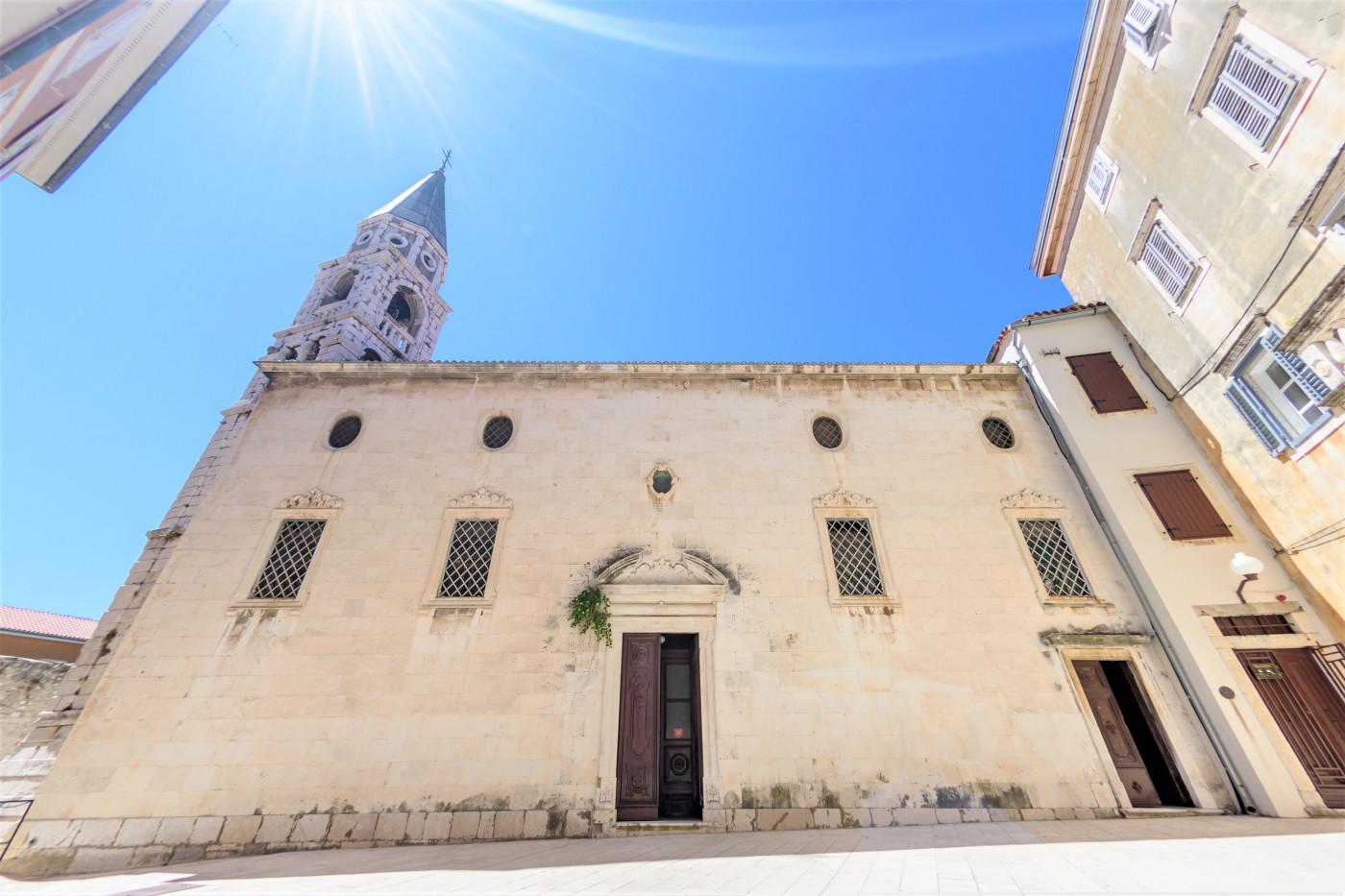
Church of St Elias the Prophet
Read moreThe Church of St Elias the Prophet in Zadar is located on the Roman Capitoline. It was constructed in the 16th century on the spot of the Medieval catholic church of the same name. It was adapted in the 18th century in Late-Baroque style, and it preserves a rich collection of icons dating back from the 16th to the 18th century.

A 3D Sculptural Representation of the Historical City Centre of Zadar
Read moreEvery now and then, strolling along the famous Zadar city walls, which the people of Zadar call Muraj, uncovers some new surprises. New ways of interpreting our city are emerging in a quiet manner. Why is that? Because Zadar has a lot to say.