

 Hrvatski
 Italiano
 Deutsch
 Français
Attractions
Attractions
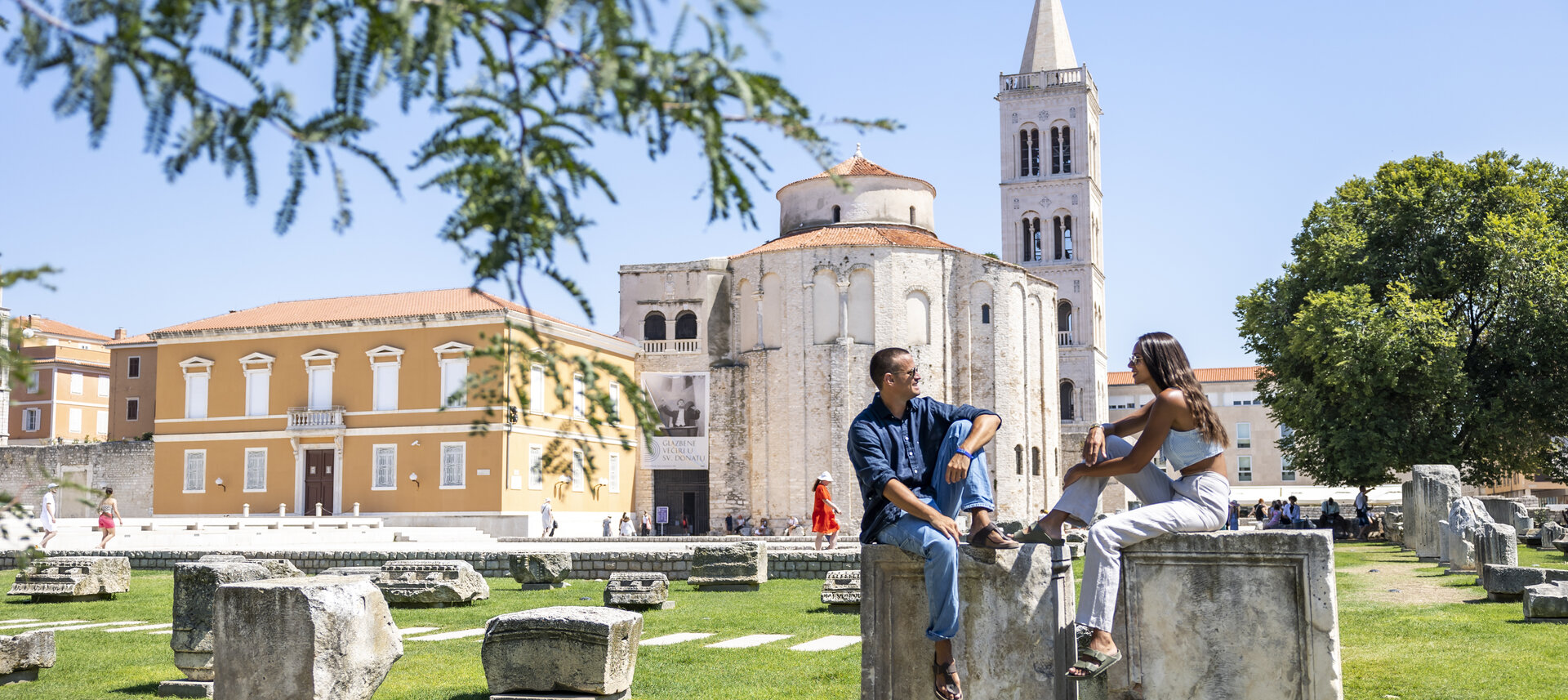
Zadar is both, an atmospheric time machine and an open-air museum. Here on display, you will find some of the most beautiful monuments of architecture and cultural heritage of the eastern Adriatic coast. Its city walls are the ancient guardians of this still vibrant historic museum in the open, end they were rightly added to UNESCO's World Heritage List.
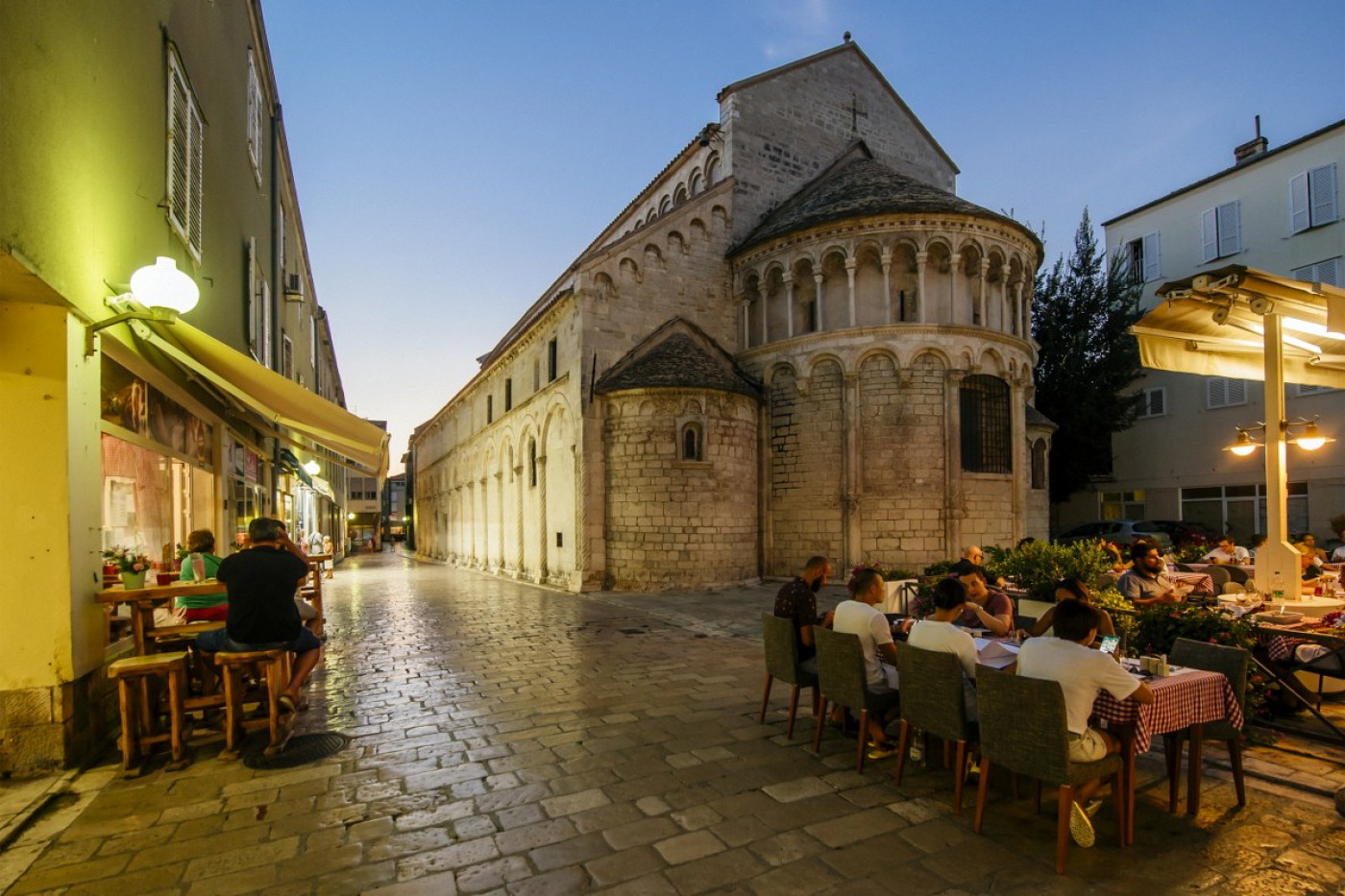
Church of St Chrysogonus
Read moreThe Romanesque Church of St Chrysogonus got its name after one of the patron saints of Zadar, and it was consecrated by Zadar bishop Lampridius in 1175. It was built on the site of the Roman emporium and the Church of St Anthony the Hermit from the 6th century.

Zadar Sphinx
Read moreThe stories about the Zadar Sphinx, and the treasure buried under it, were the inspiration for numerous fantasies by generations of Zadar citizens.
Palaces
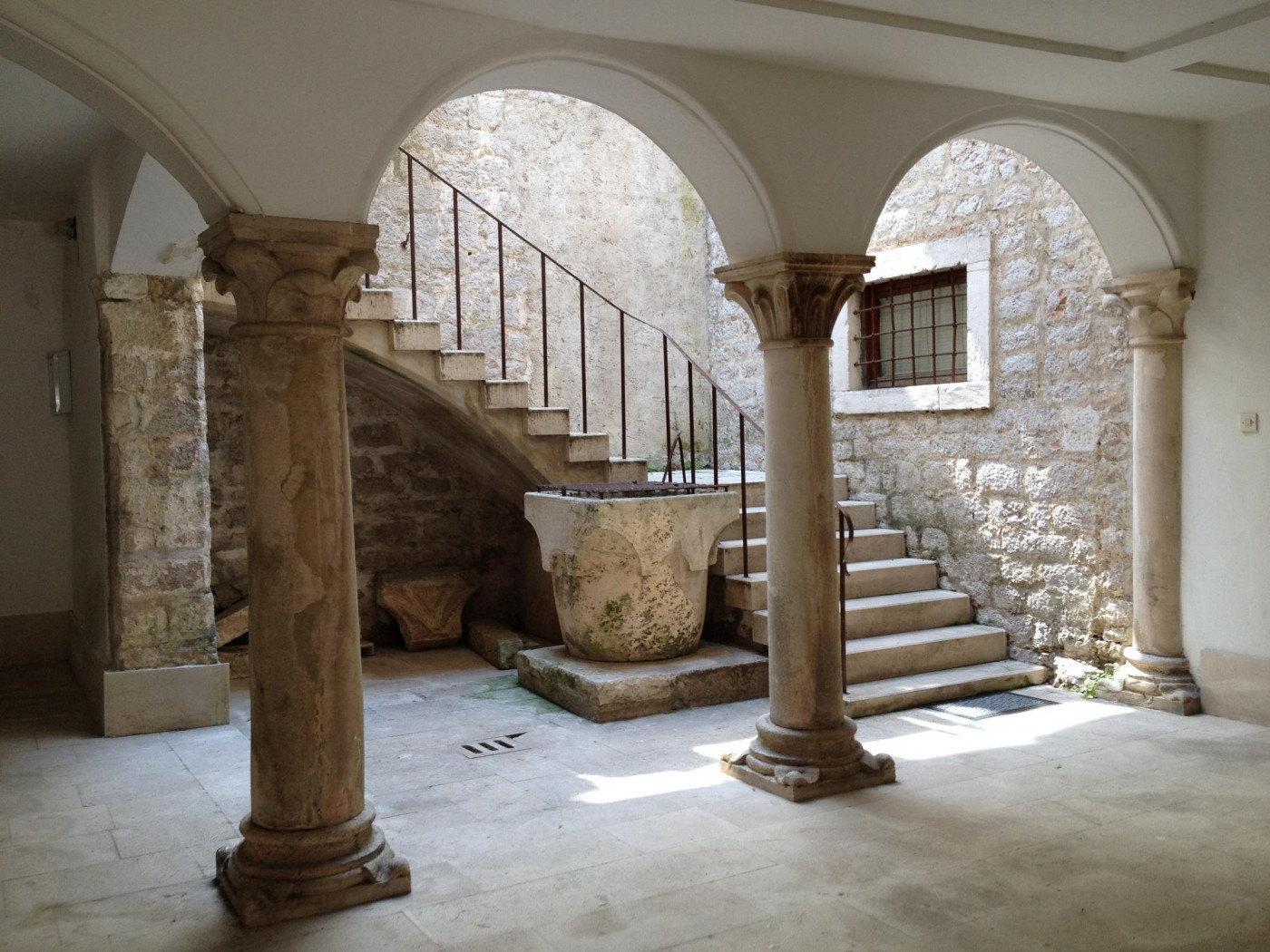
Read moreZadar is a city of palaces. The three-thousand-year-old past of the city is interwoven in its Mediterranean and European urban identity. The face of Zadar is represented by small and bigger squares, narrow streets, ancient churches and monumental memories from the past, as well as luxurious palaces from the Middle Ages and later periods, that are quietly leaning on the remains of Roman and Late-Antique buildings.

Zadar City Walls - UNESCO World Heritage Site
Read moreZadar is one of those European historical cities whose identity is related to the UNESCO World Heritage. Its city walls were impenetrable and they were defending the city from conquerors for centuries, offering a secure shelter for its citizens. Today, the walls make for a beloved promenade for travellers from all over the world.
Kalelarga
Read moreFrom the most ancient times in Zadar, known as Via Magna, Strada Grande or Ruga Magistra, Kalelarga has been the main street of the city. To Zadar citizens it is much more than that. It is the main urban artery, a cult space and the symbol of the city, to which the most beautiful memories are associated.

Croatian National Theatre Zadar
Read moreThe theatrical ensemble of the Croatian National Theatre Zadar was founded 14 years ago, when it started its professional productions together with the Zadar actors. It offers season tickets, as well as on-the-day tickets throughout the year, and is famous for its yearly event, the Zadar Summer Theatre.
Church and Monastery of St Francis
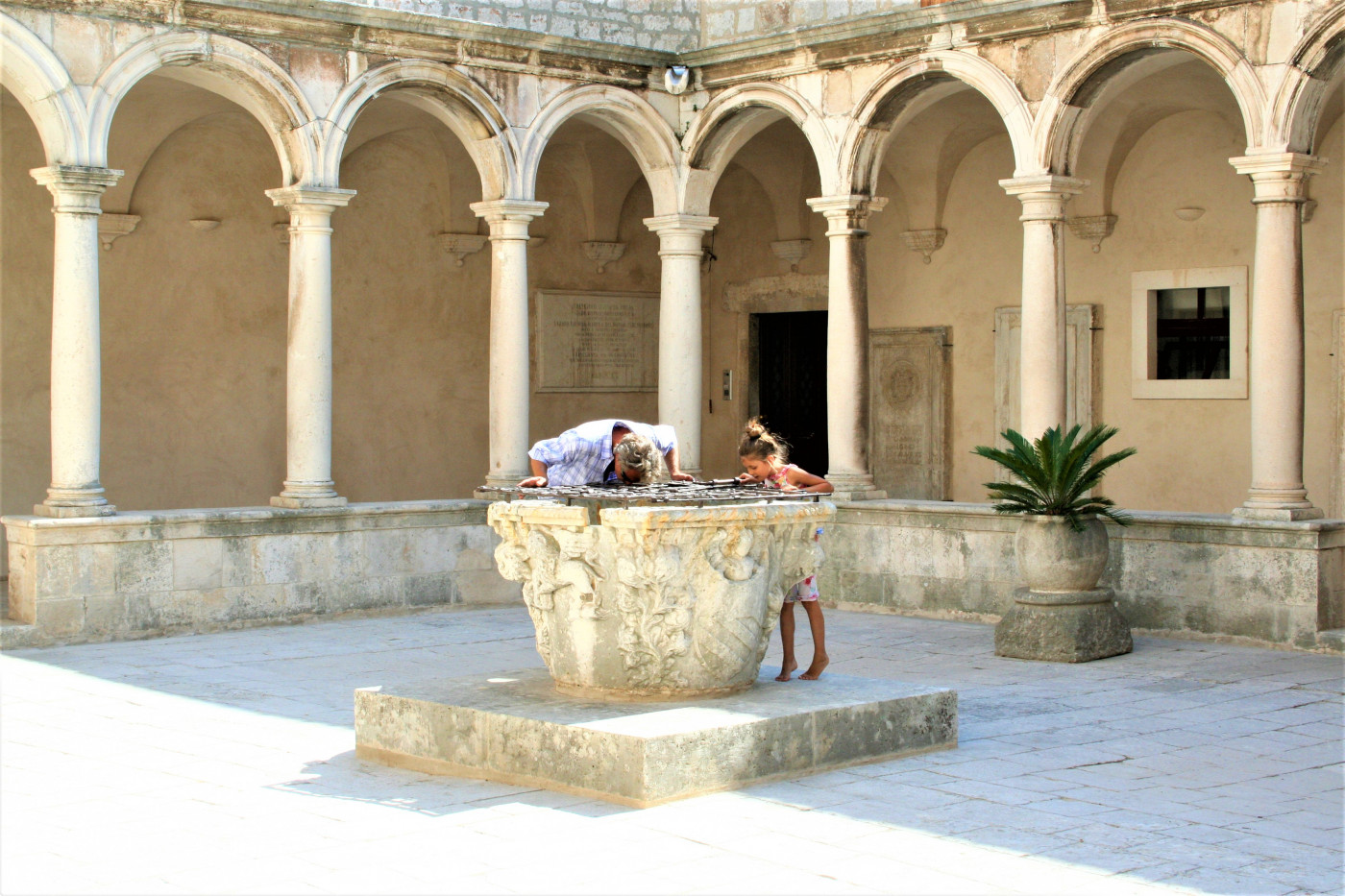
Read moreThe Church and the Monastery of St Francis in Zadar, from 1283, is the oldest Dalmatian church built in Gothic style. In 1358 the Zadar Peace Treaty was signed between the Republic of Venice and the Hungarian-Croatian king Louis I in its Sacristy.

Church of Our Lady of Health
Read moreThe painting of the Lady of Castello, painted by Blaž Jurjev Trogiranin (Blaise de Trogir) in the 15th century, was preserved in the Church of Our Lady of Health, and today it is a part of the permanent display of the Exhibition of Religious Art, the so-called Gold and Silver of Zadar. The church has been very popular among many generations of Zadar citizens.

A 3D Sculptural Representation of the Historical City Centre of Zadar
Read moreEvery now and then, strolling along the famous Zadar city walls, which the people of Zadar call Muraj, uncovers some new surprises. New ways of interpreting our city are emerging in a quiet manner. Why is that? Because Zadar has a lot to say.
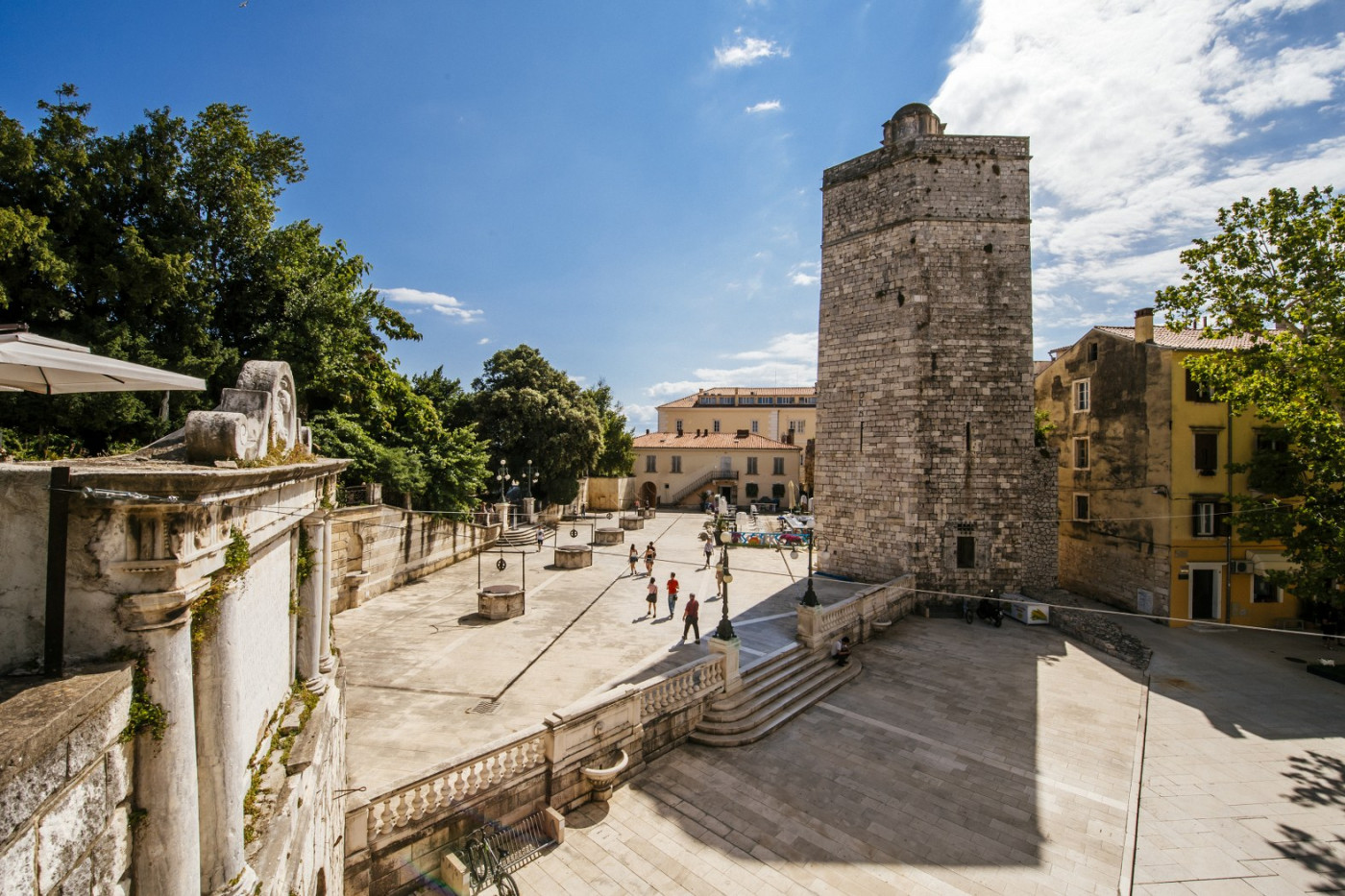
Five Wells Square
Read moreThe Renaissance Five Wells Square in Zadar is encircled by the western Medieval wall and the Captain's Tower that rises 26 metres, and by the supporting wall on the east with the entrance to the Queen Jelena Madije Park. You have not been to Zadar if you have not taken a picture here.

Church of St Donat
Read moreThe Church of St Donat in Zadar has long been desacralized, meaning no liturgies are held here, and from the end of the 19th century until 1954 it housed the Zadar Archaeological Museum. As St Donat has exceptional acoustic characteristics, it has been the venue for Renaissance music festivals for decades.

Forum
Read moreThe Forum in Zadar was built by the first Roman Emperor Gaius Julius Caesar Octavian, as witnessed by the stone inscriptions dating back to the 3rd century, when the construction finished. It was once enclosed by a portico with galleries on the first floor, and under the portico there used to be shops and stalls.