

 Hrvatski
 Italiano
 Deutsch
 Français
Attractions
Attractions
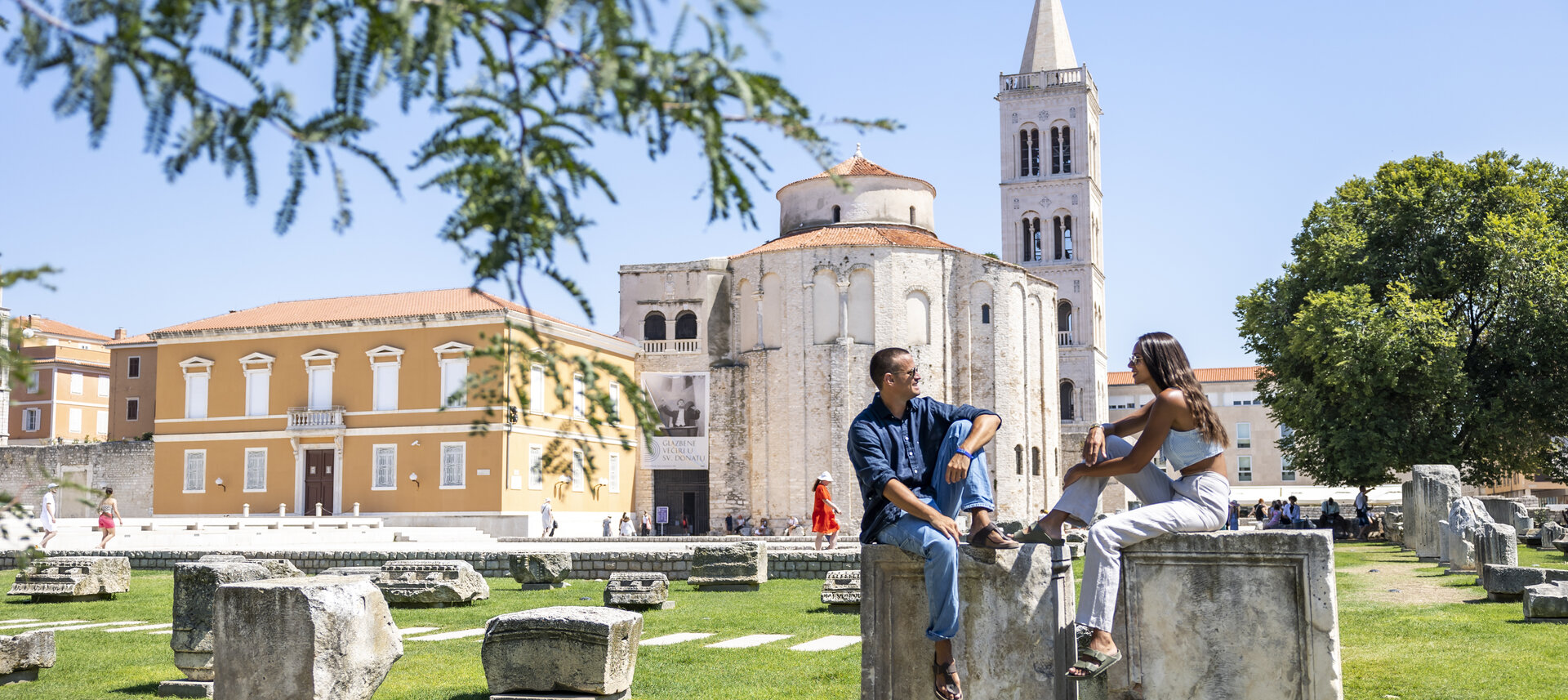
Zadar is both, an atmospheric time machine and an open-air museum. Here on display, you will find some of the most beautiful monuments of architecture and cultural heritage of the eastern Adriatic coast. Its city walls are the ancient guardians of this still vibrant historic museum in the open, end they were rightly added to UNESCO's World Heritage List.

Zadar Sphinx
Read moreThe stories about the Zadar Sphinx, and the treasure buried under it, were the inspiration for numerous fantasies by generations of Zadar citizens.

People's Square
Read moreEverything that has ever mattered in Zadar, since the Medieval period, happened or was heard of at the People's Square. It is the centre of urban life, a source that sucks you in with its energy and beauty, and then entrusts the passers-by to some other urban sensations.

Zadar Seafront - Riva
Read moreThe Zadar seafront called Riva, is a place of meeting, gathering and happenings, as well as a place for pleasant strolls with the view over the Ugljan and Pašman islands, and the endless open sea to the northwest. It is embellished by magnificent palm trees, ancient holm oaks and other lush vegetation.
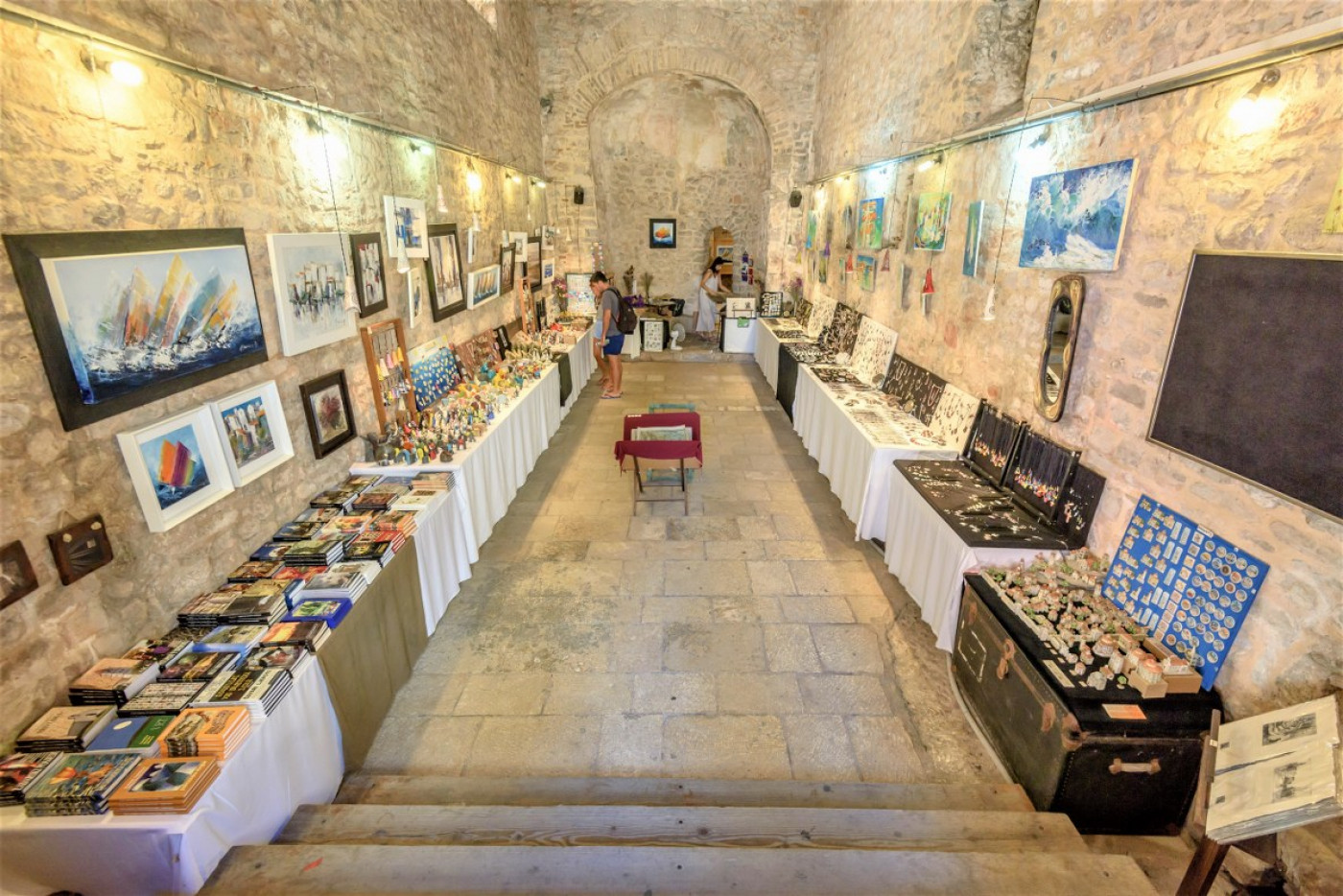
Church of St Andrew and St Peter the Elder
Read moreThe Church of St Andrew and St Peter the Elder in Zadar is an example of a double church, located near the city market, and functioning as two connected little churches. The southern side wall and the apse of the Church of St Andrew date back to the 5th century, while the Church of St Peter was built on the spot of former Roman buildings.

Cathedral of St Anastasia
Read moreThe Cathedral of St Anastasia is a monumental Romanesque building, and it carries the name of the Sirmian martyr, to whom two popes bowed down; Alexander the III, who visited her tomb, and Pope John Paul II, who bowed down in 2003 in front of the main gate of the Cathedral.

Historic District of Varoš
Read moreIf Kalelarga has been the most important Zadar street and bloodstream of the city since antiquity, the historic district of Varoš is a symbol of a new Zadar. Its narrow streets are imbued with a life atmosphere that radiates comfort and moves slowly through the morning. Scenes of everyday ritual meetings and socializing, endless chit-chat (ćakula) and feasts take place in Varoš. Varoš is an exhibition space of a living city.
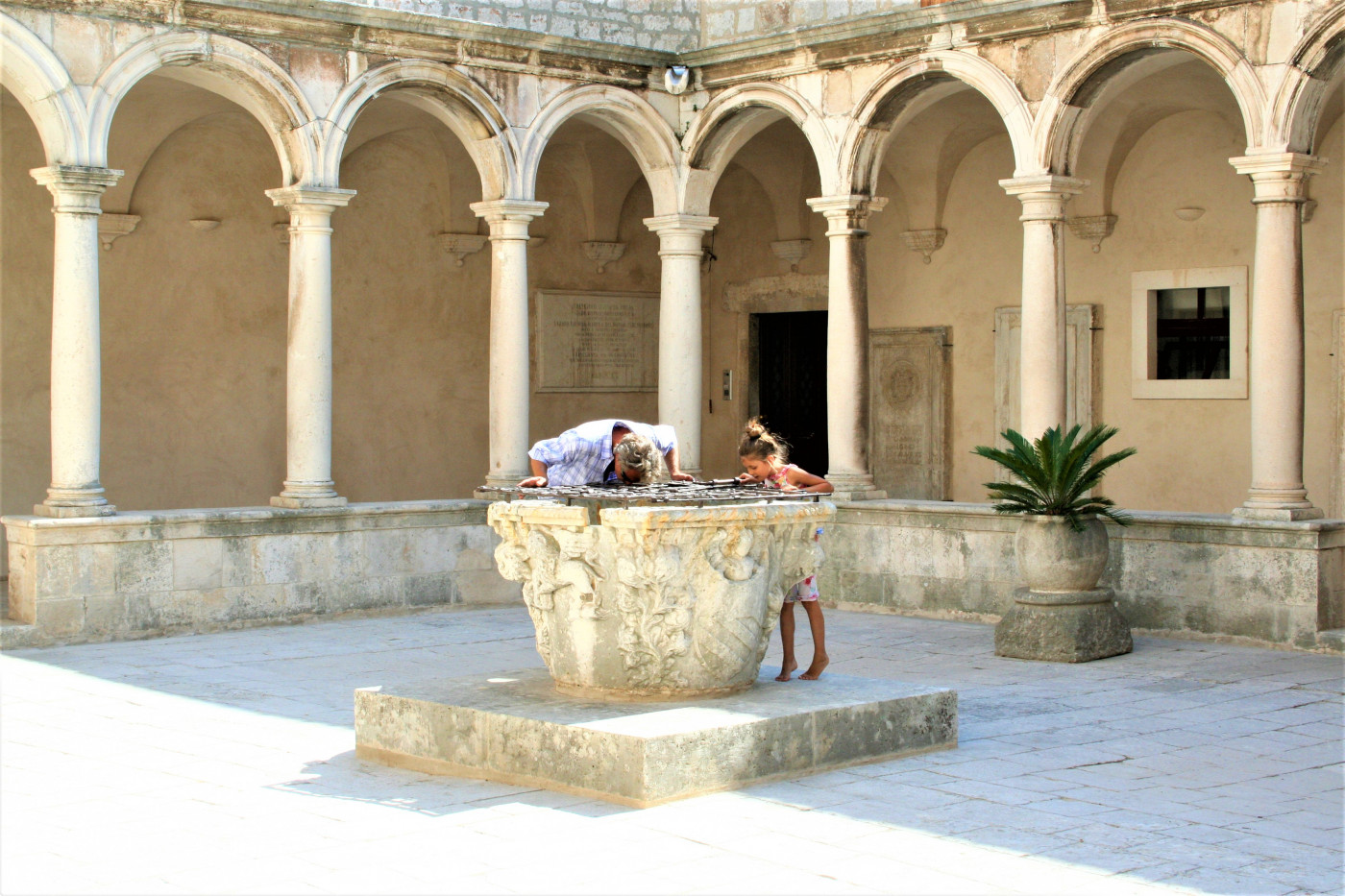
Church and Monastery of St Francis
Read moreThe Church and the Monastery of St Francis in Zadar, from 1283, is the oldest Dalmatian church built in Gothic style. In 1358 the Zadar Peace Treaty was signed between the Republic of Venice and the Hungarian-Croatian king Louis I in its Sacristy.

Foša
Read moreFoša is a municipal little harbour in Zadar and one of the symbols of the city. Because of its centuries-old atmosphere and position next to the Renaissance ramparts, it is one of the favourite places to go for a stroll, to take photographs and to enjoy the lavish harbour colouring.

Zadar City Walls - UNESCO World Heritage Site
Read moreZadar is one of those European historical cities whose identity is related to the UNESCO World Heritage. Its city walls were impenetrable and they were defending the city from conquerors for centuries, offering a secure shelter for its citizens. Today, the walls make for a beloved promenade for travellers from all over the world.
A 3D Sculptural Representation of the Historical City Centre of Zadar
Read moreEvery now and then, strolling along the famous Zadar city walls, which the people of Zadar call Muraj, uncovers some new surprises. New ways of interpreting our city are emerging in a quiet manner. Why is that? Because Zadar has a lot to say.
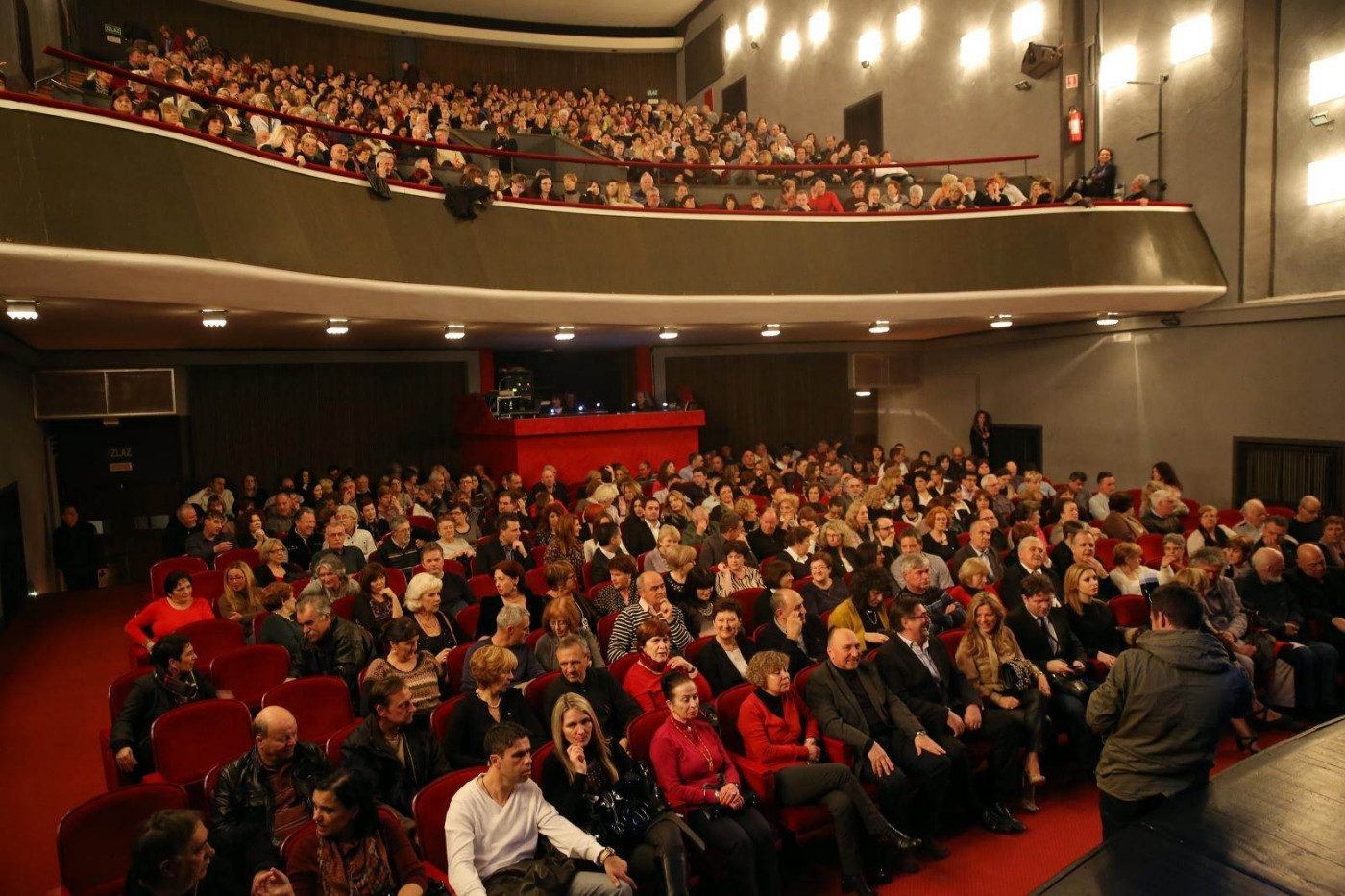
Croatian National Theatre Zadar
Read moreThe theatrical ensemble of the Croatian National Theatre Zadar was founded 14 years ago, when it started its professional productions together with the Zadar actors. It offers season tickets, as well as on-the-day tickets throughout the year, and is famous for its yearly event, the Zadar Summer Theatre.

Church and Monastery of St Michael
Read moreThe Church and Monastery of St Michael is in a possession of a collection of artefacts, the most valuable of which are the painting of Our Lady of Snow, dating back to the beginning of the 17th century, Saint Lucy by an unknown painter, the Last Supper, and the Flagellation of Christ, all three from the 16th century.