
Attractions
Attractions
Zadar is both, an atmospheric time machine and an open-air museum. Here on display, you will find some of the most beautiful monuments of architecture and cultural heritage of the eastern Adriatic coast. Its city walls are the ancient guardians of this still vibrant historic museum in the open, end they were rightly added to UNESCO's World Heritage List.
Churches
Churches
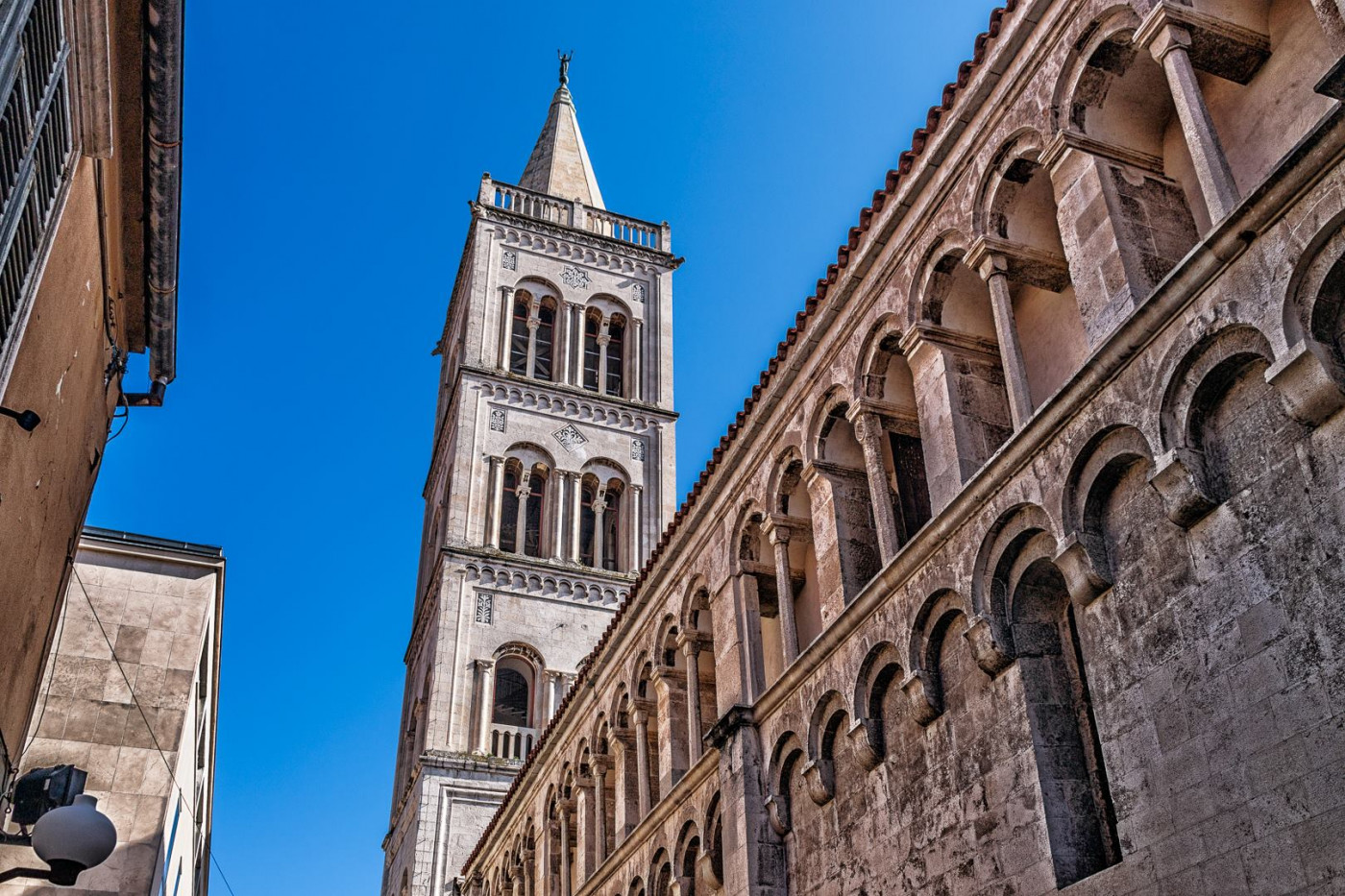
When the legendary traveller, Jason, founded Zadar with his Argonauts, according to a Zadar poet, it just might be that the original ground stone built in its foundation was a sanctuary. On a small space, during a long period, churches have been built one upon the other older, as evidence of continuity of the spiritual life of its citizens.
Church of St Elias the Prophet
Church of St Elias the Prophet
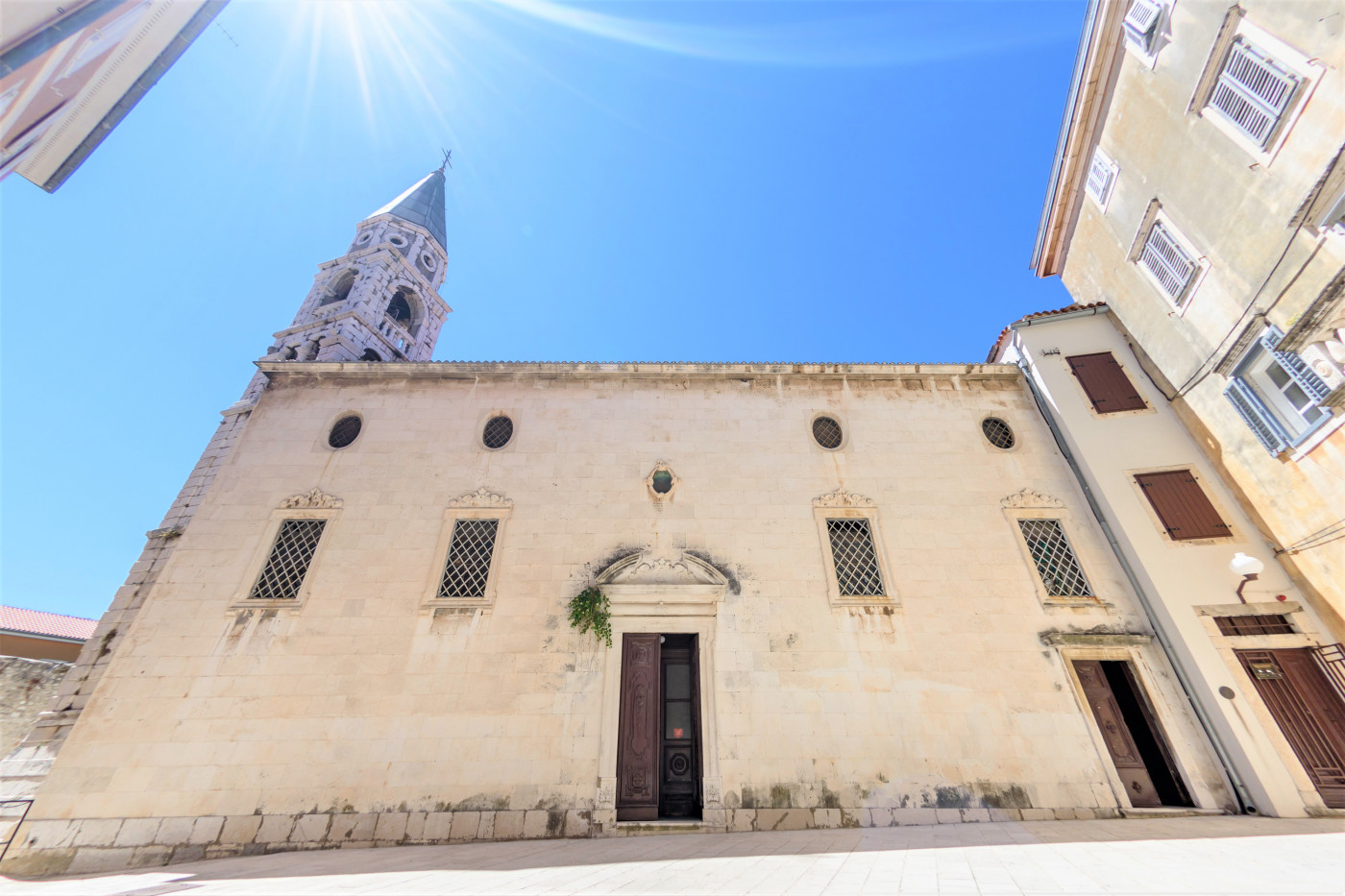
The Church of St Elias the Prophet in Zadar is located on the Roman Capitoline. It was constructed in the 16th century on the spot of the Medieval catholic church of the same name. It was adapted in the 18th century in Late-Baroque style, and it preserves a rich collection of icons dating back from the 16th to the 18th century.

Arsenal
Arsenal
The Arsenal of Zadar dates back to the 16th century. This large port warehouse was expanded in 1752 under the rule of providur (overseer) Jeronim Marija Balbi, to which the inscription on the plaque on the front of the building testifies.
Church of St Simeon
Church of St Simeon
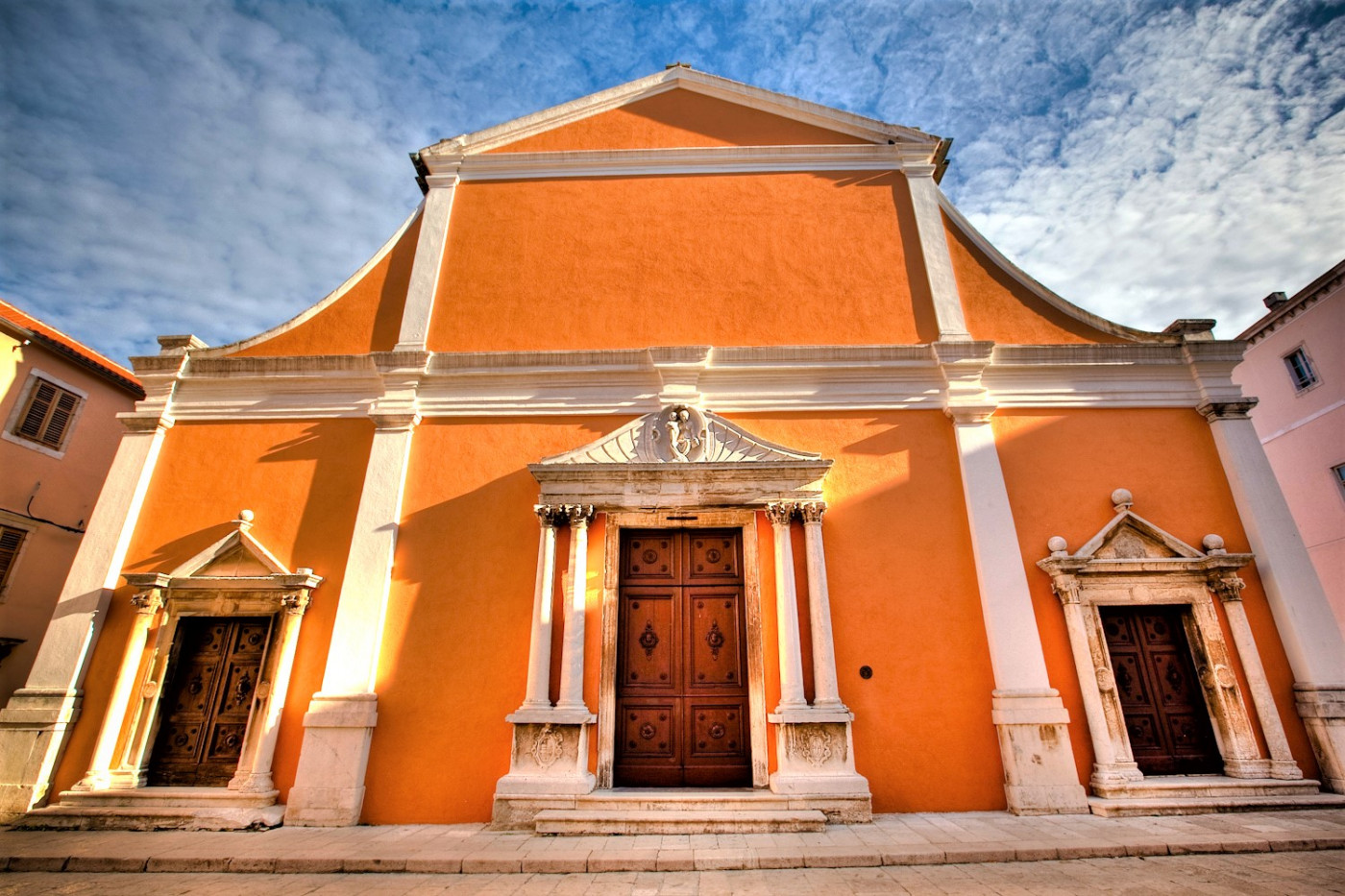
Initially, the Church of St Simeon in Zadar was an Early Christian three-nave basilica, then a Gothic building, and later a monument of provincial Baroque characteristics. On its main Altar there is a silver casket with the relics of St Simeon, dating back to 1380.

Barkajoli, the Rowing Boatmen of Zadar
Barkajoli, the Rowing Boatmen of Zadar
From early morning to late evening, the Barkajoli take passengers and tourists with a little rowing boat across the Zadar peninsula to mainland and back, thus cultivating, according to some daring explorers, a 3,000-year-old tradition.
Zadar Puppet Theatre
Zadar Puppet Theatre
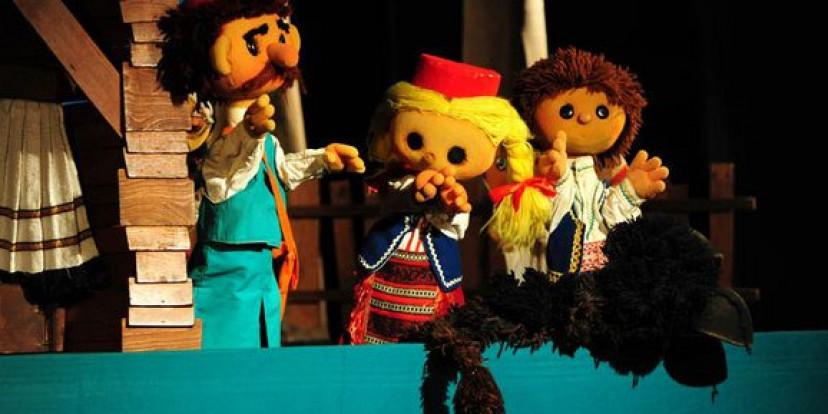
The Zadar Puppet Theatre has left a permanent mark on Croatian puppetry, and it is one of the recognizable Zadar cultural products.

Zadar Sphinx
Zadar Sphinx
The stories about the Zadar Sphinx, and the treasure buried under it, were the inspiration for numerous fantasies by generations of Zadar citizens.
Small Arsenal
Small Arsenal
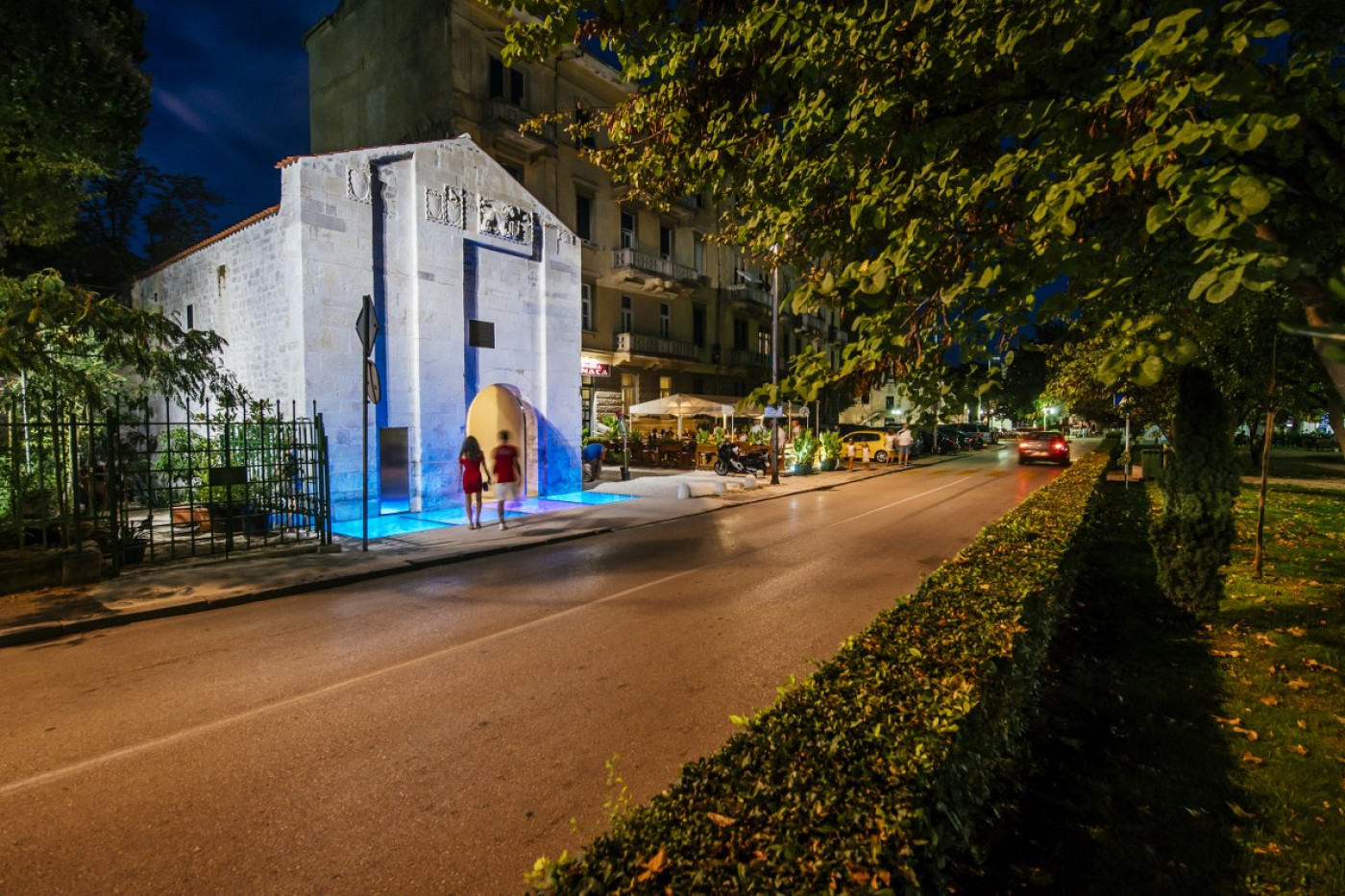
The Small Arsenal in Zadar is a protected monument of culture and a part of the Medieval Castle (Kaštel), a separate structure that has been integrated in the defensive system of the city walls. Only some parts have been preserved, among which is the lower part of the entrance tower that was later transformed into a gunpowder warehouse.
Church and Monastery of St Mary
Church and Monastery of St Mary
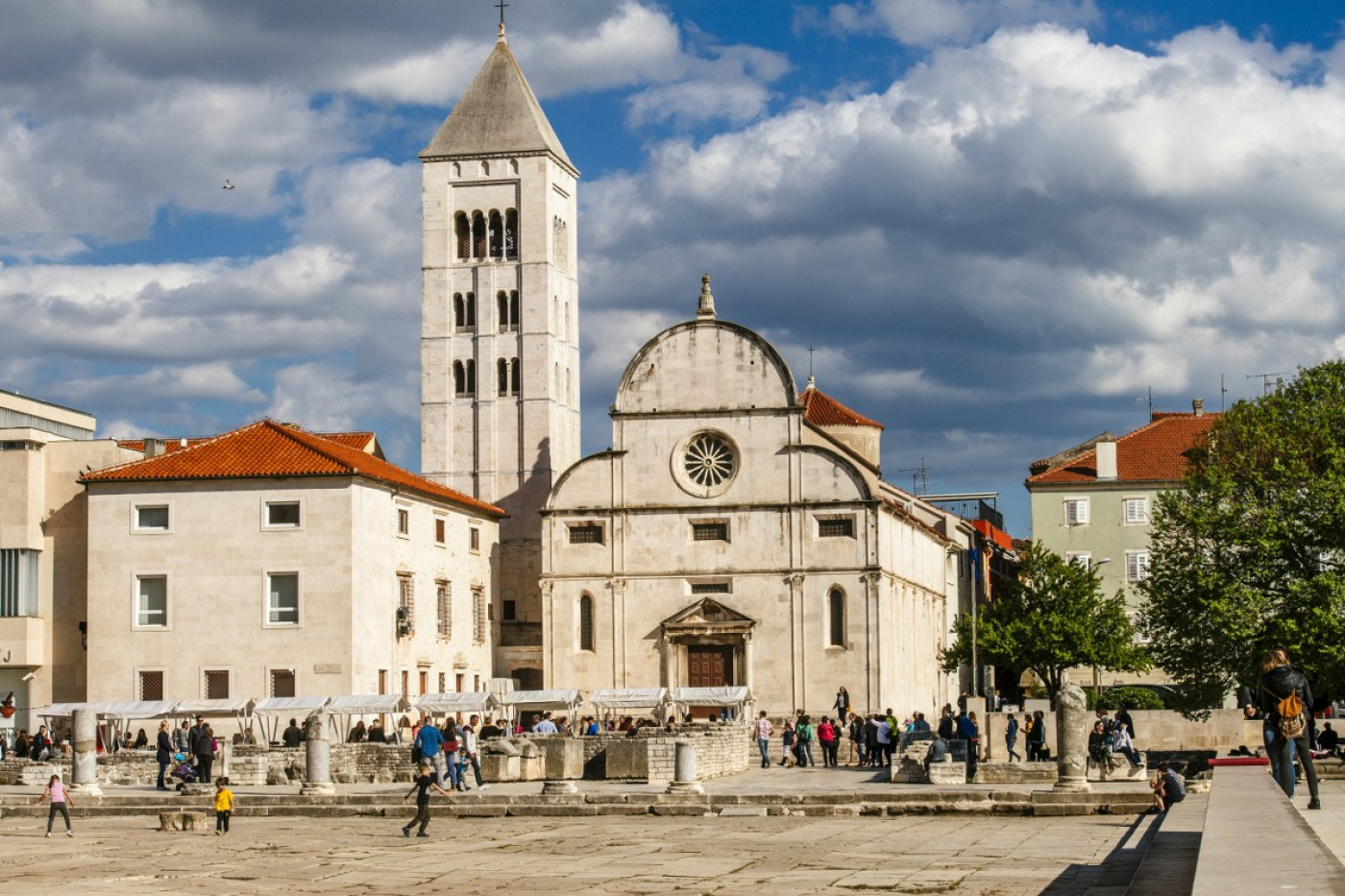
The Monastery of St Mary in Zadar was founded by the Zadar noblewoman Čika in 1066, by her mother, the sister of the Croatian king Peter Krešimir IV, and the big three-nave Church of St Mary was built in 1091 in the Pre-Romanesque style.

Church of St Donat
Church of St Donat
The Church of St Donat in Zadar has long been desacralized, meaning no liturgies are held here, and from the end of the 19th century until 1954 it housed the Zadar Archaeological Museum. As St Donat has exceptional acoustic characteristics, it has been the venue for Renaissance music festivals for decades.

Kalelarga
Kalelarga
From the most ancient times in Zadar, known as Via Magna, Strada Grande or Ruga Magistra, Kalelarga has been the main street of the city. To Zadar citizens it is much more than that. It is the main urban artery, a cult space and the symbol of the city, to which the most beautiful memories are associated.

University of Zadar and the Chapel of St Demetrius
University of Zadar and the Chapel of St Demetrius
The impressive building of the University of Zadar on the seafront was built at the beginning of the 20th century in Neoclassicist style for the needs of the former Lyceum of St Demetrius. The first University in Zadar was founded way back in 1396, and it was re-established in 2002.
.