
Attractions
Attractions
Zadar is both, an atmospheric time machine and an open-air museum. Here on display, you will find some of the most beautiful monuments of architecture and cultural heritage of the eastern Adriatic coast. Its city walls are the ancient guardians of this still vibrant historic museum in the open, end they were rightly added to UNESCO's World Heritage List.
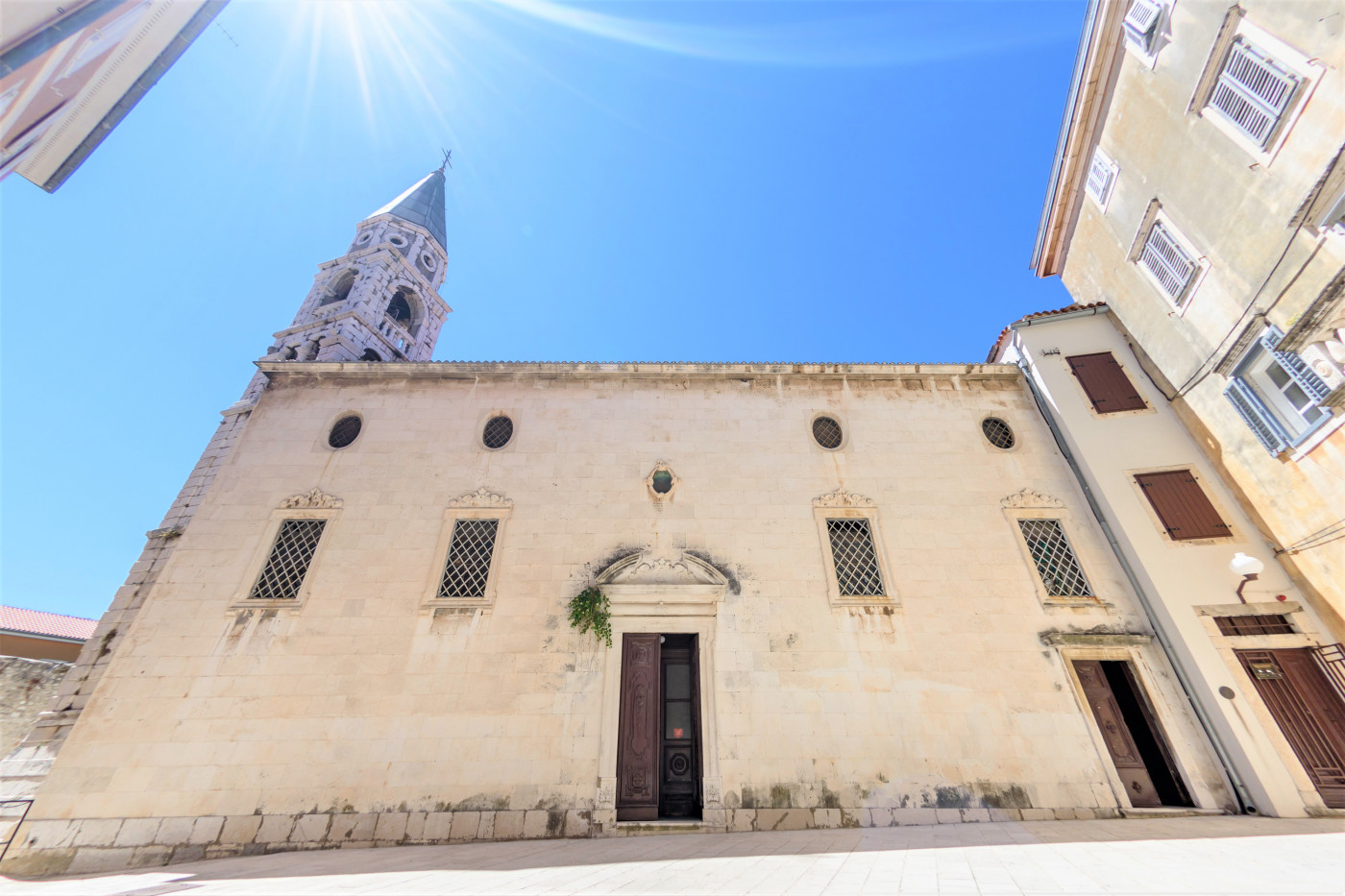
Church of St Elias the Prophet
Church of St Elias the Prophet
The Church of St Elias the Prophet in Zadar is located on the Roman Capitoline. It was constructed in the 16th century on the spot of the Medieval catholic church of the same name. It was adapted in the 18th century in Late-Baroque style, and it preserves a rich collection of icons dating back from the 16th to the 18th century.

Zadar Seafront - Riva
Zadar Seafront - Riva
The Zadar seafront called Riva, is a place of meeting, gathering and happenings, as well as a place for pleasant strolls with the view over the Ugljan and Pašman islands, and the endless open sea to the northwest. It is embellished by magnificent palm trees, ancient holm oaks and other lush vegetation.
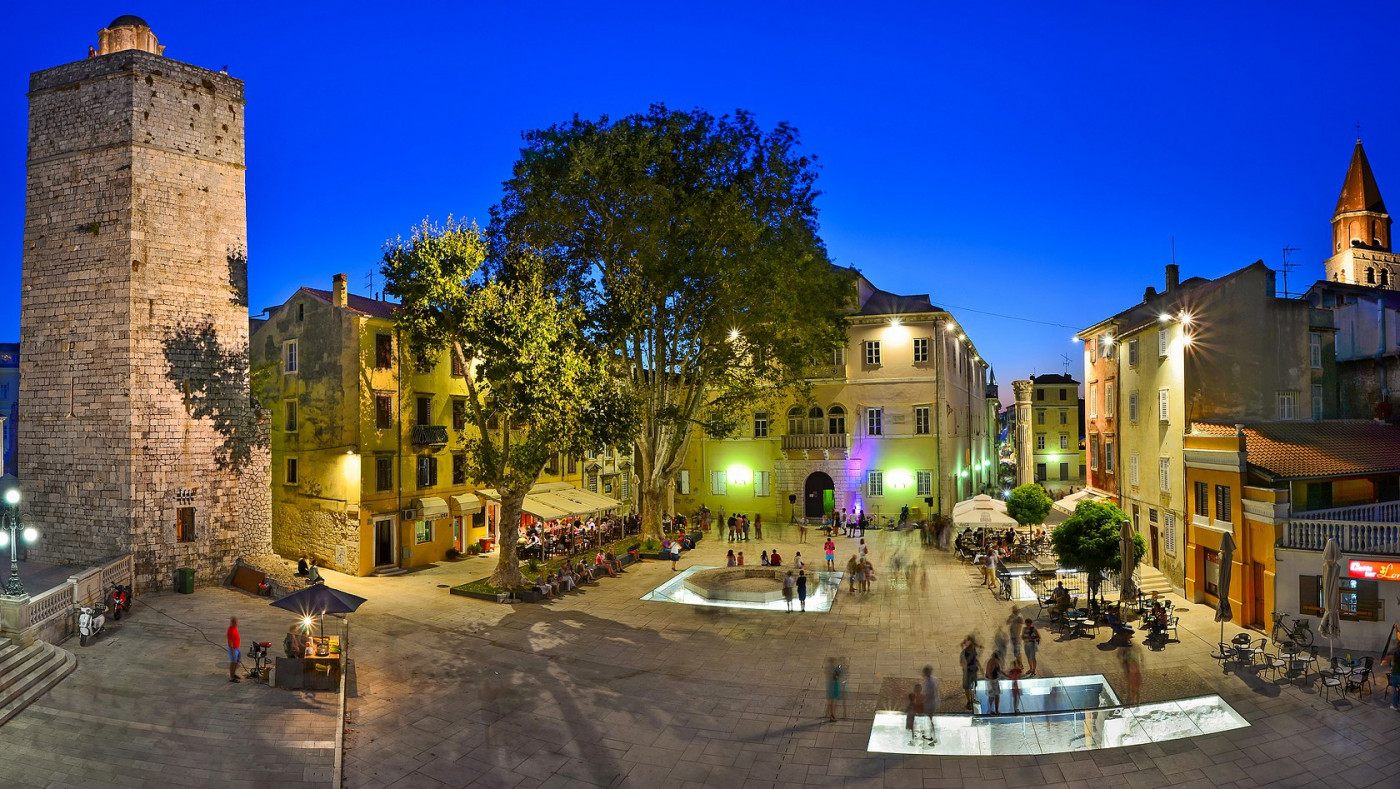
Petar Zoranić Square
Petar Zoranić Square
The Petar Zoranić Square in Zadar carries the name of the famous Renaissance poet and novelist. You can reach the Square coming from different directions; streets, alleys and squares. Today, the Petar Zoranić Square is a place of gathering, amusement, and the location for the biggest city happenings and events.

Zadar City Walls - UNESCO World Heritage Site
Zadar City Walls - UNESCO World Heritage Site

Forum
Forum
The Forum in Zadar was built by the first Roman Emperor Gaius Julius Caesar Octavian, as witnessed by the stone inscriptions dating back to the 3rd century, when the construction finished. It was once enclosed by a portico with galleries on the first floor, and under the portico there used to be shops and stalls.
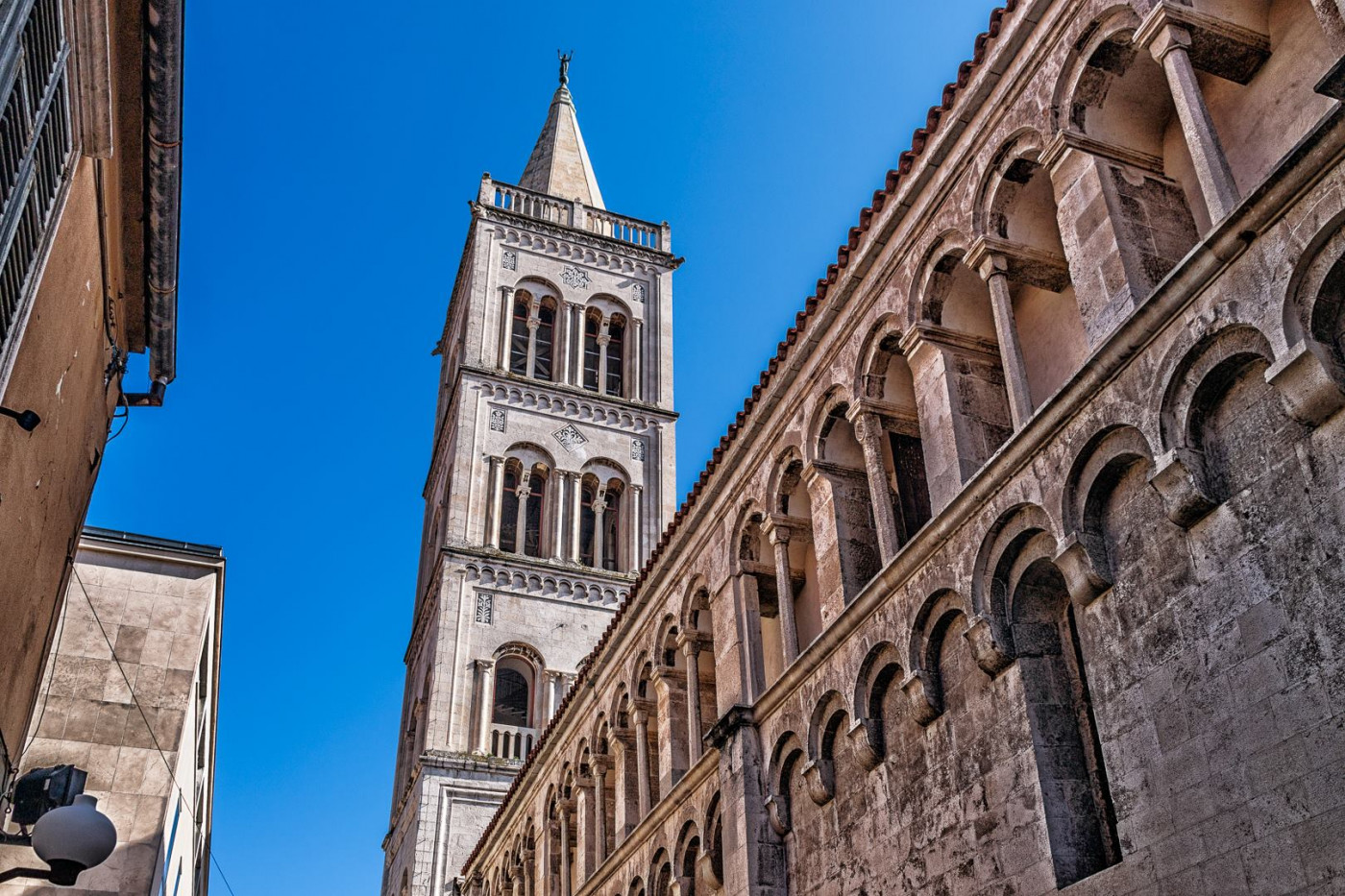
Churches
Churches
When the legendary traveller, Jason, founded Zadar with his Argonauts, according to a Zadar poet, it just might be that the original ground stone built in its foundation was a sanctuary. On a small space, during a long period, churches have been built one upon the other older, as evidence of continuity of the spiritual life of its citizens.

Stomorica Church
Stomorica Church
The floor plan of the Stomorica Church in Zadar resembles a key, and according to tradition, it symbolizes St Peter's keys. Today only the base of that hexafoil Pre-Romanesque church, which was once dedicated to St Ursula, is preserved.

A 3D Sculptural Representation of the Historical City Centre of Zadar
A 3D Sculptural Representation of the Historical City Centre of Zadar
Every now and then, strolling along the famous Zadar city walls, which the people of Zadar call Muraj, uncovers some new surprises. New ways of interpreting our city are emerging in a quiet manner. Why is that? Because Zadar has a lot to say.

Cathedral of St Anastasia
Cathedral of St Anastasia
The Cathedral of St Anastasia is a monumental Romanesque building, and it carries the name of the Sirmian martyr, to whom two popes bowed down; Alexander the III, who visited her tomb, and Pope John Paul II, who bowed down in 2003 in front of the main gate of the Cathedral.

Kalelarga
Kalelarga
From the most ancient times in Zadar, known as Via Magna, Strada Grande or Ruga Magistra, Kalelarga has been the main street of the city. To Zadar citizens it is much more than that. It is the main urban artery, a cult space and the symbol of the city, to which the most beautiful memories are associated.
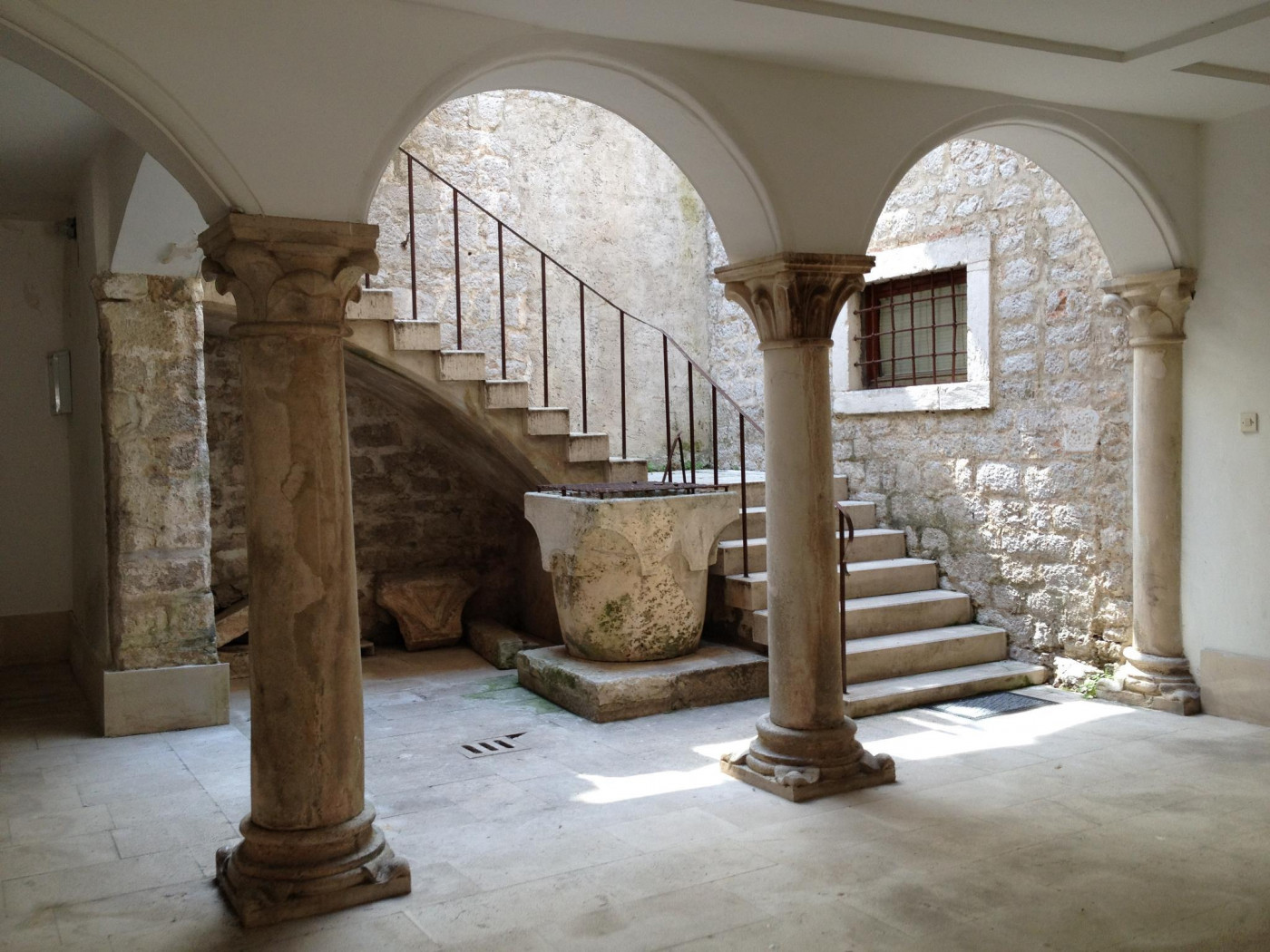
Palaces
Palaces
Zadar is a city of palaces. The three-thousand-year-old past of the city is interwoven in its Mediterranean and European urban identity. The face of Zadar is represented by small and bigger squares, narrow streets, ancient churches and monumental memories from the past, as well as luxurious palaces from the Middle Ages and later periods, that are quietly leaning on the remains of Roman and Late-Antique buildings.
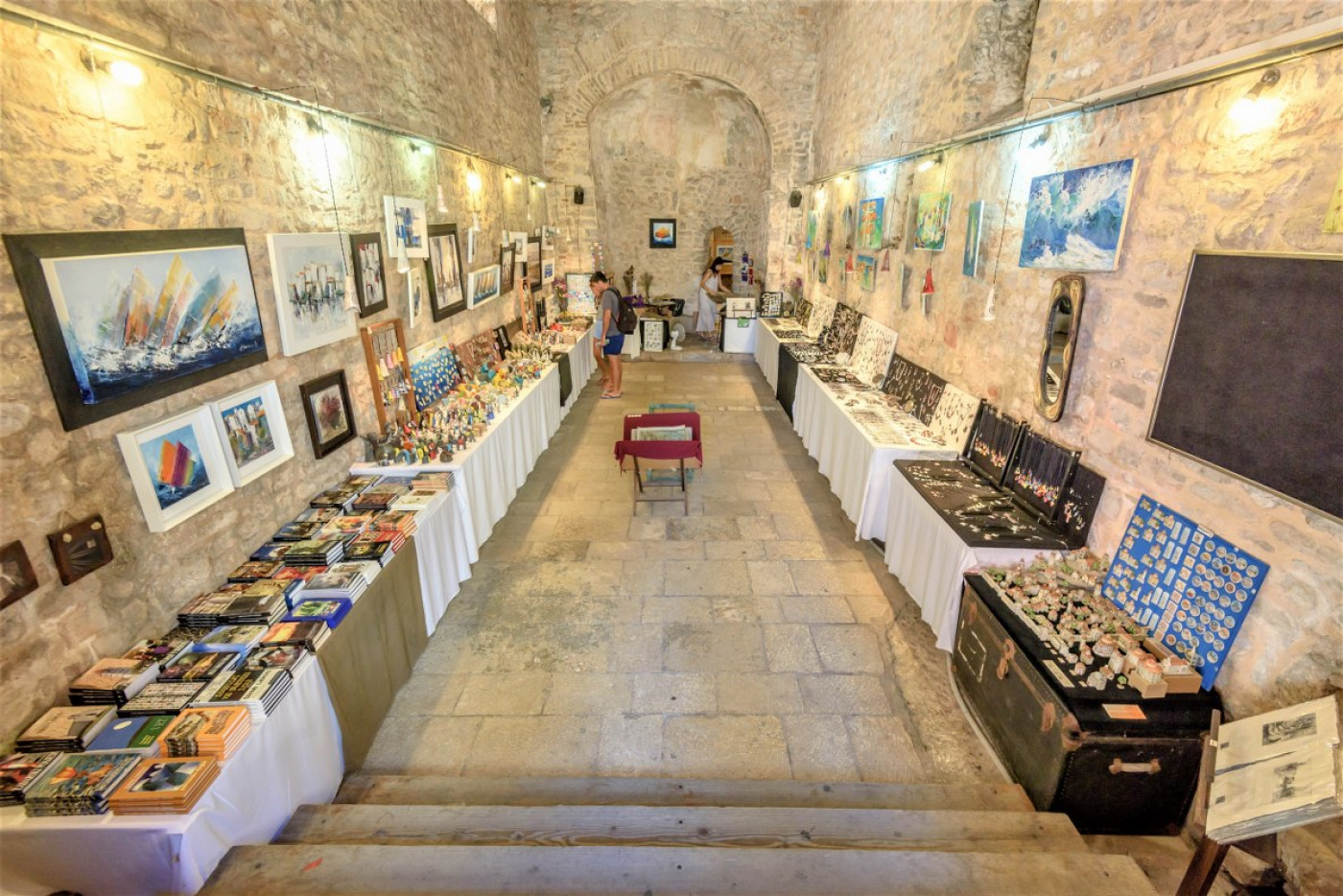
Church of St Andrew and St Peter the Elder
Church of St Andrew and St Peter the Elder
The Church of St Andrew and St Peter the Elder in Zadar is an example of a double church, located near the city market, and functioning as two connected little churches. The southern side wall and the apse of the Church of St Andrew date back to the 5th century, while the Church of St Peter was built on the spot of former Roman buildings.
.