

Attractions
Attractions
Zadar is both, an atmospheric time machine and an open-air museum. Here on display, you will find some of the most beautiful monuments of architecture and cultural heritage of the eastern Adriatic coast. Its city walls are the ancient guardians of this still vibrant historic museum in the open, end they were rightly added to UNESCO's World Heritage List.

Historic District of Varoš
Historic District of Varoš
If Kalelarga has been the most important Zadar street and bloodstream of the city since antiquity, the historic district of Varoš is a symbol of a new Zadar. Its narrow streets are imbued with a life atmosphere that radiates comfort and moves slowly through the morning. Scenes of everyday ritual meetings and socializing, endless chit-chat (ćakula) and feasts take place in Varoš. Varoš is an exhibition space of a living city.

Stomorica Church
Stomorica Church
The floor plan of the Stomorica Church in Zadar resembles a key, and according to tradition, it symbolizes St Peter's keys. Today only the base of that hexafoil Pre-Romanesque church, which was once dedicated to St Ursula, is preserved.

Zadar Seafront - Riva
Zadar Seafront - Riva
The Zadar seafront called Riva, is a place of meeting, gathering and happenings, as well as a place for pleasant strolls with the view over the Ugljan and Pašman islands, and the endless open sea to the northwest. It is embellished by magnificent palm trees, ancient holm oaks and other lush vegetation.
Squares
Squares
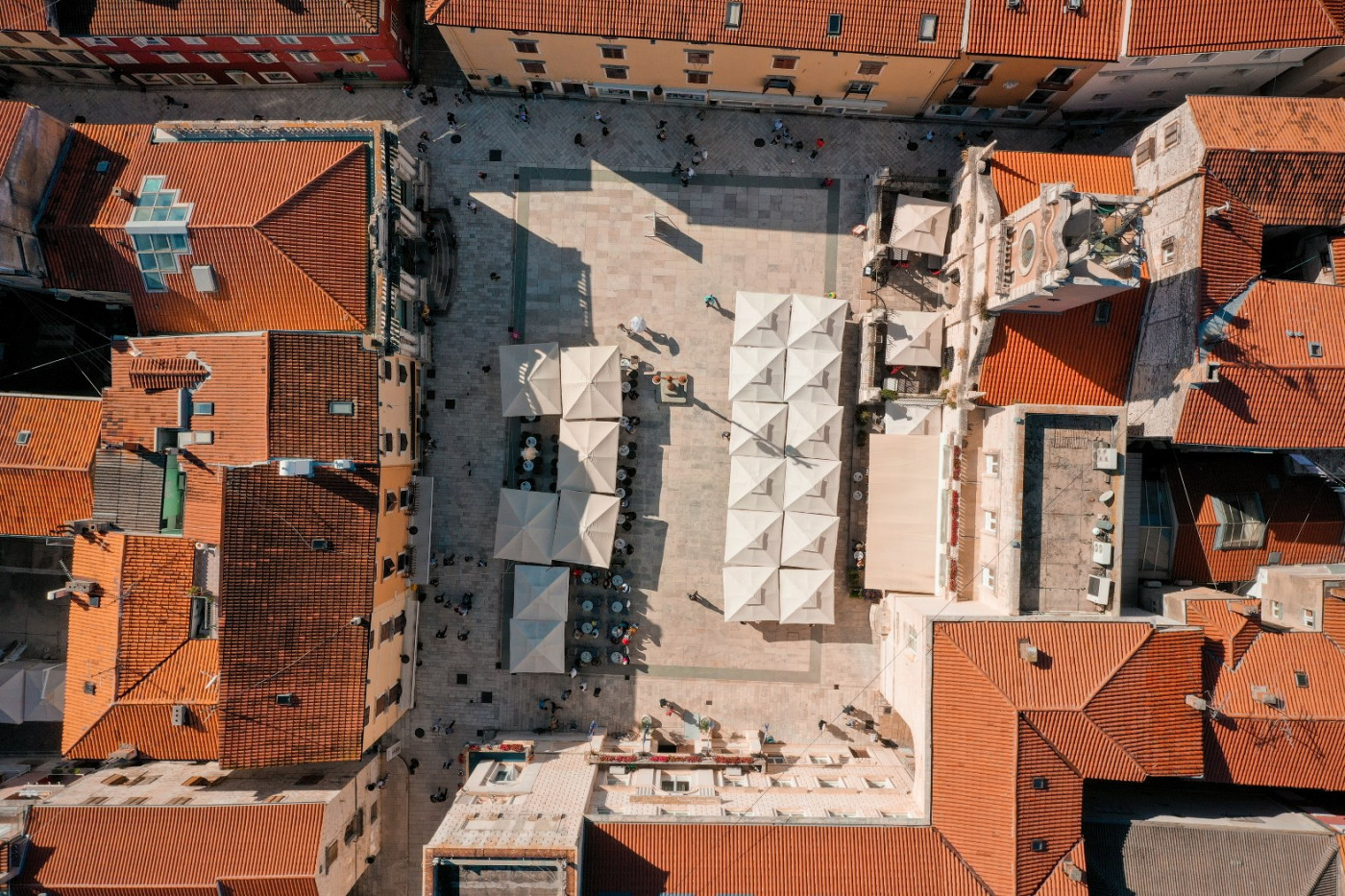
The fragments and traces from the past reveal Zadar’s antiquity, whereas its dynamic squares demonstrate the urban identity of the city and its authentic connections to the Mediterranean and European culture. Zadar is a city of squares, where everything happens and everything gets disclosed.

University of Zadar and the Chapel of St Demetrius
University of Zadar and the Chapel of St Demetrius
The impressive building of the University of Zadar on the seafront was built at the beginning of the 20th century in Neoclassicist style for the needs of the former Lyceum of St Demetrius. The first University in Zadar was founded way back in 1396, and it was re-established in 2002.

Zadar Sphinx
Zadar Sphinx
The stories about the Zadar Sphinx, and the treasure buried under it, were the inspiration for numerous fantasies by generations of Zadar citizens.
Palaces
Palaces
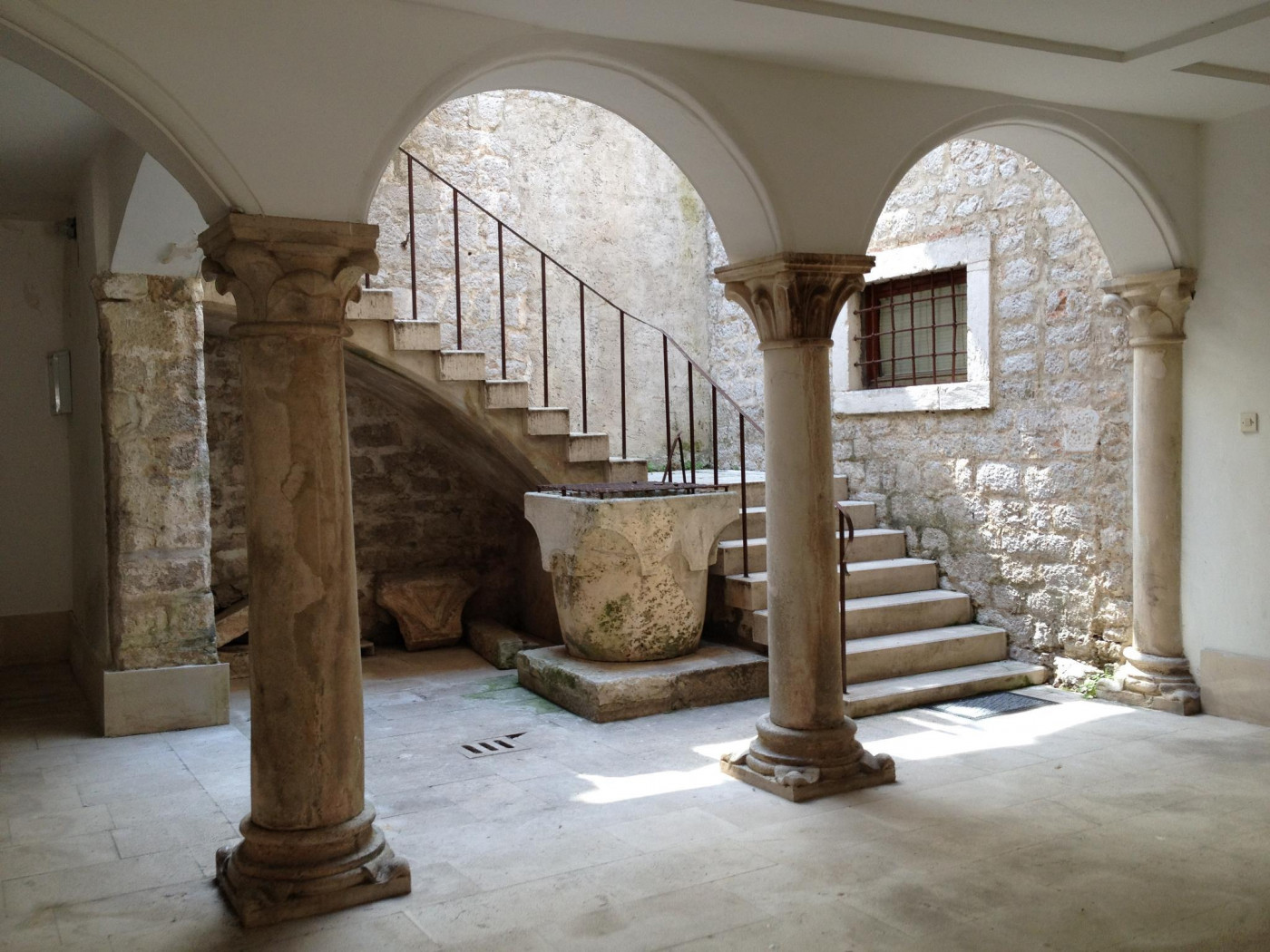
Zadar is a city of palaces. The three-thousand-year-old past of the city is interwoven in its Mediterranean and European urban identity. The face of Zadar is represented by small and bigger squares, narrow streets, ancient churches and monumental memories from the past, as well as luxurious palaces from the Middle Ages and later periods, that are quietly leaning on the remains of Roman and Late-Antique buildings.
Parks
Parks
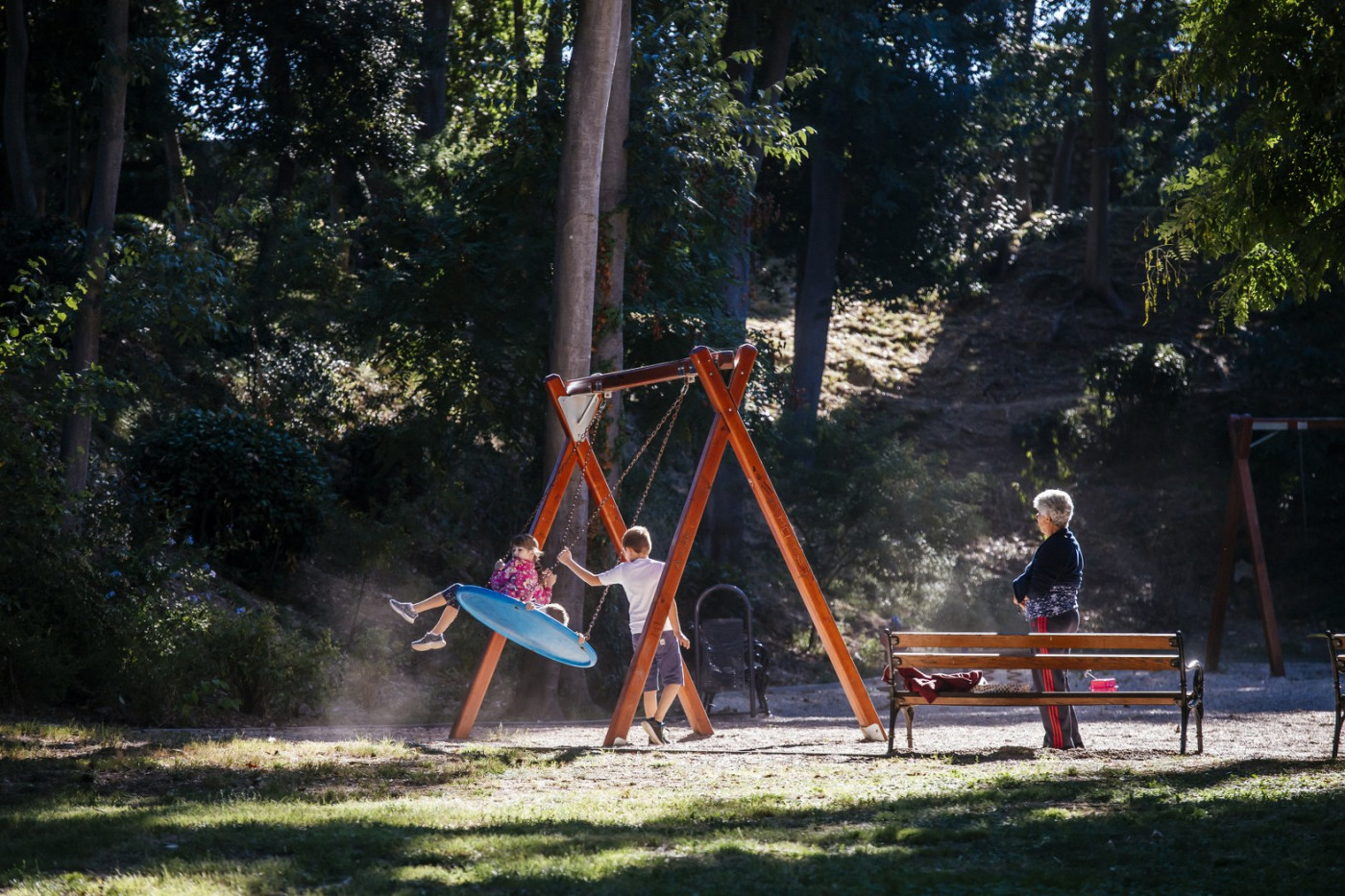
The essence of Zadar lies in its ancient stone face, mottled with green abundance and historical parks. The surroundings enrich the city with natural beauties, its history provided it with landmarks, and its parks demonstrate the city’s urbanity and nobility.

People's Square
People's Square
Everything that has ever mattered in Zadar, since the Medieval period, happened or was heard of at the People's Square. It is the centre of urban life, a source that sucks you in with its energy and beauty, and then entrusts the passers-by to some other urban sensations.

Zadar Puppet Theatre
Zadar Puppet Theatre
The Zadar Puppet Theatre has left a permanent mark on Croatian puppetry, and it is one of the recognizable Zadar cultural products.

Arsenal
Arsenal
The Arsenal of Zadar dates back to the 16th century. This large port warehouse was expanded in 1752 under the rule of providur (overseer) Jeronim Marija Balbi, to which the inscription on the plaque on the front of the building testifies.
Church and Monastery of St Dominic
Church and Monastery of St Dominic
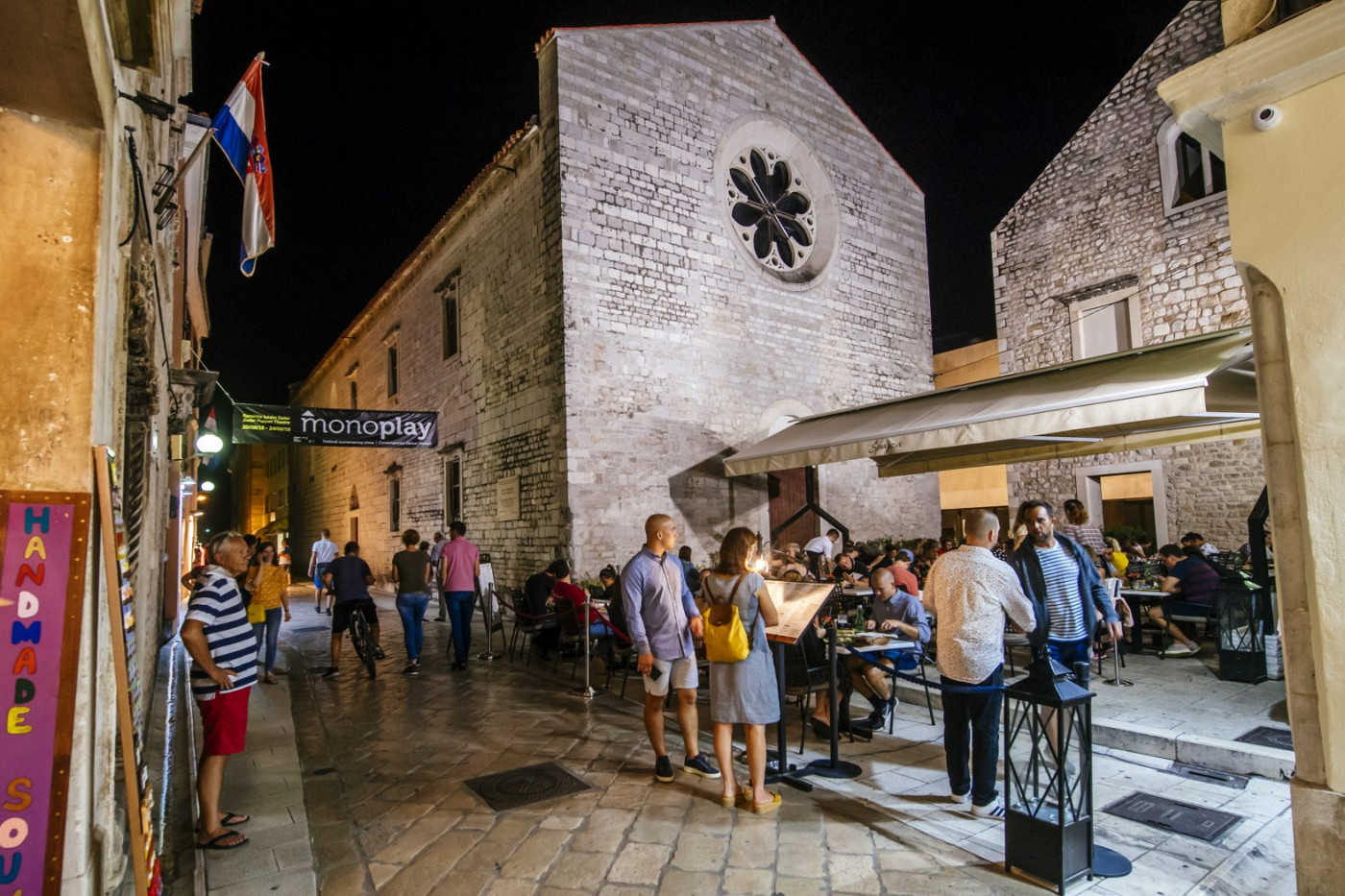
The Gothic Church of St Dominic in Zadar is located on the west side of the Land Gate, right across the Nassis Palace and the complex of the Proveditor's Palace. In 1396 the first Croatian university started operating as part of the Dominican Monastery.
.