

 Hrvatski
 Italiano
 Deutsch
 Français
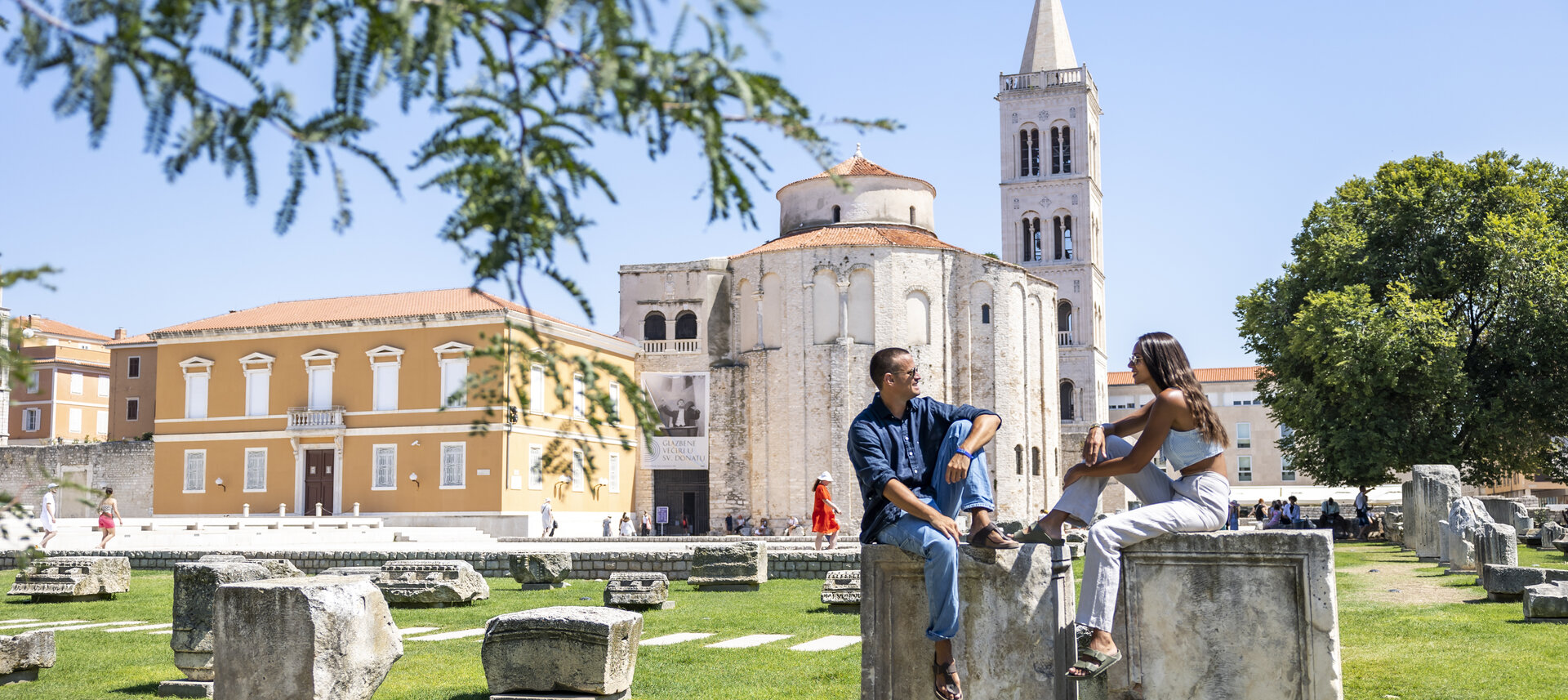
Attractions
Attractions
Zadar is both, an atmospheric time machine and an open-air museum. Here on display, you will find some of the most beautiful monuments of architecture and cultural heritage of the eastern Adriatic coast. Its city walls are the ancient guardians of this still vibrant historic museum in the open, end they were rightly added to UNESCO's World Heritage List.

A 3D Sculptural Representation of the Historical City Centre of Zadar
Read moreEvery now and then, strolling along the famous Zadar city walls, which the people of Zadar call Muraj, uncovers some new surprises. New ways of interpreting our city are emerging in a quiet manner. Why is that? Because Zadar has a lot to say.
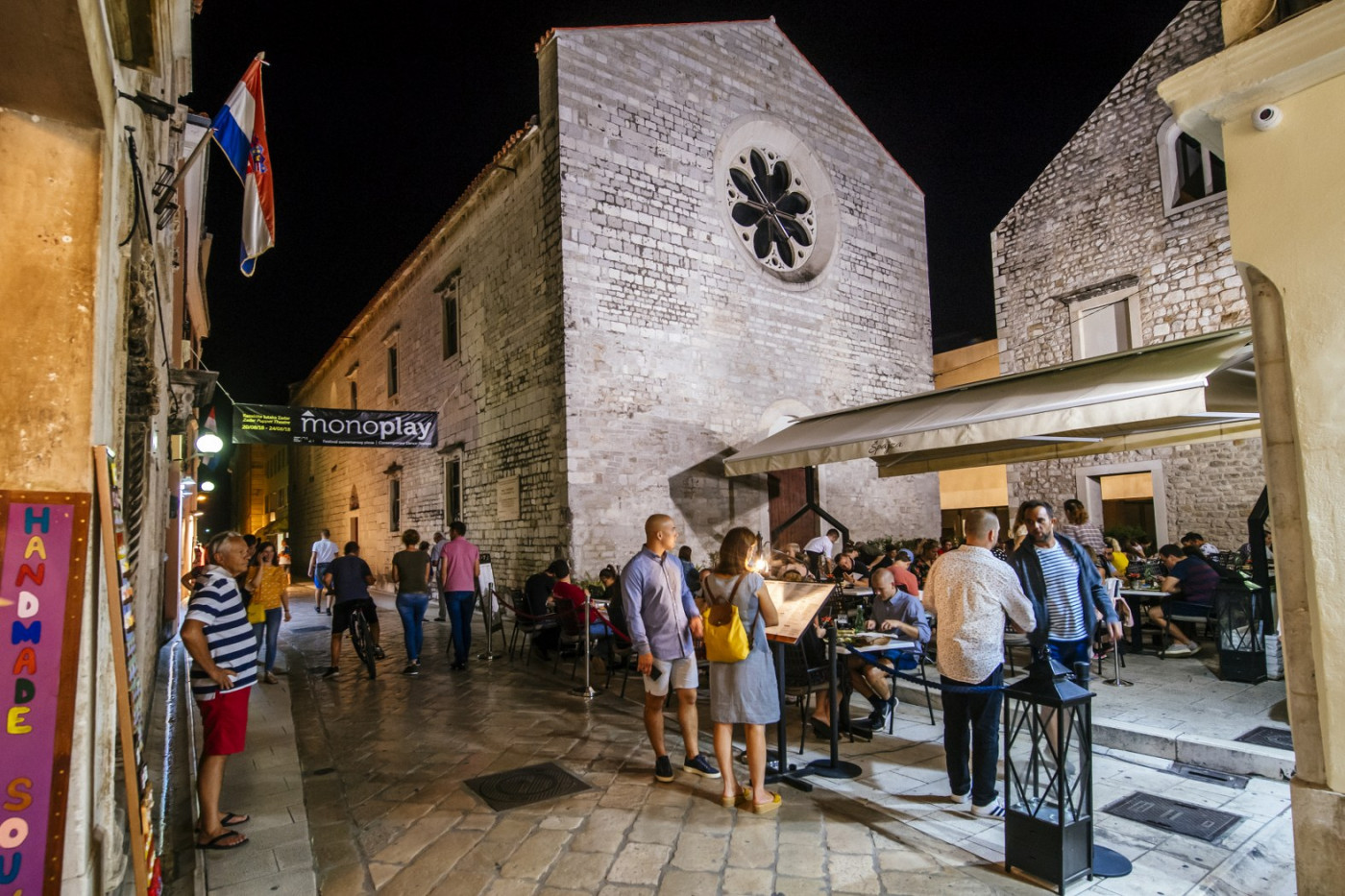
Church and Monastery of St Dominic
Read moreThe Gothic Church of St Dominic in Zadar is located on the west side of the Land Gate, right across the Nassis Palace and the complex of the Proveditor's Palace. In 1396 the first Croatian university started operating as part of the Dominican Monastery.
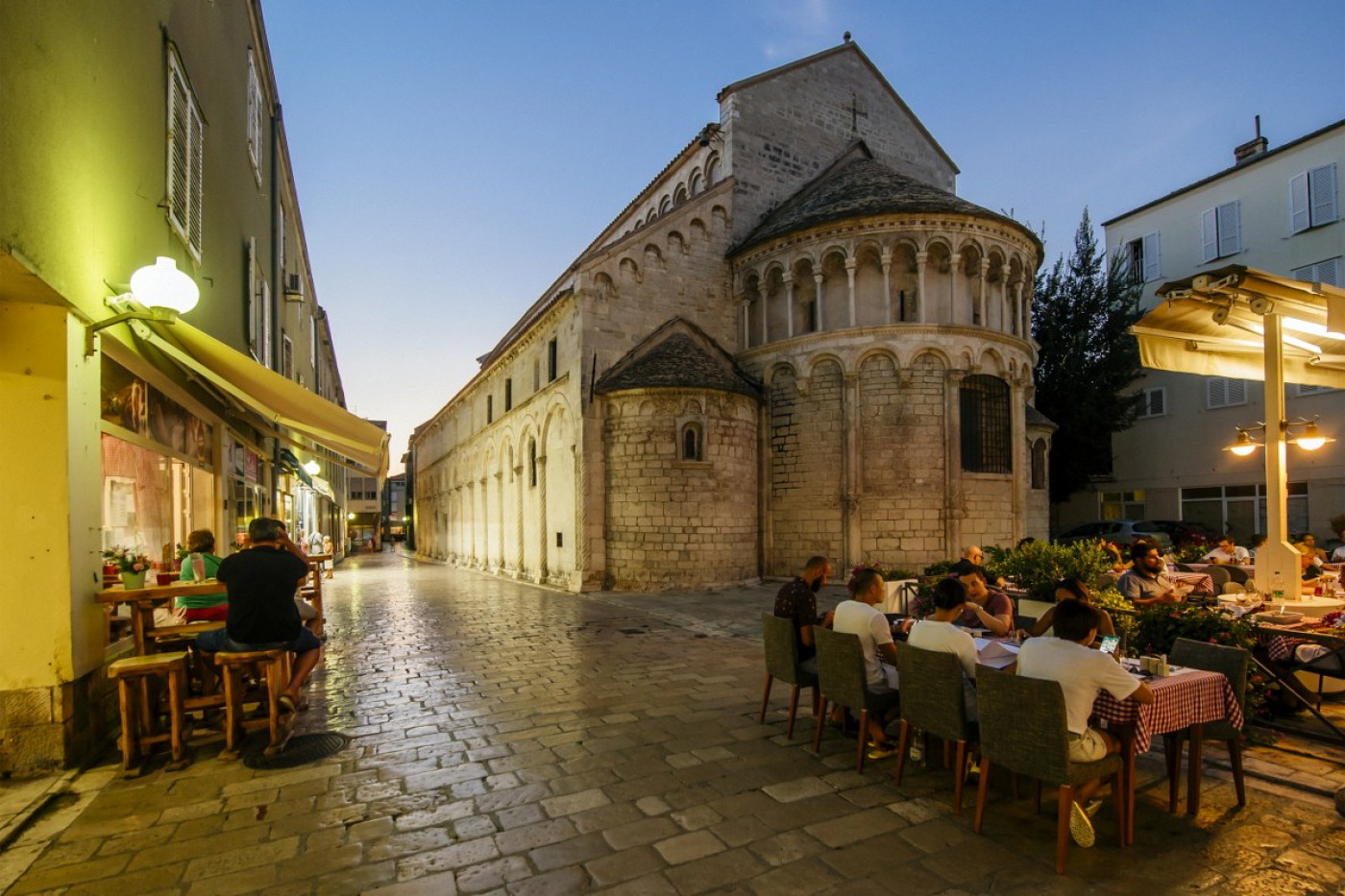
Church of St Chrysogonus
Read moreThe Romanesque Church of St Chrysogonus got its name after one of the patron saints of Zadar, and it was consecrated by Zadar bishop Lampridius in 1175. It was built on the site of the Roman emporium and the Church of St Anthony the Hermit from the 6th century.
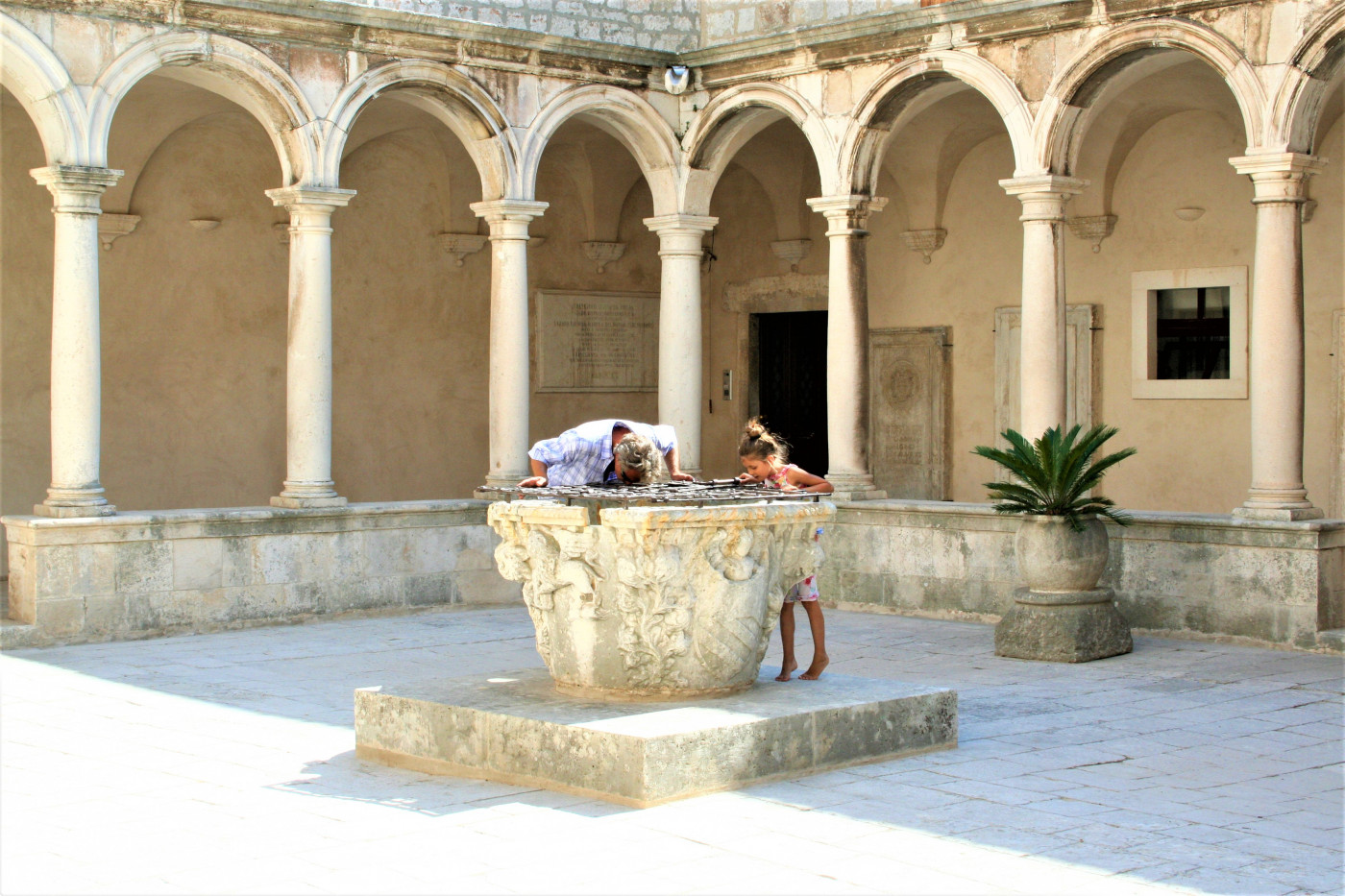
Church and Monastery of St Francis
Read moreThe Church and the Monastery of St Francis in Zadar, from 1283, is the oldest Dalmatian church built in Gothic style. In 1358 the Zadar Peace Treaty was signed between the Republic of Venice and the Hungarian-Croatian king Louis I in its Sacristy.

Kalelarga
Read moreFrom the most ancient times in Zadar, known as Via Magna, Strada Grande or Ruga Magistra, Kalelarga has been the main street of the city. To Zadar citizens it is much more than that. It is the main urban artery, a cult space and the symbol of the city, to which the most beautiful memories are associated.

Cathedral of St Anastasia
Read moreThe Cathedral of St Anastasia is a monumental Romanesque building, and it carries the name of the Sirmian martyr, to whom two popes bowed down; Alexander the III, who visited her tomb, and Pope John Paul II, who bowed down in 2003 in front of the main gate of the Cathedral.

Zadar Seafront - Riva
Read moreThe Zadar seafront called Riva, is a place of meeting, gathering and happenings, as well as a place for pleasant strolls with the view over the Ugljan and Pašman islands, and the endless open sea to the northwest. It is embellished by magnificent palm trees, ancient holm oaks and other lush vegetation.

Sea Organ
Read moreZadar is a proud owner of a unique blend of architecture and music, the world-famous Sea Organ, which is located right next to another modern installation, the Greeting to the Sun. The sounds that the Sea Organ produces are a result of the release of sea energy, or rather waves and tides.
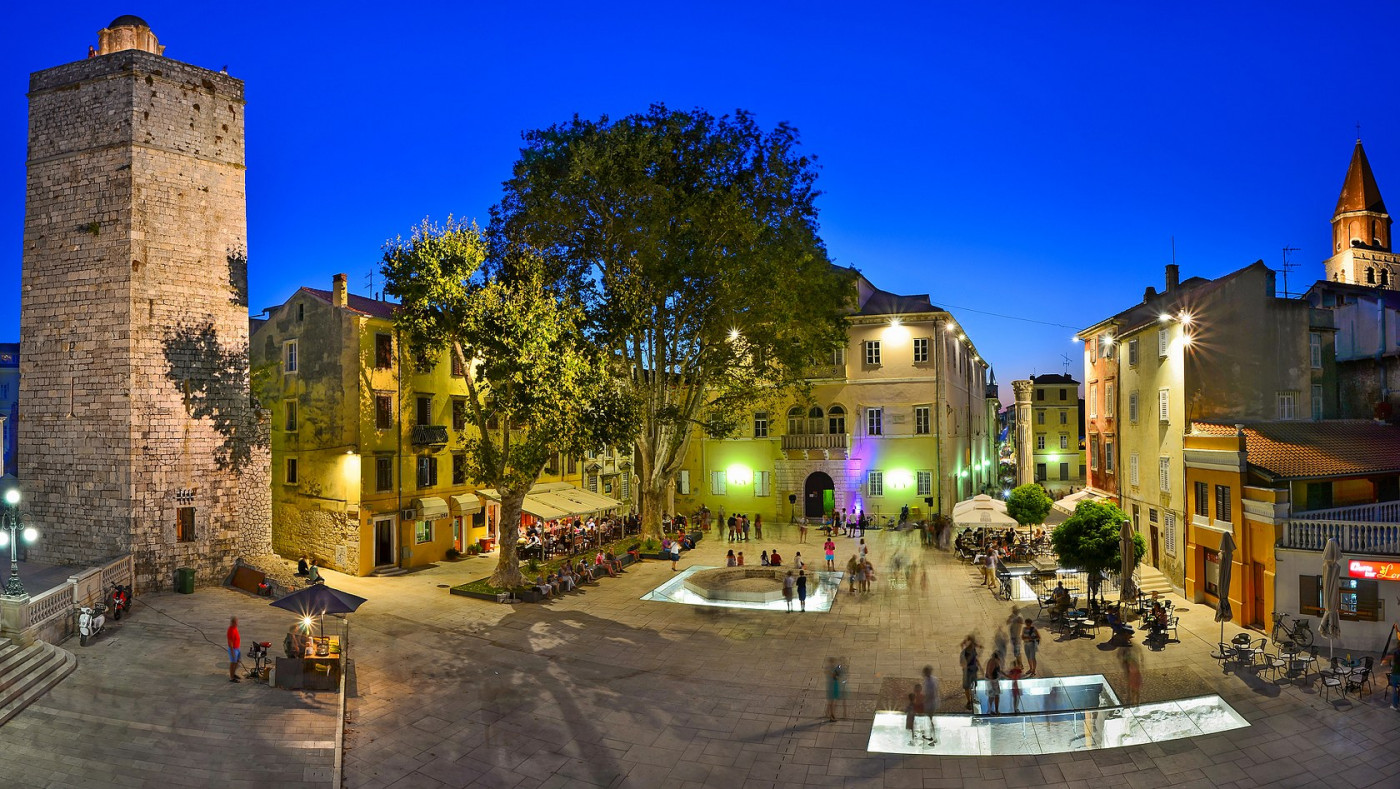
Petar Zoranić Square
Read moreThe Petar Zoranić Square in Zadar carries the name of the famous Renaissance poet and novelist. You can reach the Square coming from different directions; streets, alleys and squares. Today, the Petar Zoranić Square is a place of gathering, amusement, and the location for the biggest city happenings and events.
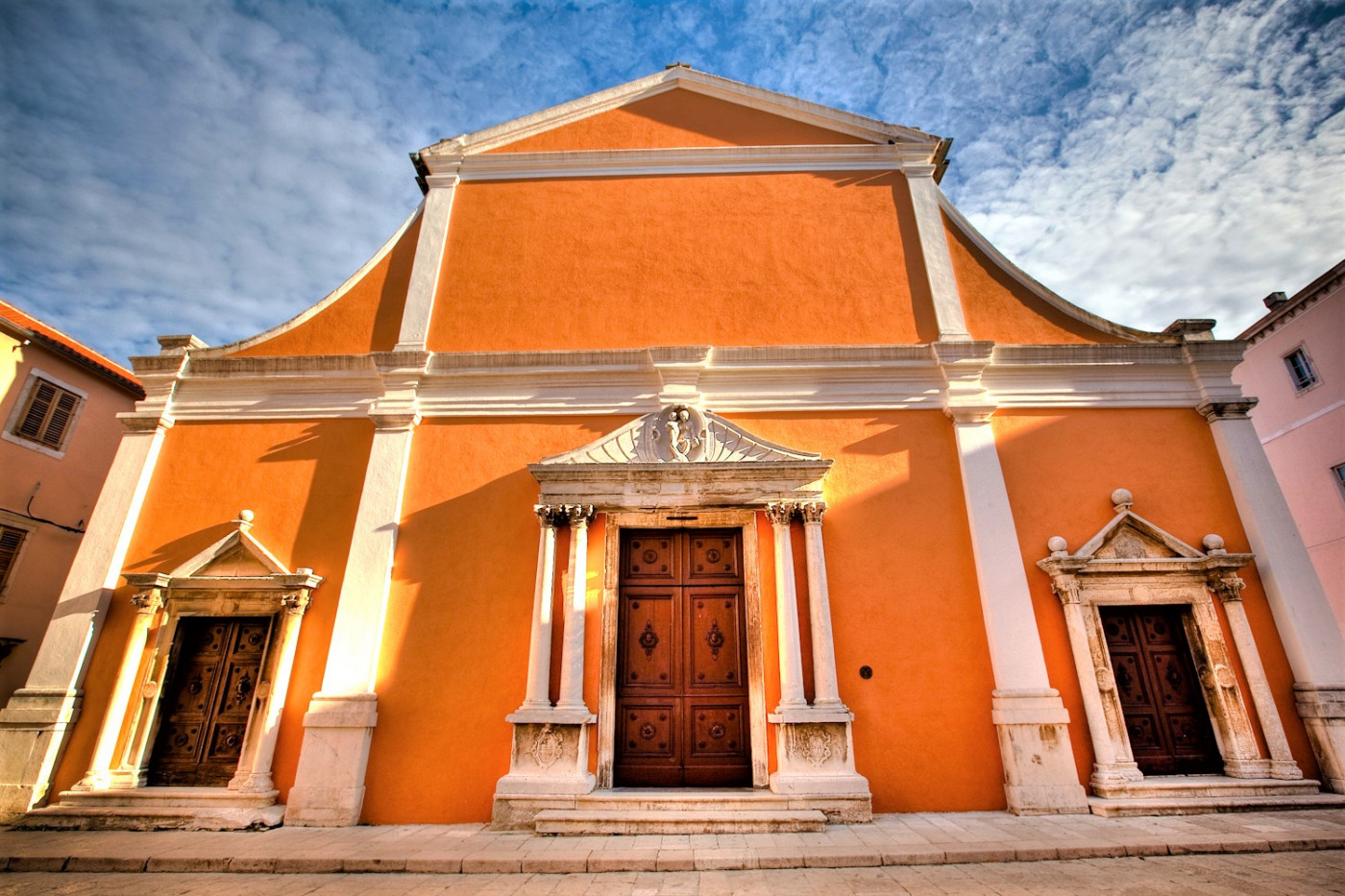
Church of St Simeon
Read moreInitially, the Church of St Simeon in Zadar was an Early Christian three-nave basilica, then a Gothic building, and later a monument of provincial Baroque characteristics. On its main Altar there is a silver casket with the relics of St Simeon, dating back to 1380.

People's Square
Read moreEverything that has ever mattered in Zadar, since the Medieval period, happened or was heard of at the People's Square. It is the centre of urban life, a source that sucks you in with its energy and beauty, and then entrusts the passers-by to some other urban sensations.
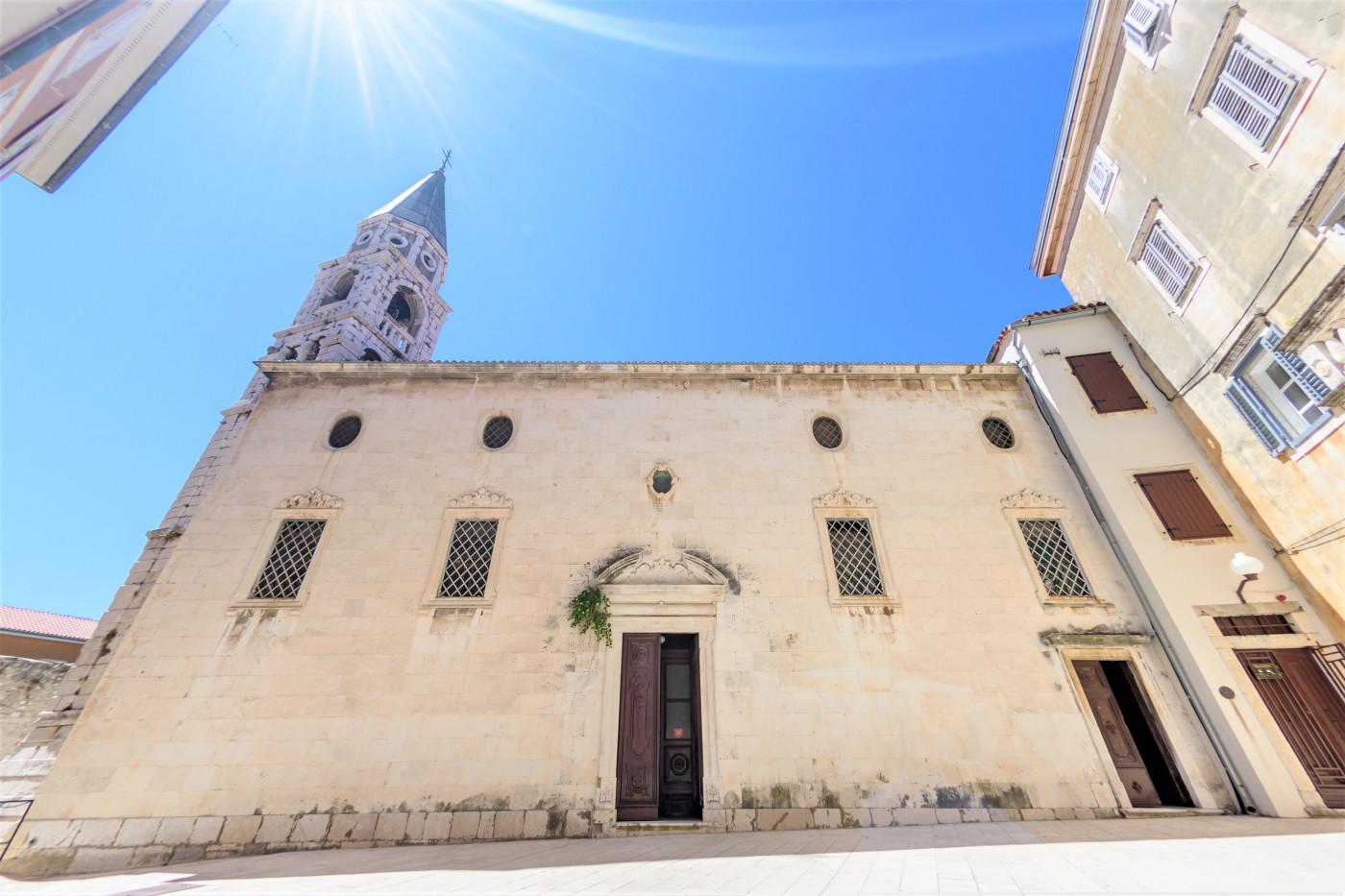
Church of St Elias the Prophet
Read moreThe Church of St Elias the Prophet in Zadar is located on the Roman Capitoline. It was constructed in the 16th century on the spot of the Medieval catholic church of the same name. It was adapted in the 18th century in Late-Baroque style, and it preserves a rich collection of icons dating back from the 16th to the 18th century.