

 Hrvatski
 Italiano
 Deutsch
 Français
Attractions
Attractions
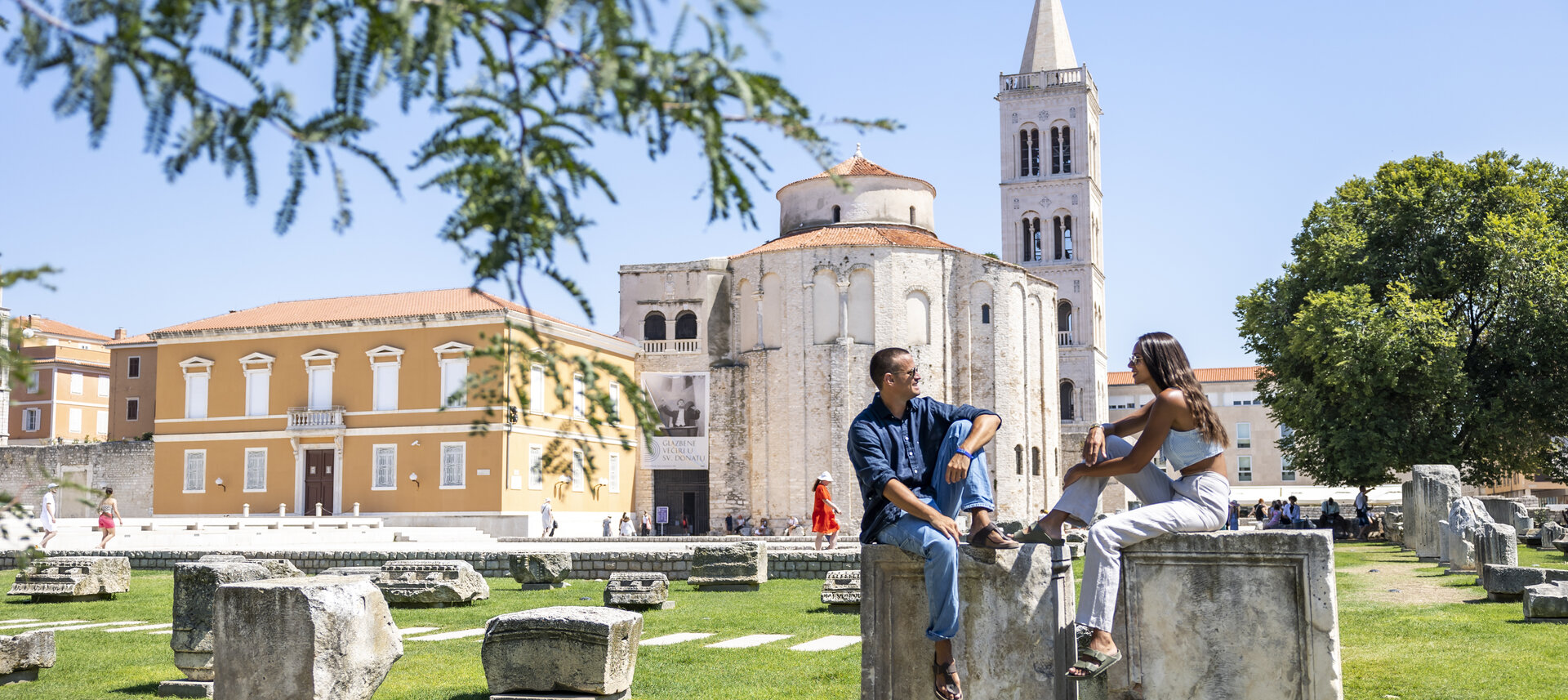
Zadar is both, an atmospheric time machine and an open-air museum. Here on display, you will find some of the most beautiful monuments of architecture and cultural heritage of the eastern Adriatic coast. Its city walls are the ancient guardians of this still vibrant historic museum in the open, end they were rightly added to UNESCO's World Heritage List.
Palaces
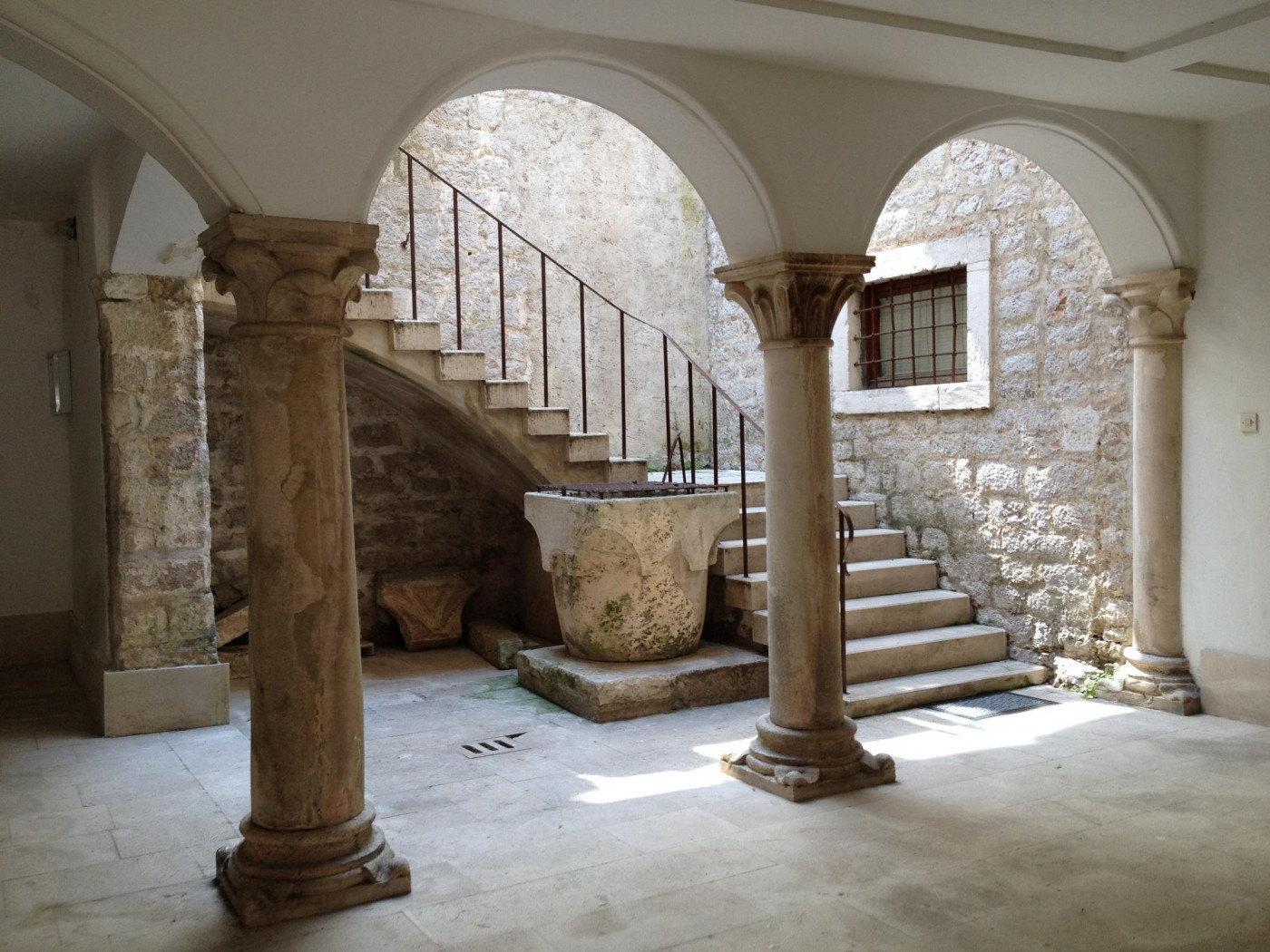
Read moreZadar is a city of palaces. The three-thousand-year-old past of the city is interwoven in its Mediterranean and European urban identity. The face of Zadar is represented by small and bigger squares, narrow streets, ancient churches and monumental memories from the past, as well as luxurious palaces from the Middle Ages and later periods, that are quietly leaning on the remains of Roman and Late-Antique buildings.
Church of St Simeon
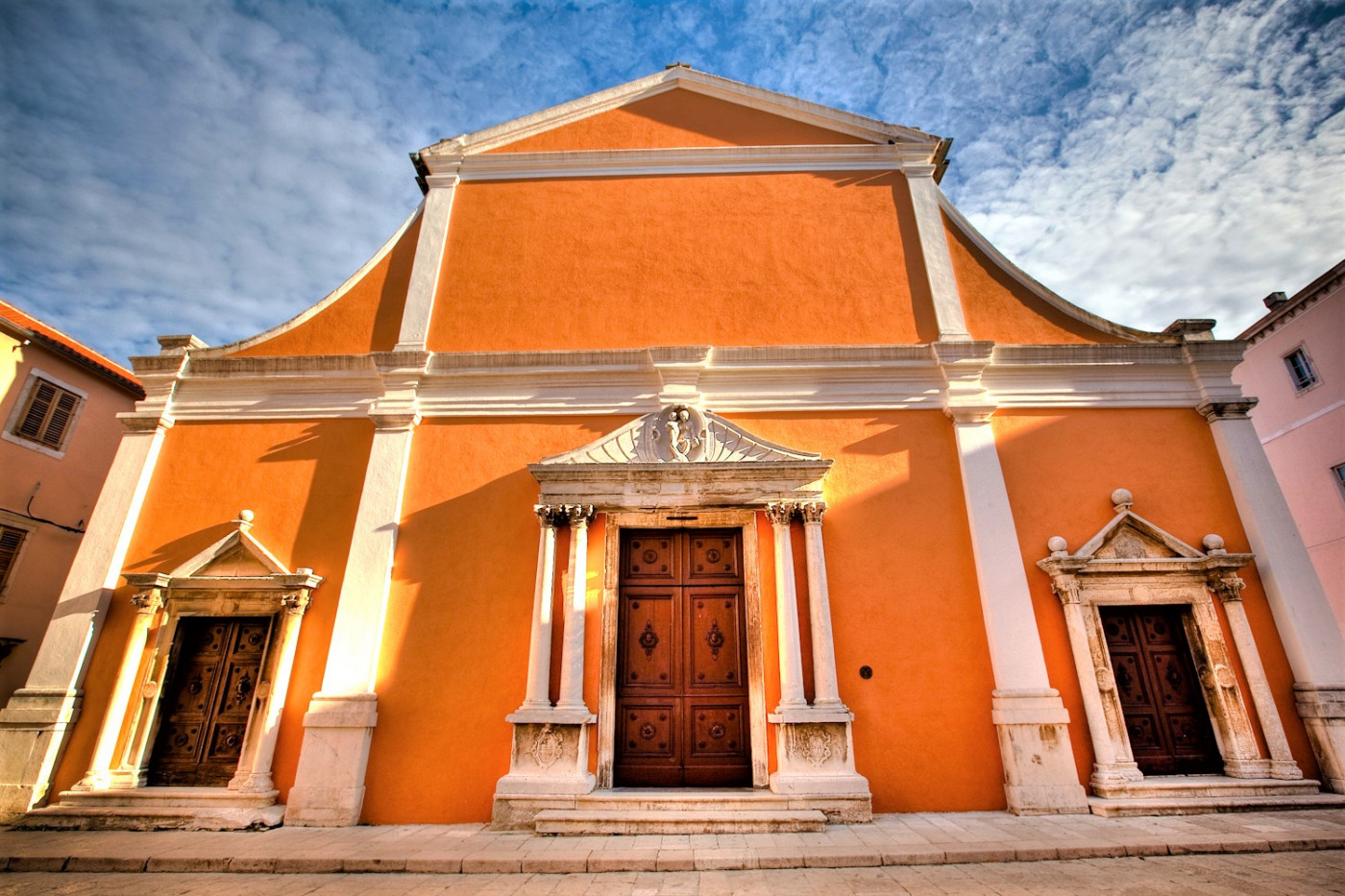
Read moreInitially, the Church of St Simeon in Zadar was an Early Christian three-nave basilica, then a Gothic building, and later a monument of provincial Baroque characteristics. On its main Altar there is a silver casket with the relics of St Simeon, dating back to 1380.
Small Arsenal
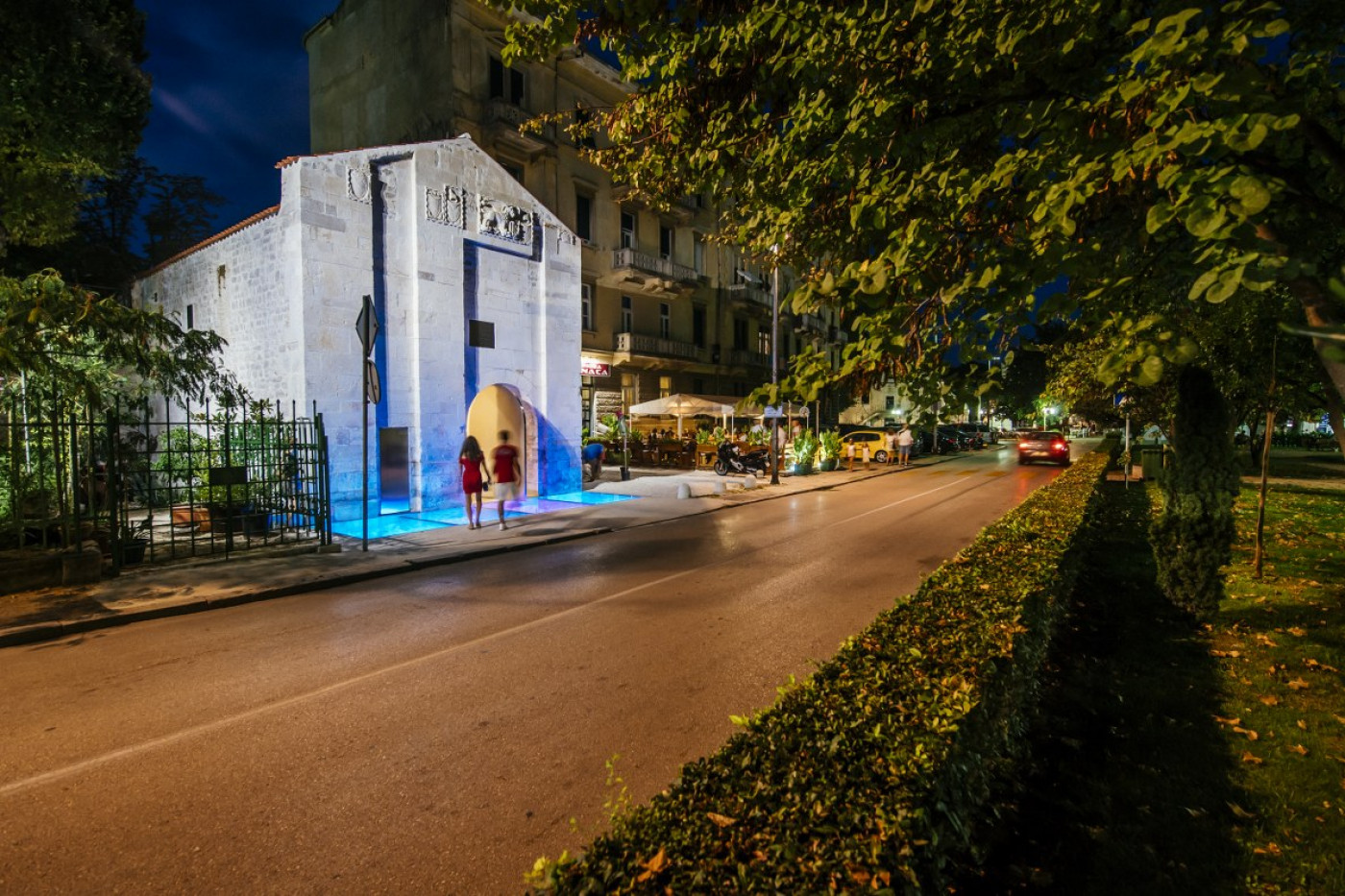
Read moreThe Small Arsenal in Zadar is a protected monument of culture and a part of the Medieval Castle (Kaštel), a separate structure that has been integrated in the defensive system of the city walls. Only some parts have been preserved, among which is the lower part of the entrance tower that was later transformed into a gunpowder warehouse.
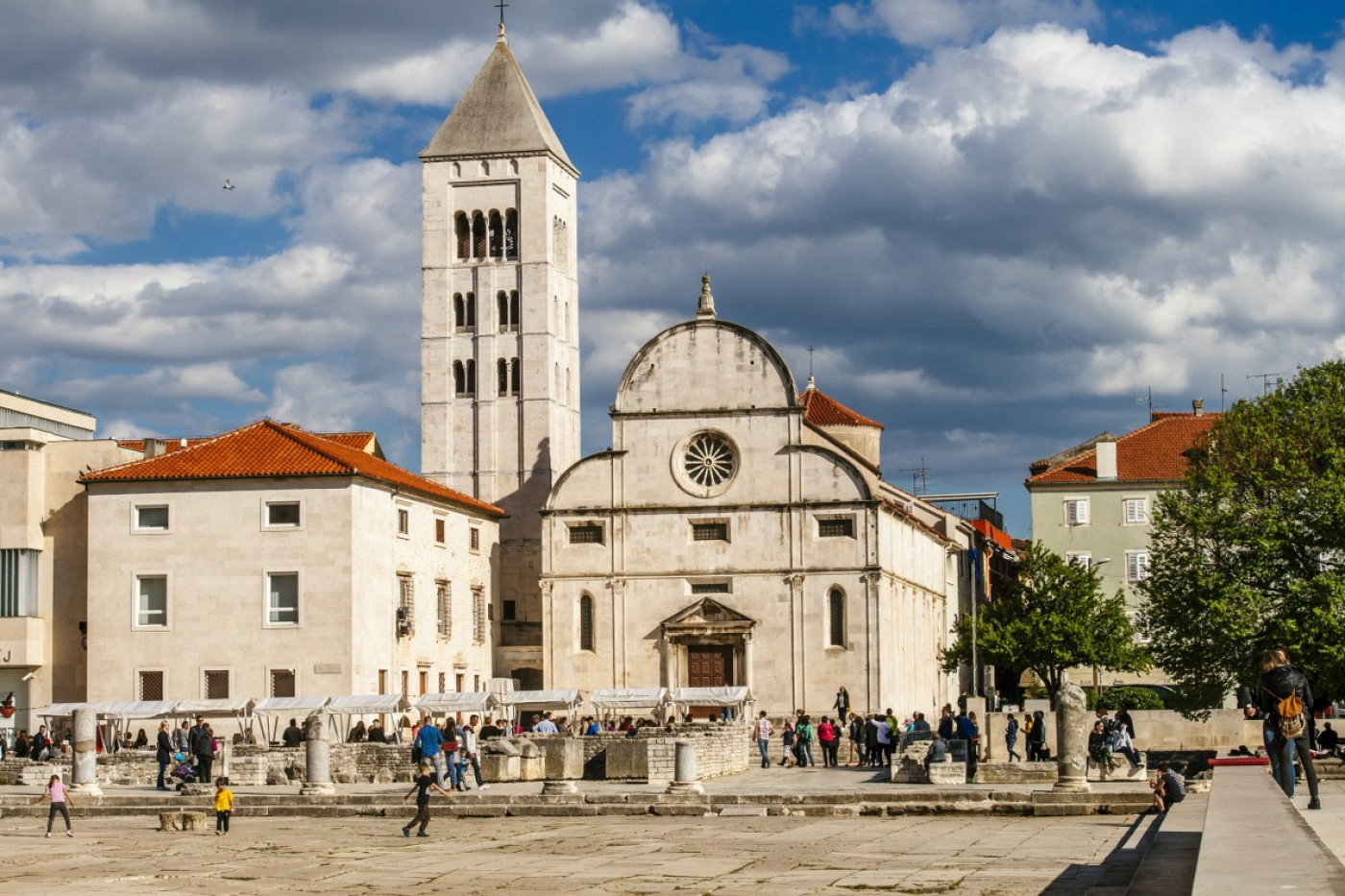
Church and Monastery of St Mary
Read moreThe Monastery of St Mary in Zadar was founded by the Zadar noblewoman Čika in 1066, by her mother, the sister of the Croatian king Peter Krešimir IV, and the big three-nave Church of St Mary was built in 1091 in the Pre-Romanesque style.

A 3D Sculptural Representation of the Historical City Centre of Zadar
Read moreEvery now and then, strolling along the famous Zadar city walls, which the people of Zadar call Muraj, uncovers some new surprises. New ways of interpreting our city are emerging in a quiet manner. Why is that? Because Zadar has a lot to say.

Foša
Read moreFoša is a municipal little harbour in Zadar and one of the symbols of the city. Because of its centuries-old atmosphere and position next to the Renaissance ramparts, it is one of the favourite places to go for a stroll, to take photographs and to enjoy the lavish harbour colouring.

Church and Monastery of St Michael
Read moreThe Church and Monastery of St Michael is in a possession of a collection of artefacts, the most valuable of which are the painting of Our Lady of Snow, dating back to the beginning of the 17th century, Saint Lucy by an unknown painter, the Last Supper, and the Flagellation of Christ, all three from the 16th century.

Arsenal
Read moreThe Arsenal of Zadar dates back to the 16th century. This large port warehouse was expanded in 1752 under the rule of providur (overseer) Jeronim Marija Balbi, to which the inscription on the plaque on the front of the building testifies.

Church of St Donat
Read moreThe Church of St Donat in Zadar has long been desacralized, meaning no liturgies are held here, and from the end of the 19th century until 1954 it housed the Zadar Archaeological Museum. As St Donat has exceptional acoustic characteristics, it has been the venue for Renaissance music festivals for decades.
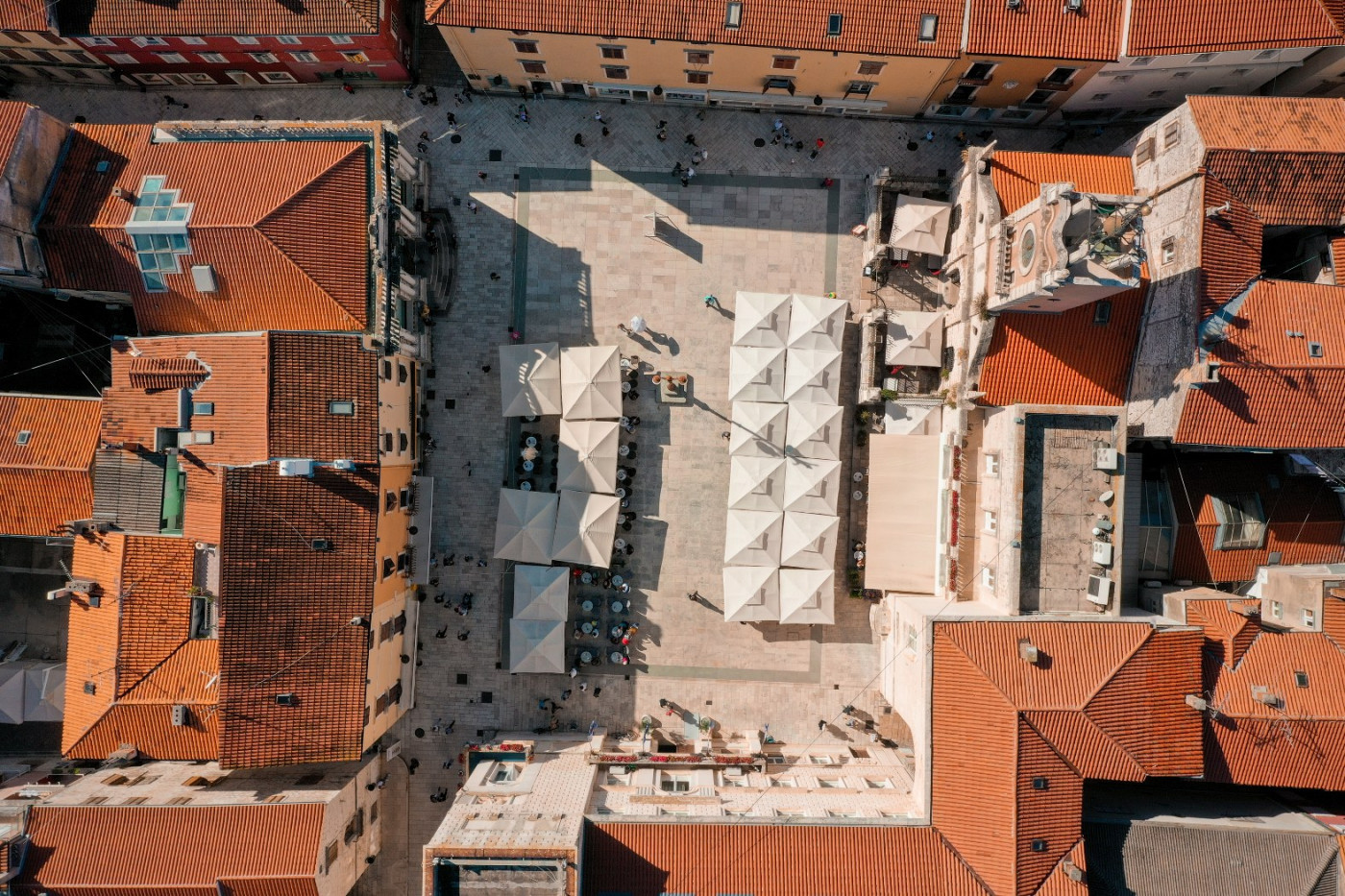
Squares
Read moreThe fragments and traces from the past reveal Zadar’s antiquity, whereas its dynamic squares demonstrate the urban identity of the city and its authentic connections to the Mediterranean and European culture. Zadar is a city of squares, where everything happens and everything gets disclosed.

Zadar City Walls - UNESCO World Heritage Site
Read moreZadar is one of those European historical cities whose identity is related to the UNESCO World Heritage. Its city walls were impenetrable and they were defending the city from conquerors for centuries, offering a secure shelter for its citizens. Today, the walls make for a beloved promenade for travellers from all over the world.
Stomorica Church
Read moreThe floor plan of the Stomorica Church in Zadar resembles a key, and according to tradition, it symbolizes St Peter's keys. Today only the base of that hexafoil Pre-Romanesque church, which was once dedicated to St Ursula, is preserved.