
Attractions
Attractions
Zadar is both, an atmospheric time machine and an open-air museum. Here on display, you will find some of the most beautiful monuments of architecture and cultural heritage of the eastern Adriatic coast. Its city walls are the ancient guardians of this still vibrant historic museum in the open, end they were rightly added to UNESCO's World Heritage List.
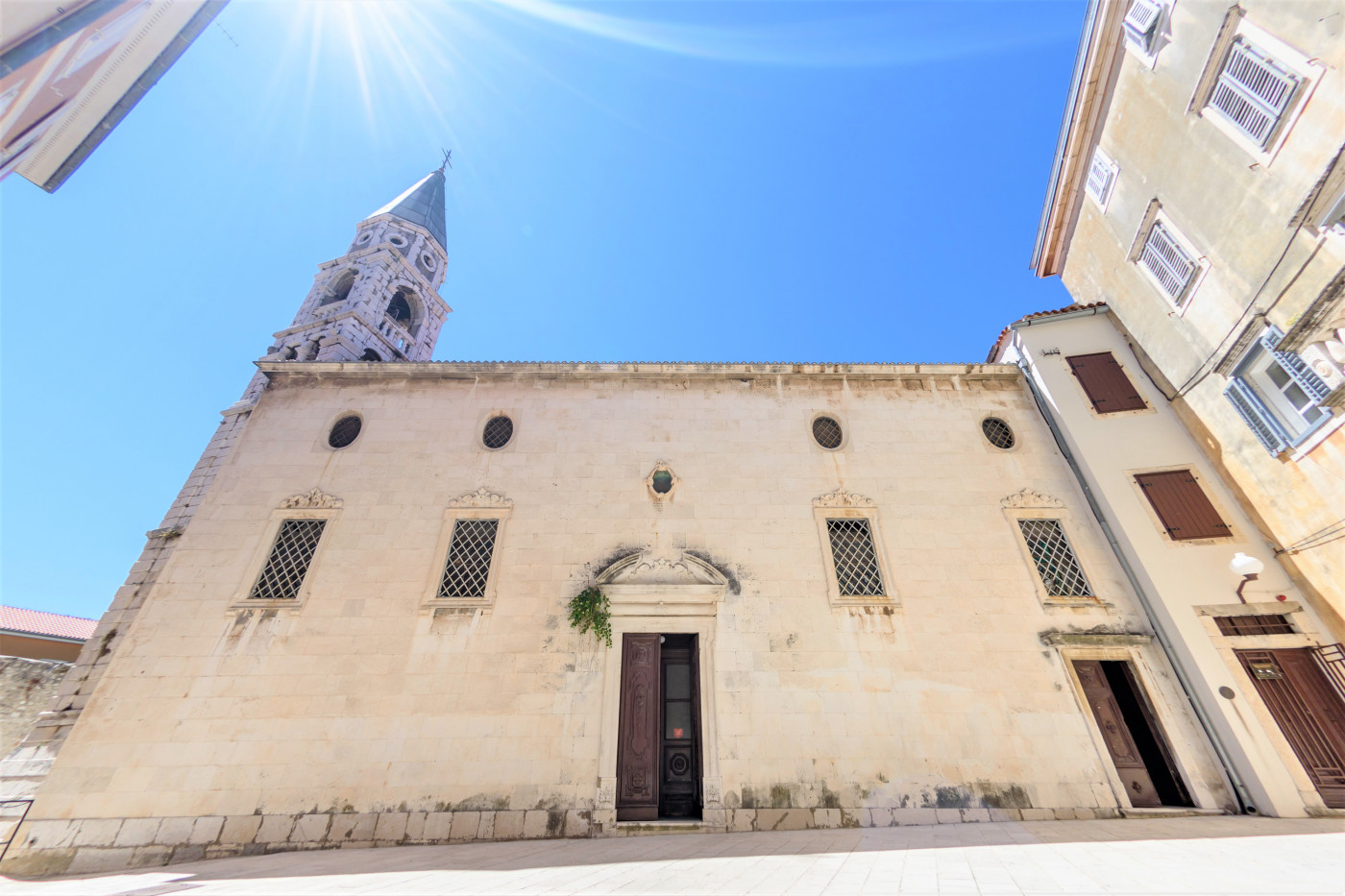
Church of St Elias the Prophet
Church of St Elias the Prophet
The Church of St Elias the Prophet in Zadar is located on the Roman Capitoline. It was constructed in the 16th century on the spot of the Medieval catholic church of the same name. It was adapted in the 18th century in Late-Baroque style, and it preserves a rich collection of icons dating back from the 16th to the 18th century.

Arsenal
Arsenal
The Arsenal of Zadar dates back to the 16th century. This large port warehouse was expanded in 1752 under the rule of providur (overseer) Jeronim Marija Balbi, to which the inscription on the plaque on the front of the building testifies.

Barkajoli, the Rowing Boatmen of Zadar
Barkajoli, the Rowing Boatmen of Zadar
From early morning to late evening, the Barkajoli take passengers and tourists with a little rowing boat across the Zadar peninsula to mainland and back, thus cultivating, according to some daring explorers, a 3,000-year-old tradition.

Kalelarga
Kalelarga
From the most ancient times in Zadar, known as Via Magna, Strada Grande or Ruga Magistra, Kalelarga has been the main street of the city. To Zadar citizens it is much more than that. It is the main urban artery, a cult space and the symbol of the city, to which the most beautiful memories are associated.

Church and Monastery of St Michael
Church and Monastery of St Michael
The Church and Monastery of St Michael is in a possession of a collection of artefacts, the most valuable of which are the painting of Our Lady of Snow, dating back to the beginning of the 17th century, Saint Lucy by an unknown painter, the Last Supper, and the Flagellation of Christ, all three from the 16th century.
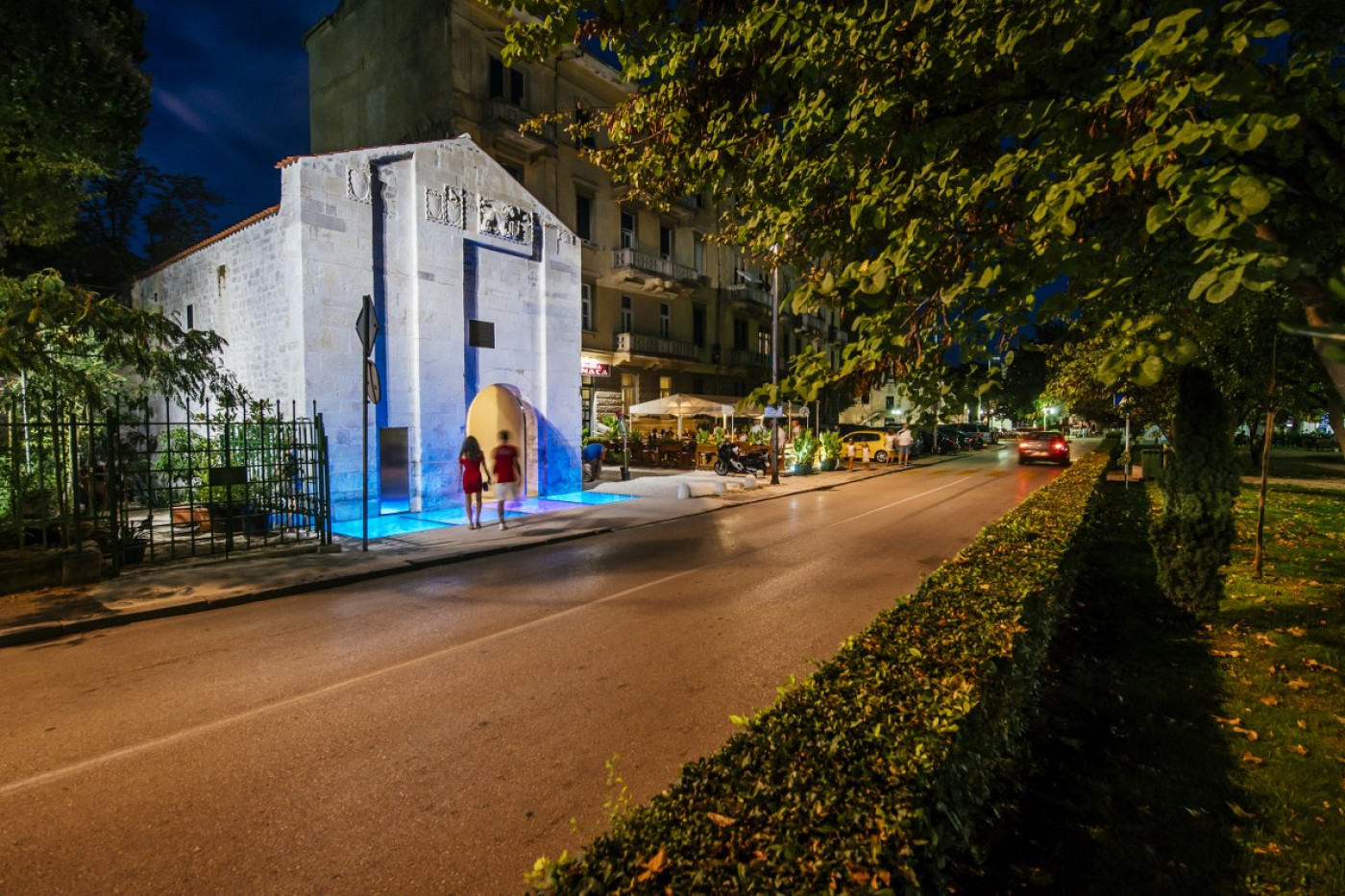
Small Arsenal
Small Arsenal
The Small Arsenal in Zadar is a protected monument of culture and a part of the Medieval Castle (Kaštel), a separate structure that has been integrated in the defensive system of the city walls. Only some parts have been preserved, among which is the lower part of the entrance tower that was later transformed into a gunpowder warehouse.
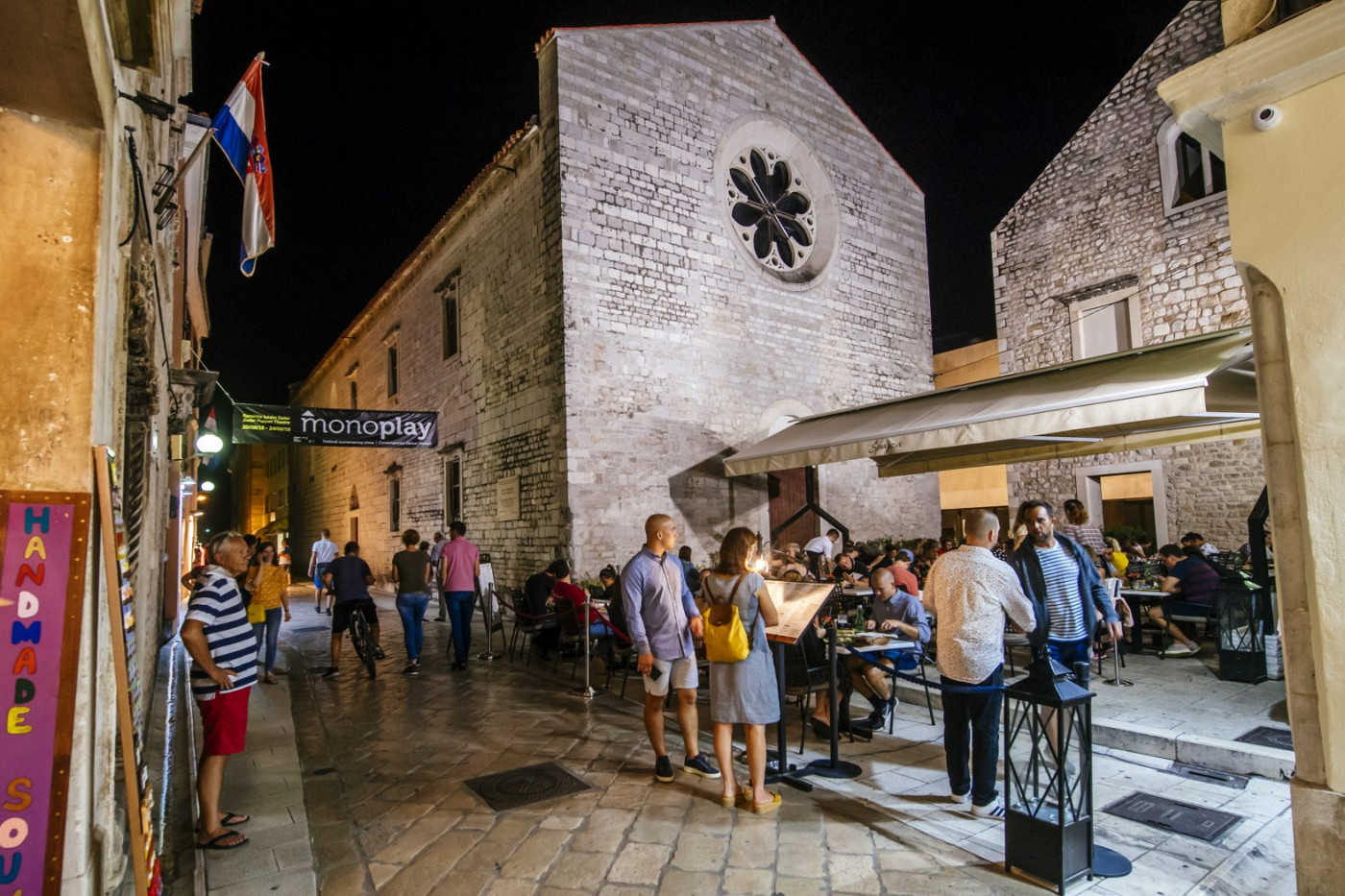
Church and Monastery of St Dominic
Church and Monastery of St Dominic
The Gothic Church of St Dominic in Zadar is located on the west side of the Land Gate, right across the Nassis Palace and the complex of the Proveditor's Palace. In 1396 the first Croatian university started operating as part of the Dominican Monastery.
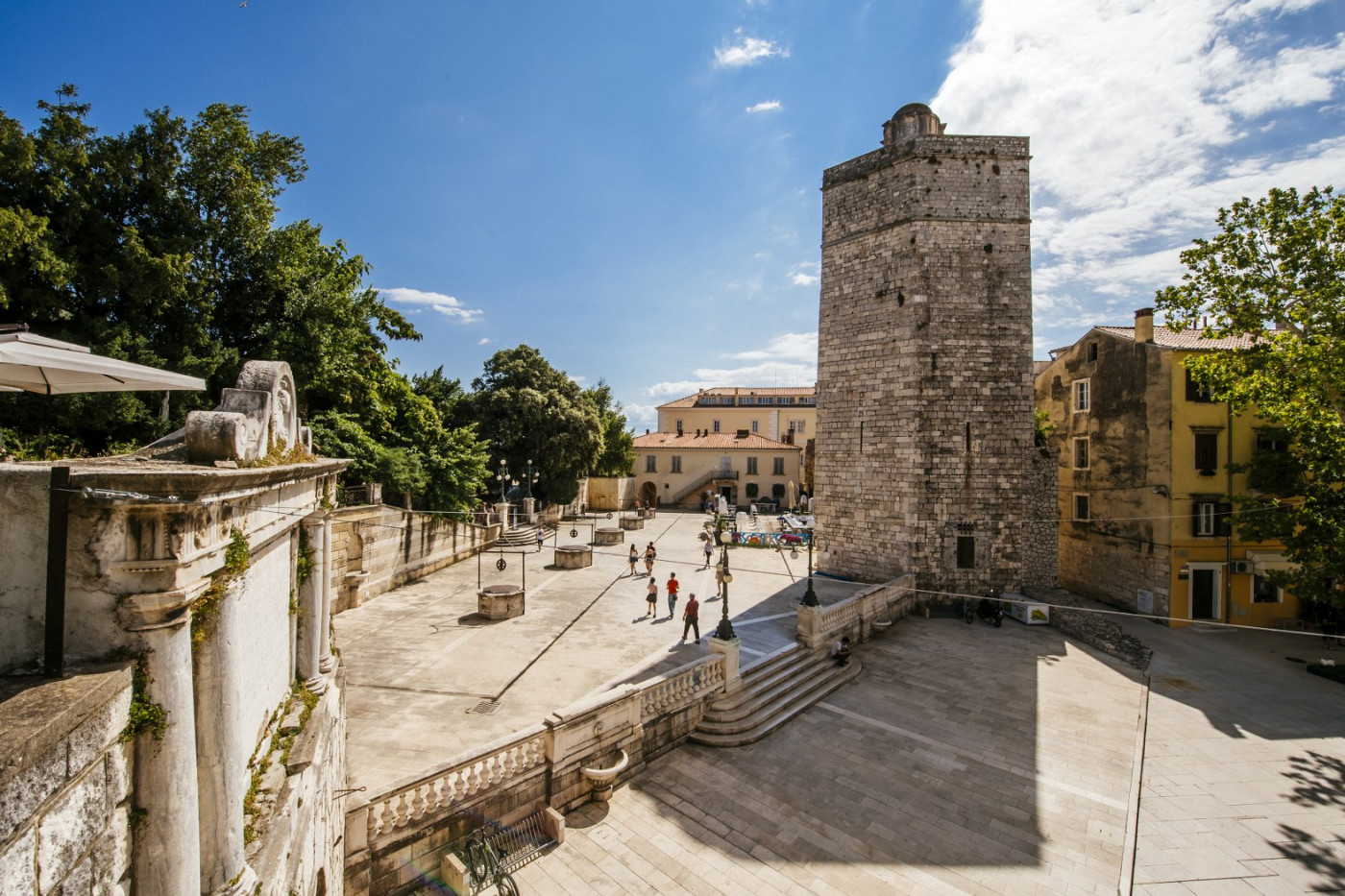
Five Wells Square
Five Wells Square
The Renaissance Five Wells Square in Zadar is encircled by the western Medieval wall and the Captain's Tower that rises 26 metres, and by the supporting wall on the east with the entrance to the Queen Jelena Madije Park. You have not been to Zadar if you have not taken a picture here.

Church of Our Lady of Health
Church of Our Lady of Health
The painting of the Lady of Castello, painted by Blaž Jurjev Trogiranin (Blaise de Trogir) in the 15th century, was preserved in the Church of Our Lady of Health, and today it is a part of the permanent display of the Exhibition of Religious Art, the so-called Gold and Silver of Zadar. The church has been very popular among many generations of Zadar citizens.

Sea Organ
Sea Organ
Zadar is a proud owner of a unique blend of architecture and music, the world-famous Sea Organ, which is located right next to another modern installation, the Greeting to the Sun. The sounds that the Sea Organ produces are a result of the release of sea energy, or rather waves and tides.

Cathedral of St Anastasia
Cathedral of St Anastasia
The Cathedral of St Anastasia is a monumental Romanesque building, and it carries the name of the Sirmian martyr, to whom two popes bowed down; Alexander the III, who visited her tomb, and Pope John Paul II, who bowed down in 2003 in front of the main gate of the Cathedral.

Greeting to the Sun
Greeting to the Sun
The new symbol of Zadar is located in the Zadar port on the western point of Zadar Peninsula. The Greeting to the Sun is overlooking the Zadar Channel, the islands and the world-famous sunset. With this installation, Zadar has got a new tourist attraction.
.