

Attractions
Attractions
Zadar is both, an atmospheric time machine and an open-air museum. Here on display, you will find some of the most beautiful monuments of architecture and cultural heritage of the eastern Adriatic coast. Its city walls are the ancient guardians of this still vibrant historic museum in the open, end they were rightly added to UNESCO's World Heritage List.
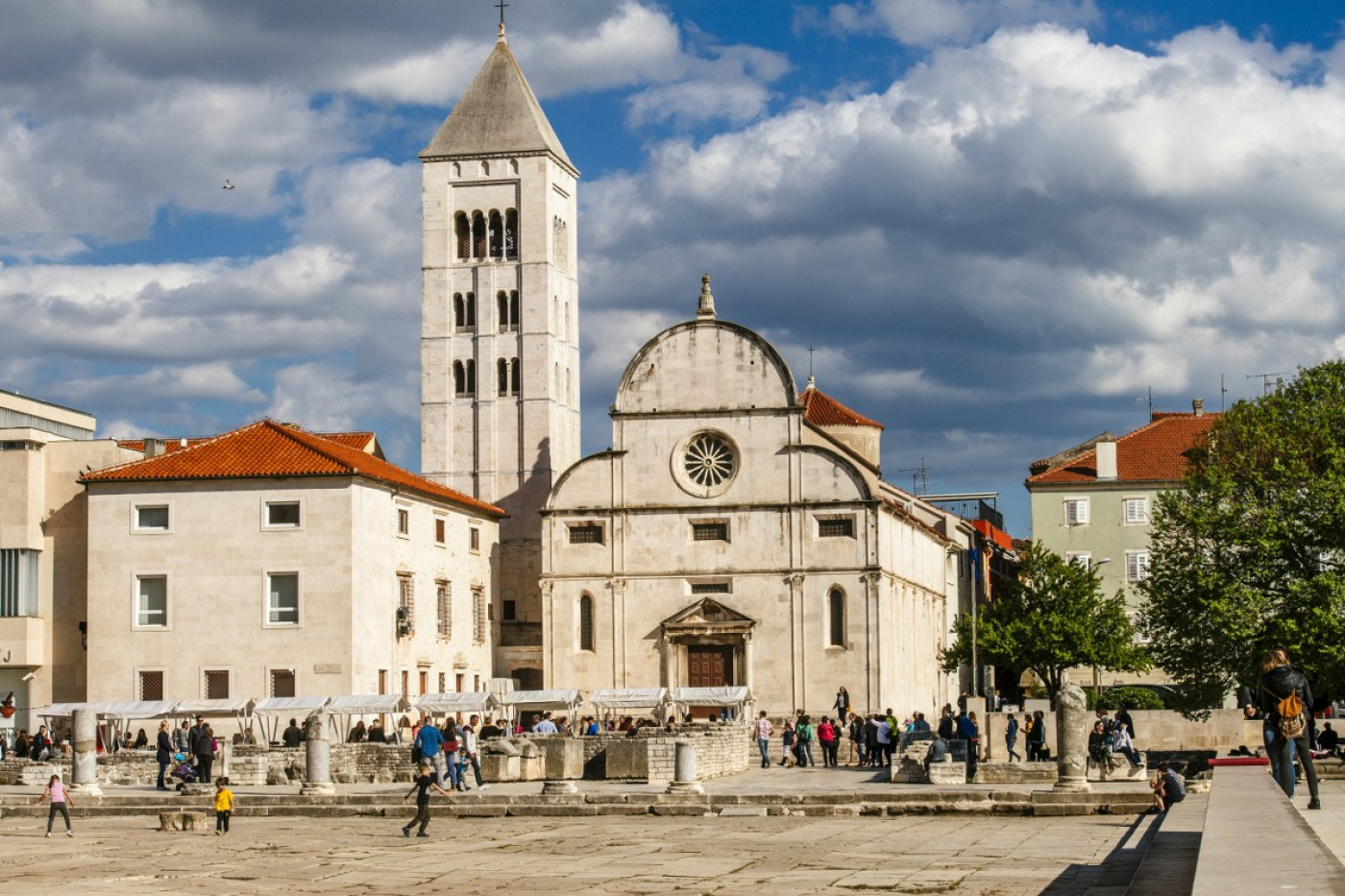
Church and Monastery of St Mary
Church and Monastery of St Mary
The Monastery of St Mary in Zadar was founded by the Zadar noblewoman Čika in 1066, by her mother, the sister of the Croatian king Peter Krešimir IV, and the big three-nave Church of St Mary was built in 1091 in the Pre-Romanesque style.

Kalelarga
Kalelarga
From the most ancient times in Zadar, known as Via Magna, Strada Grande or Ruga Magistra, Kalelarga has been the main street of the city. To Zadar citizens it is much more than that. It is the main urban artery, a cult space and the symbol of the city, to which the most beautiful memories are associated.
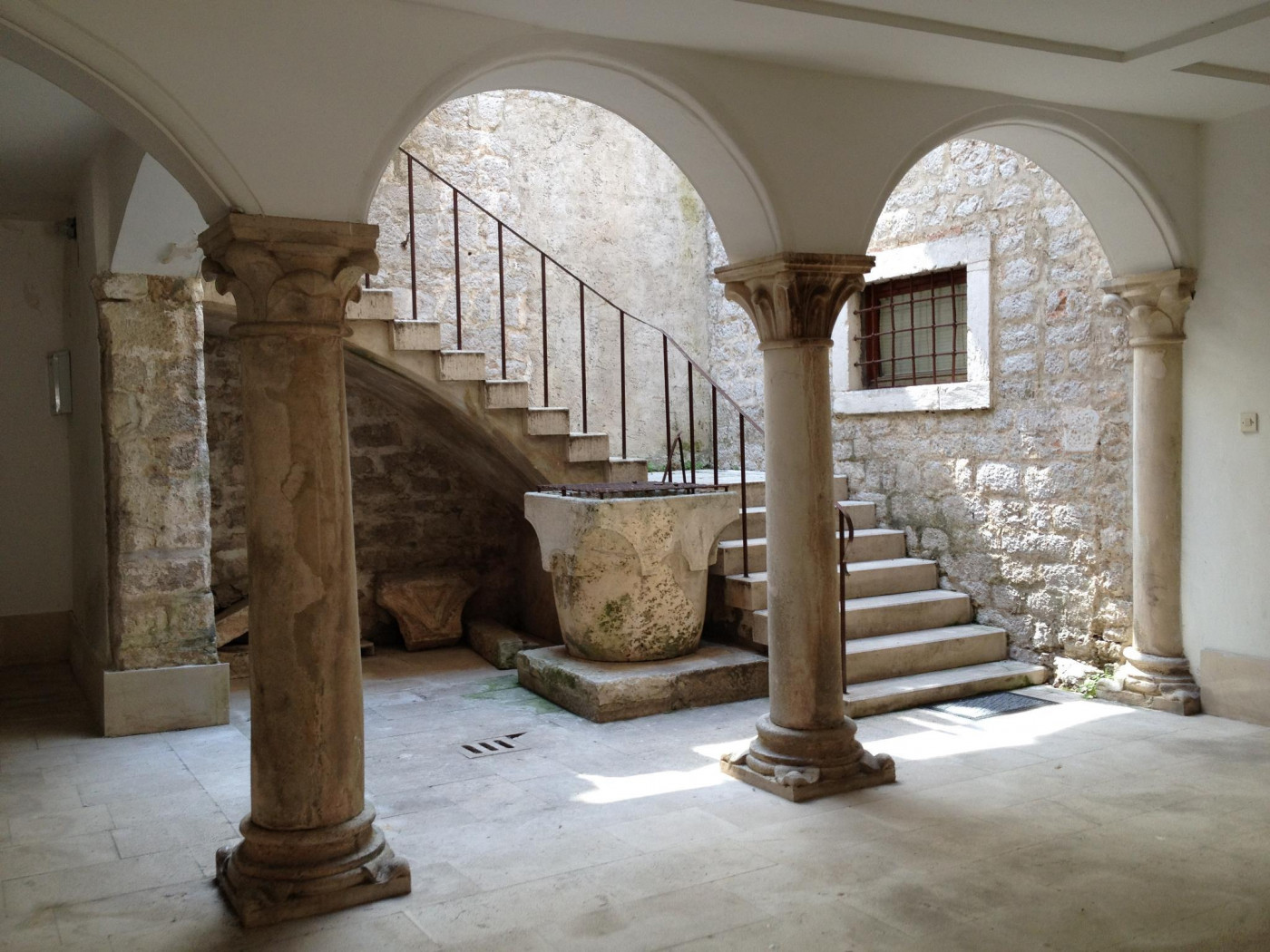
Palaces
Palaces
Zadar is a city of palaces. The three-thousand-year-old past of the city is interwoven in its Mediterranean and European urban identity. The face of Zadar is represented by small and bigger squares, narrow streets, ancient churches and monumental memories from the past, as well as luxurious palaces from the Middle Ages and later periods, that are quietly leaning on the remains of Roman and Late-Antique buildings.
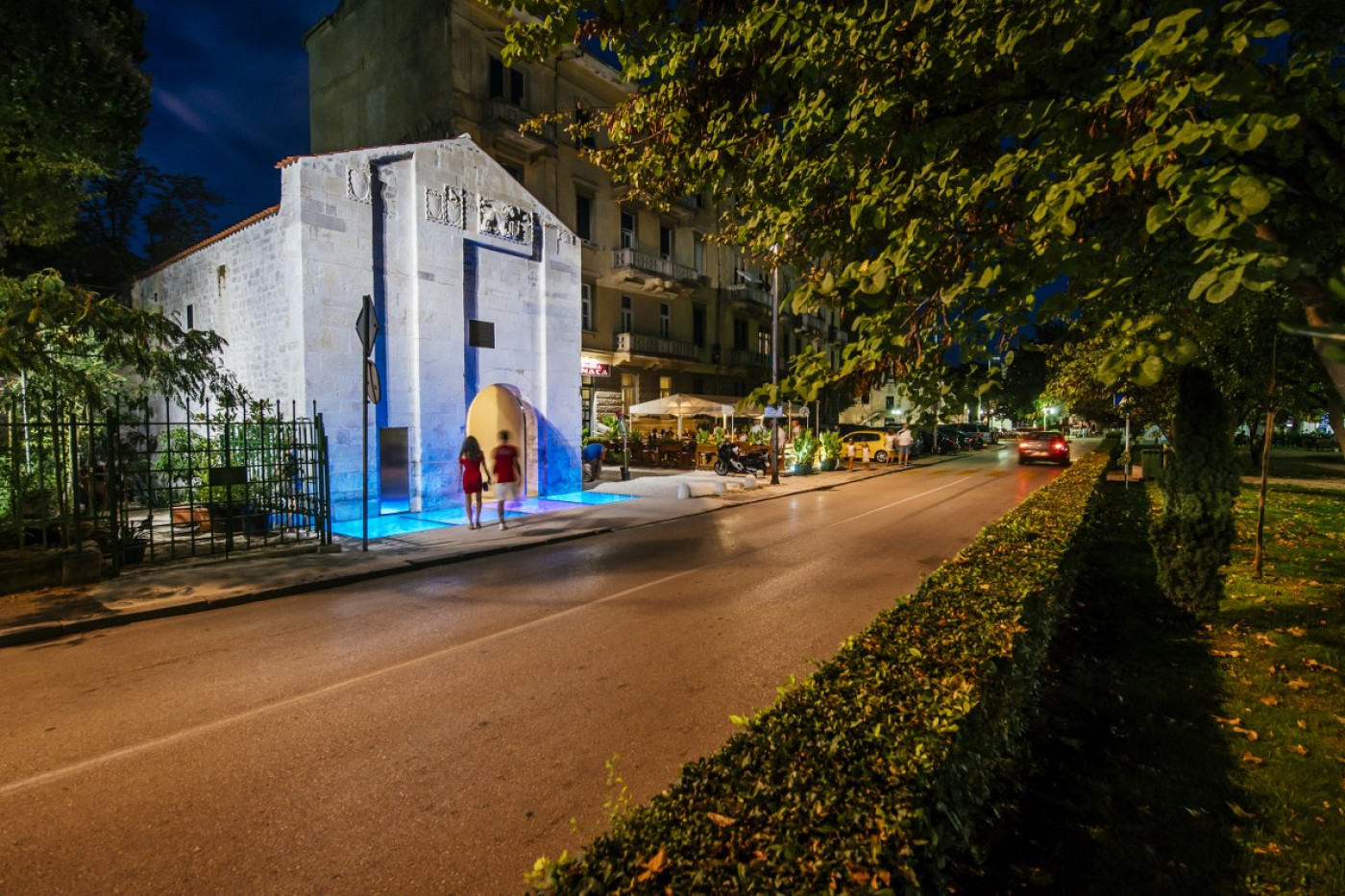
Small Arsenal
Small Arsenal
The Small Arsenal in Zadar is a protected monument of culture and a part of the Medieval Castle (Kaštel), a separate structure that has been integrated in the defensive system of the city walls. Only some parts have been preserved, among which is the lower part of the entrance tower that was later transformed into a gunpowder warehouse.
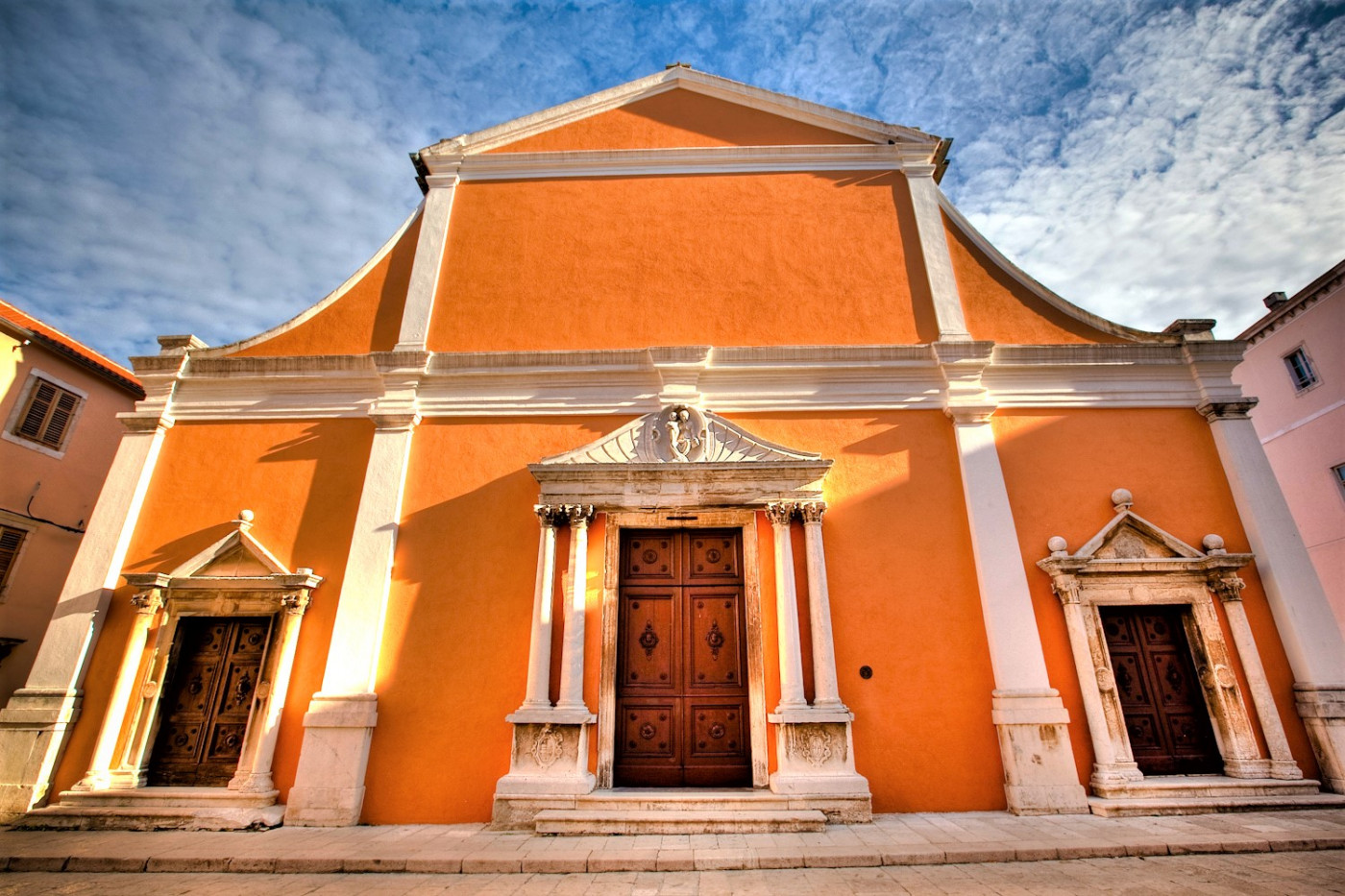
Church of St Simeon
Church of St Simeon
Initially, the Church of St Simeon in Zadar was an Early Christian three-nave basilica, then a Gothic building, and later a monument of provincial Baroque characteristics. On its main Altar there is a silver casket with the relics of St Simeon, dating back to 1380.
Squares
Squares
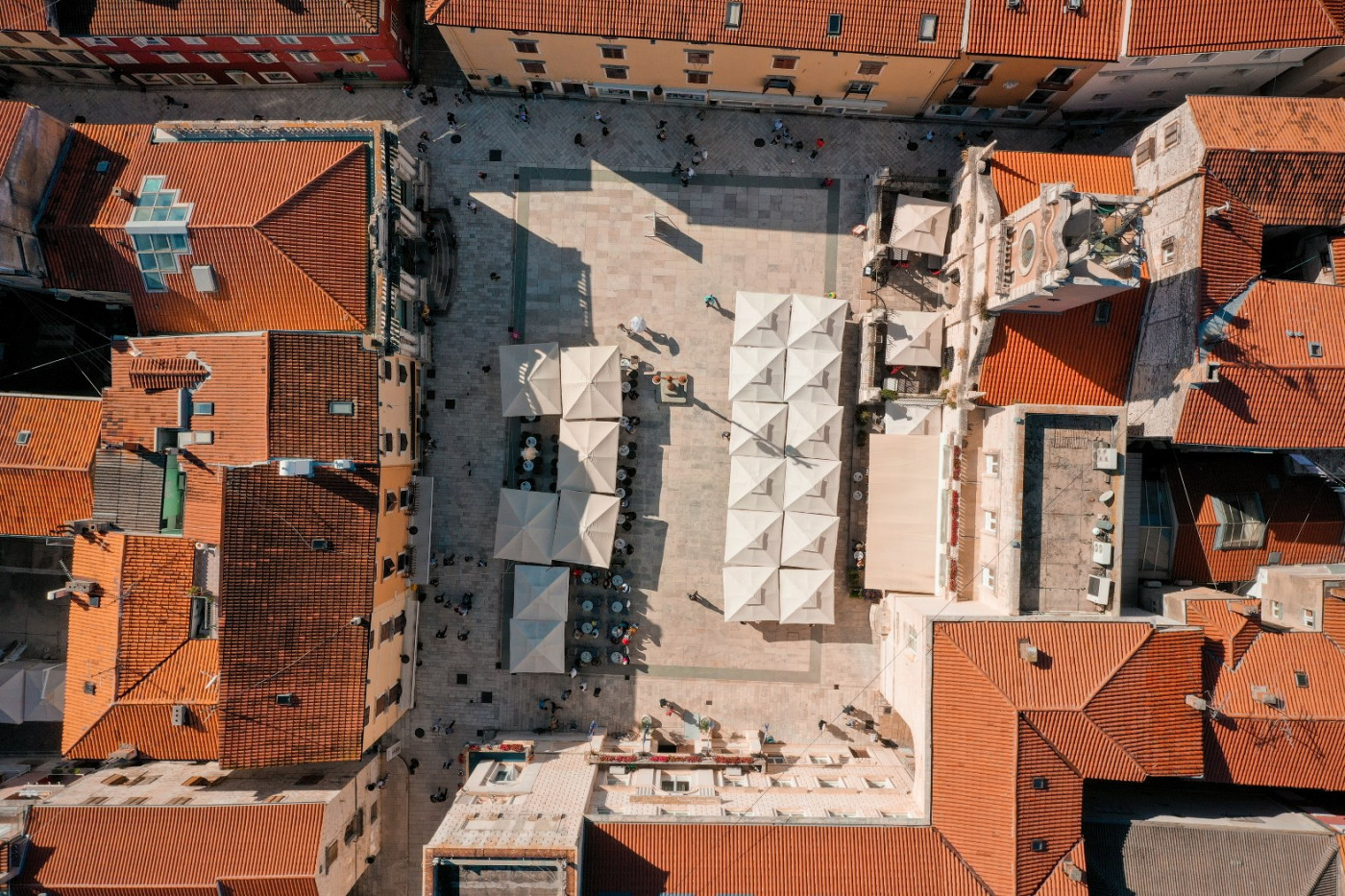
The fragments and traces from the past reveal Zadar’s antiquity, whereas its dynamic squares demonstrate the urban identity of the city and its authentic connections to the Mediterranean and European culture. Zadar is a city of squares, where everything happens and everything gets disclosed.
Church of St Chrysogonus
Church of St Chrysogonus
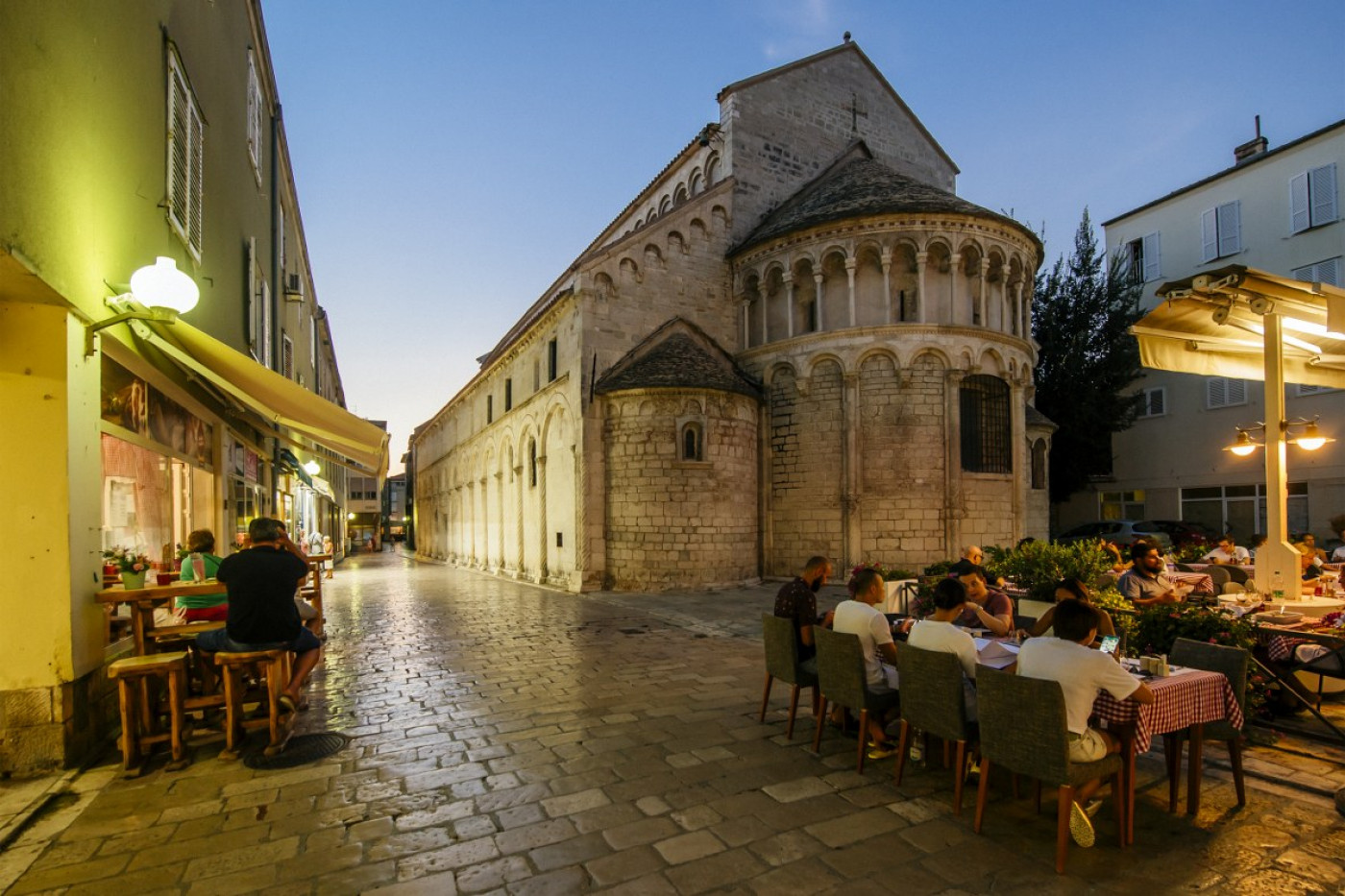
The Romanesque Church of St Chrysogonus got its name after one of the patron saints of Zadar, and it was consecrated by Zadar bishop Lampridius in 1175. It was built on the site of the Roman emporium and the Church of St Anthony the Hermit from the 6th century.
Parks
Parks
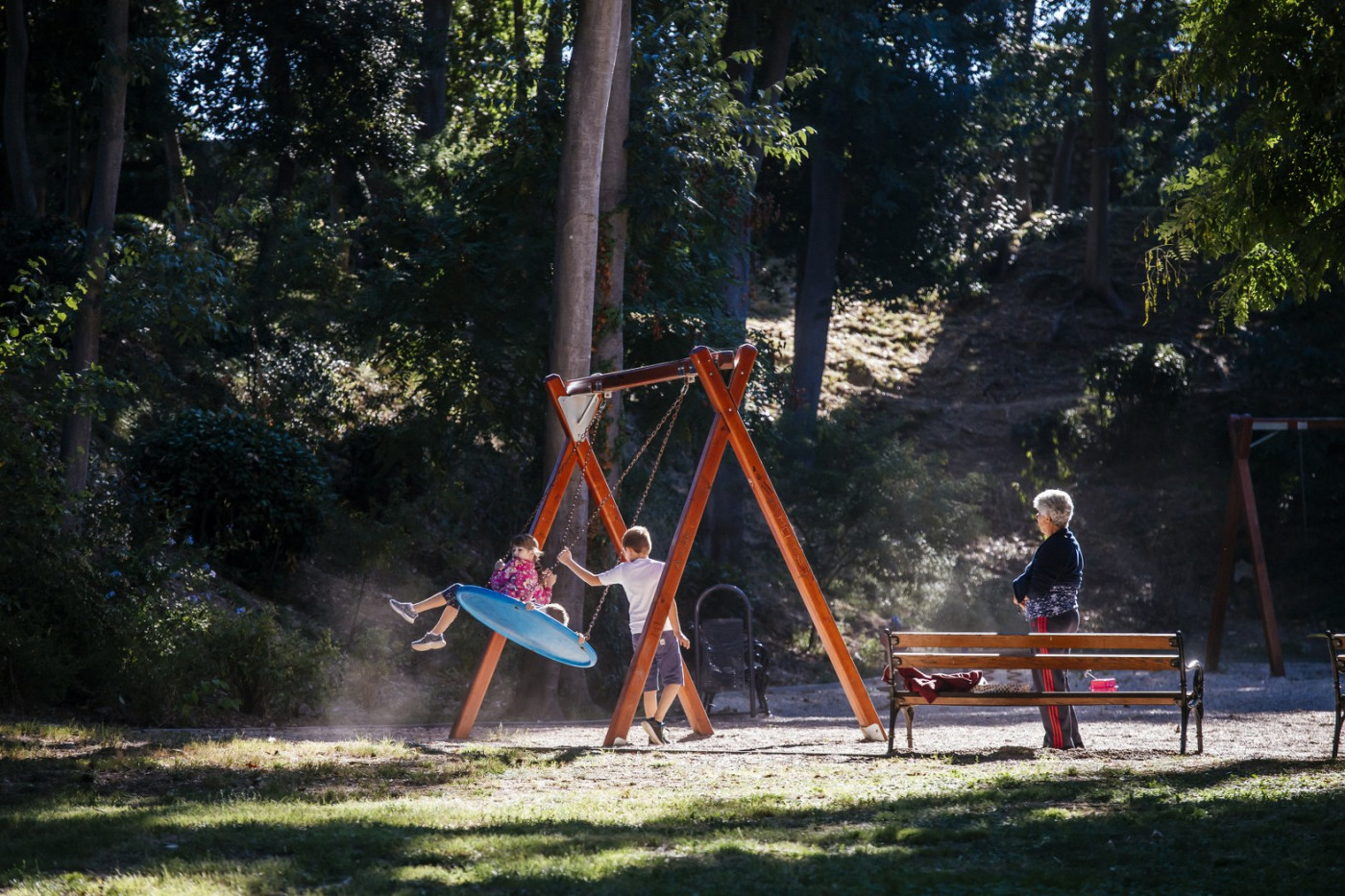
The essence of Zadar lies in its ancient stone face, mottled with green abundance and historical parks. The surroundings enrich the city with natural beauties, its history provided it with landmarks, and its parks demonstrate the city’s urbanity and nobility.

Cathedral of St Anastasia
Cathedral of St Anastasia
The Cathedral of St Anastasia is a monumental Romanesque building, and it carries the name of the Sirmian martyr, to whom two popes bowed down; Alexander the III, who visited her tomb, and Pope John Paul II, who bowed down in 2003 in front of the main gate of the Cathedral.

Church of Our Lady of Health
Church of Our Lady of Health
The painting of the Lady of Castello, painted by Blaž Jurjev Trogiranin (Blaise de Trogir) in the 15th century, was preserved in the Church of Our Lady of Health, and today it is a part of the permanent display of the Exhibition of Religious Art, the so-called Gold and Silver of Zadar. The church has been very popular among many generations of Zadar citizens.

Zadar Seafront - Riva
Zadar Seafront - Riva
The Zadar seafront called Riva, is a place of meeting, gathering and happenings, as well as a place for pleasant strolls with the view over the Ugljan and Pašman islands, and the endless open sea to the northwest. It is embellished by magnificent palm trees, ancient holm oaks and other lush vegetation.

Foša
Foša
Foša is a municipal little harbour in Zadar and one of the symbols of the city. Because of its centuries-old atmosphere and position next to the Renaissance ramparts, it is one of the favourite places to go for a stroll, to take photographs and to enjoy the lavish harbour colouring.
.