

 Hrvatski
 Italiano
 Deutsch
 Français
Attractions
Attractions
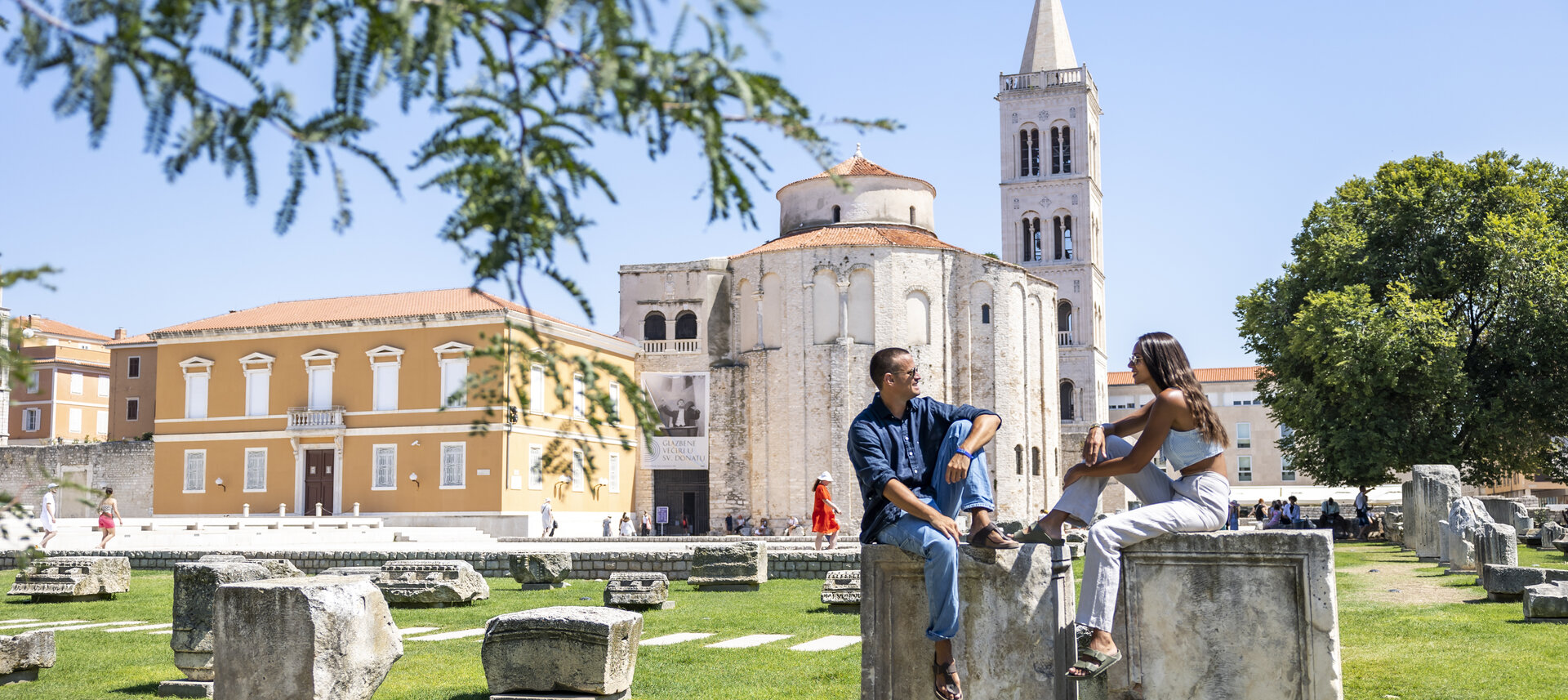
Zadar is both, an atmospheric time machine and an open-air museum. Here on display, you will find some of the most beautiful monuments of architecture and cultural heritage of the eastern Adriatic coast. Its city walls are the ancient guardians of this still vibrant historic museum in the open, end they were rightly added to UNESCO's World Heritage List.

University of Zadar and the Chapel of St Demetrius
Read moreThe impressive building of the University of Zadar on the seafront was built at the beginning of the 20th century in Neoclassicist style for the needs of the former Lyceum of St Demetrius. The first University in Zadar was founded way back in 1396, and it was re-established in 2002.

Zadar Sphinx
Read moreThe stories about the Zadar Sphinx, and the treasure buried under it, were the inspiration for numerous fantasies by generations of Zadar citizens.
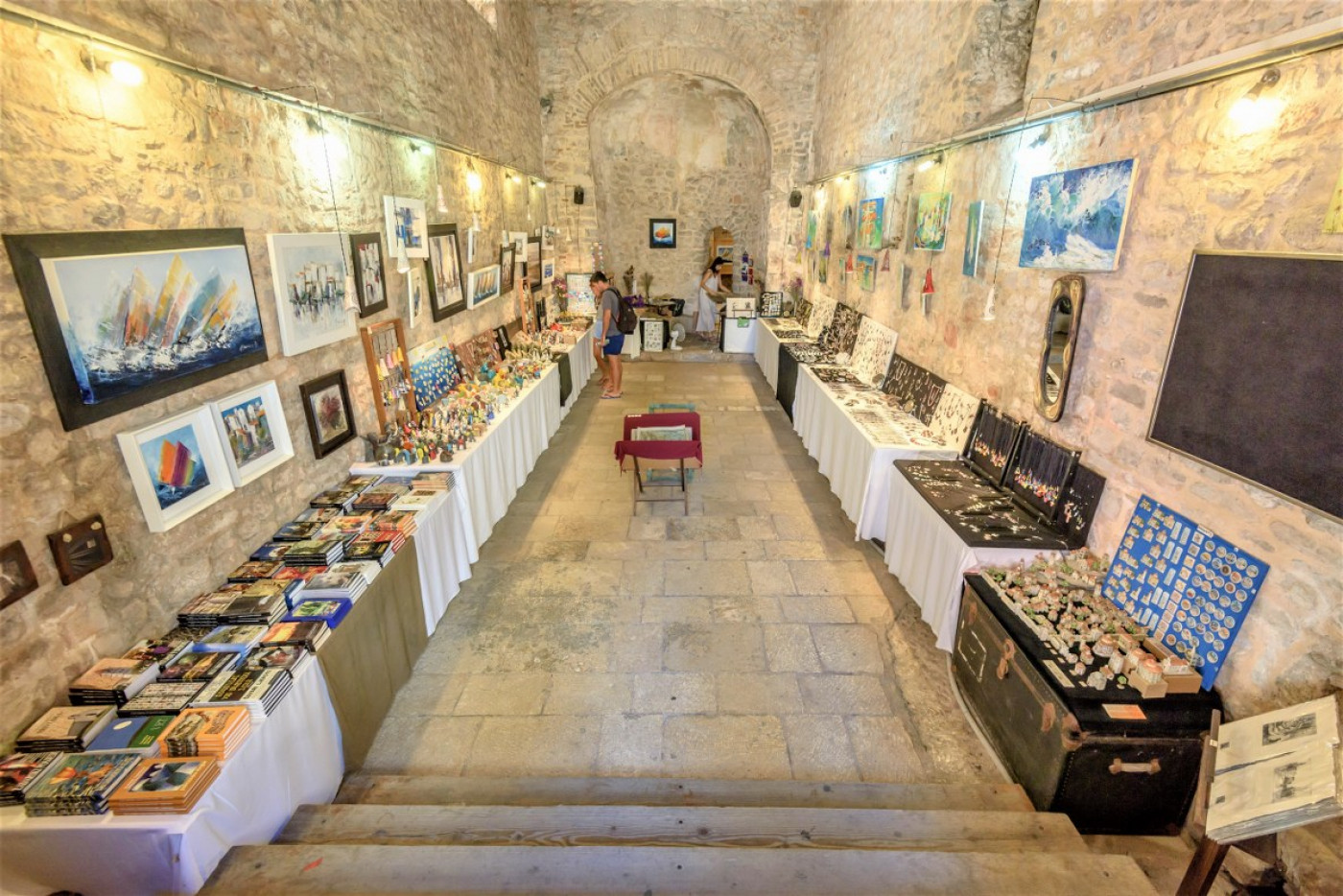
Church of St Andrew and St Peter the Elder
Read moreThe Church of St Andrew and St Peter the Elder in Zadar is an example of a double church, located near the city market, and functioning as two connected little churches. The southern side wall and the apse of the Church of St Andrew date back to the 5th century, while the Church of St Peter was built on the spot of former Roman buildings.
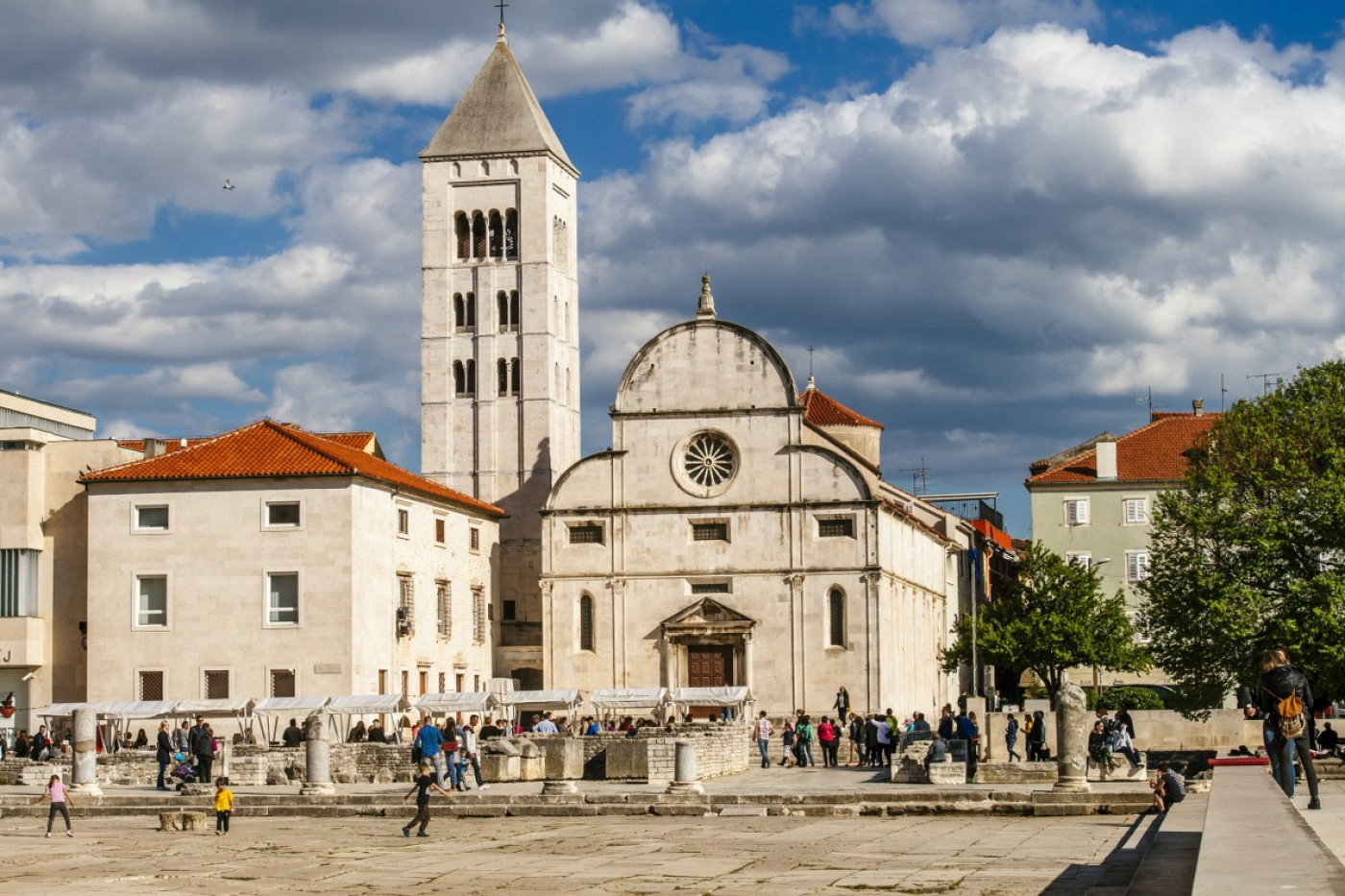
Church and Monastery of St Mary
Read moreThe Monastery of St Mary in Zadar was founded by the Zadar noblewoman Čika in 1066, by her mother, the sister of the Croatian king Peter Krešimir IV, and the big three-nave Church of St Mary was built in 1091 in the Pre-Romanesque style.
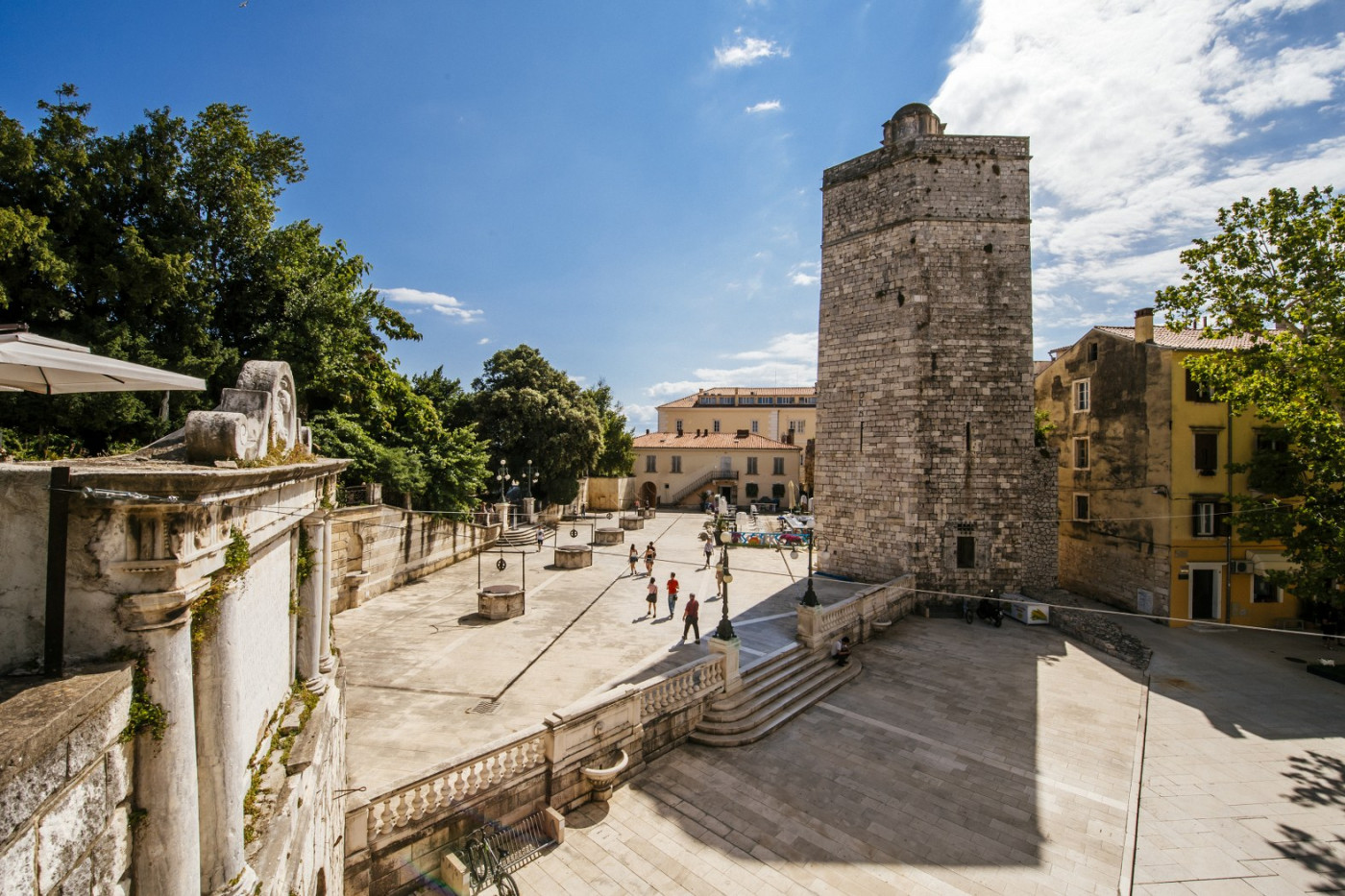
Five Wells Square
Read moreThe Renaissance Five Wells Square in Zadar is encircled by the western Medieval wall and the Captain's Tower that rises 26 metres, and by the supporting wall on the east with the entrance to the Queen Jelena Madije Park. You have not been to Zadar if you have not taken a picture here.

Cathedral of St Anastasia
Read moreThe Cathedral of St Anastasia is a monumental Romanesque building, and it carries the name of the Sirmian martyr, to whom two popes bowed down; Alexander the III, who visited her tomb, and Pope John Paul II, who bowed down in 2003 in front of the main gate of the Cathedral.

Church and Monastery of St Michael
Read moreThe Church and Monastery of St Michael is in a possession of a collection of artefacts, the most valuable of which are the painting of Our Lady of Snow, dating back to the beginning of the 17th century, Saint Lucy by an unknown painter, the Last Supper, and the Flagellation of Christ, all three from the 16th century.

People's Square
Read moreEverything that has ever mattered in Zadar, since the Medieval period, happened or was heard of at the People's Square. It is the centre of urban life, a source that sucks you in with its energy and beauty, and then entrusts the passers-by to some other urban sensations.

Sea Organ
Read moreZadar is a proud owner of a unique blend of architecture and music, the world-famous Sea Organ, which is located right next to another modern installation, the Greeting to the Sun. The sounds that the Sea Organ produces are a result of the release of sea energy, or rather waves and tides.

Zadar Puppet Theatre
Read moreThe Zadar Puppet Theatre has left a permanent mark on Croatian puppetry, and it is one of the recognizable Zadar cultural products.
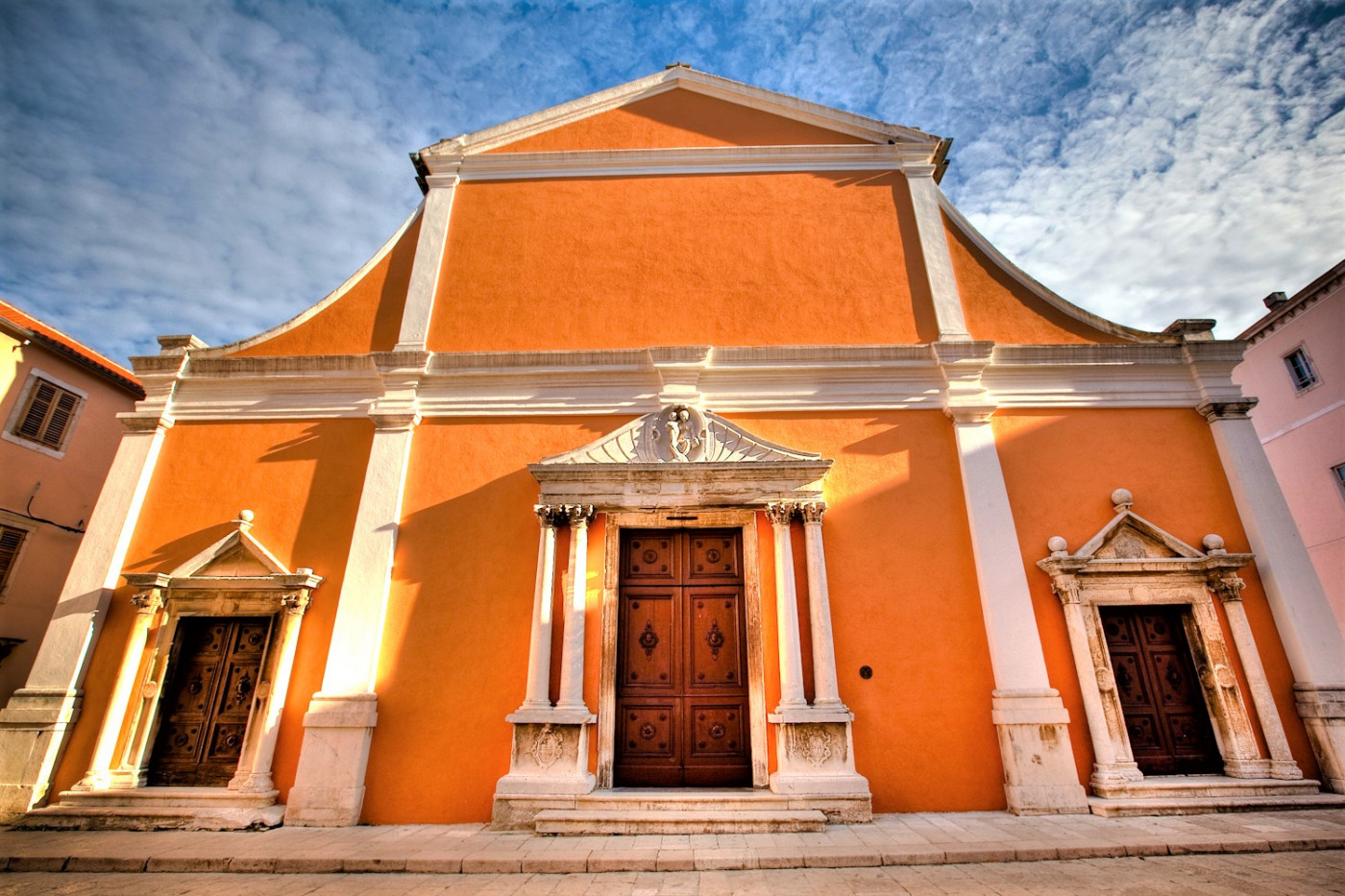
Church of St Simeon
Read moreInitially, the Church of St Simeon in Zadar was an Early Christian three-nave basilica, then a Gothic building, and later a monument of provincial Baroque characteristics. On its main Altar there is a silver casket with the relics of St Simeon, dating back to 1380.

Zadar City Walls - UNESCO World Heritage Site
Read moreZadar is one of those European historical cities whose identity is related to the UNESCO World Heritage. Its city walls were impenetrable and they were defending the city from conquerors for centuries, offering a secure shelter for its citizens. Today, the walls make for a beloved promenade for travellers from all over the world.