

Attractions
Attractions
Zadar is both, an atmospheric time machine and an open-air museum. Here on display, you will find some of the most beautiful monuments of architecture and cultural heritage of the eastern Adriatic coast. Its city walls are the ancient guardians of this still vibrant historic museum in the open, end they were rightly added to UNESCO's World Heritage List.

Arsenal
Arsenal
The Arsenal of Zadar dates back to the 16th century. This large port warehouse was expanded in 1752 under the rule of providur (overseer) Jeronim Marija Balbi, to which the inscription on the plaque on the front of the building testifies.

Stomorica Church
Stomorica Church
The floor plan of the Stomorica Church in Zadar resembles a key, and according to tradition, it symbolizes St Peter's keys. Today only the base of that hexafoil Pre-Romanesque church, which was once dedicated to St Ursula, is preserved.

Foša
Foša
Foša is a municipal little harbour in Zadar and one of the symbols of the city. Because of its centuries-old atmosphere and position next to the Renaissance ramparts, it is one of the favourite places to go for a stroll, to take photographs and to enjoy the lavish harbour colouring.
Five Wells Square
Five Wells Square
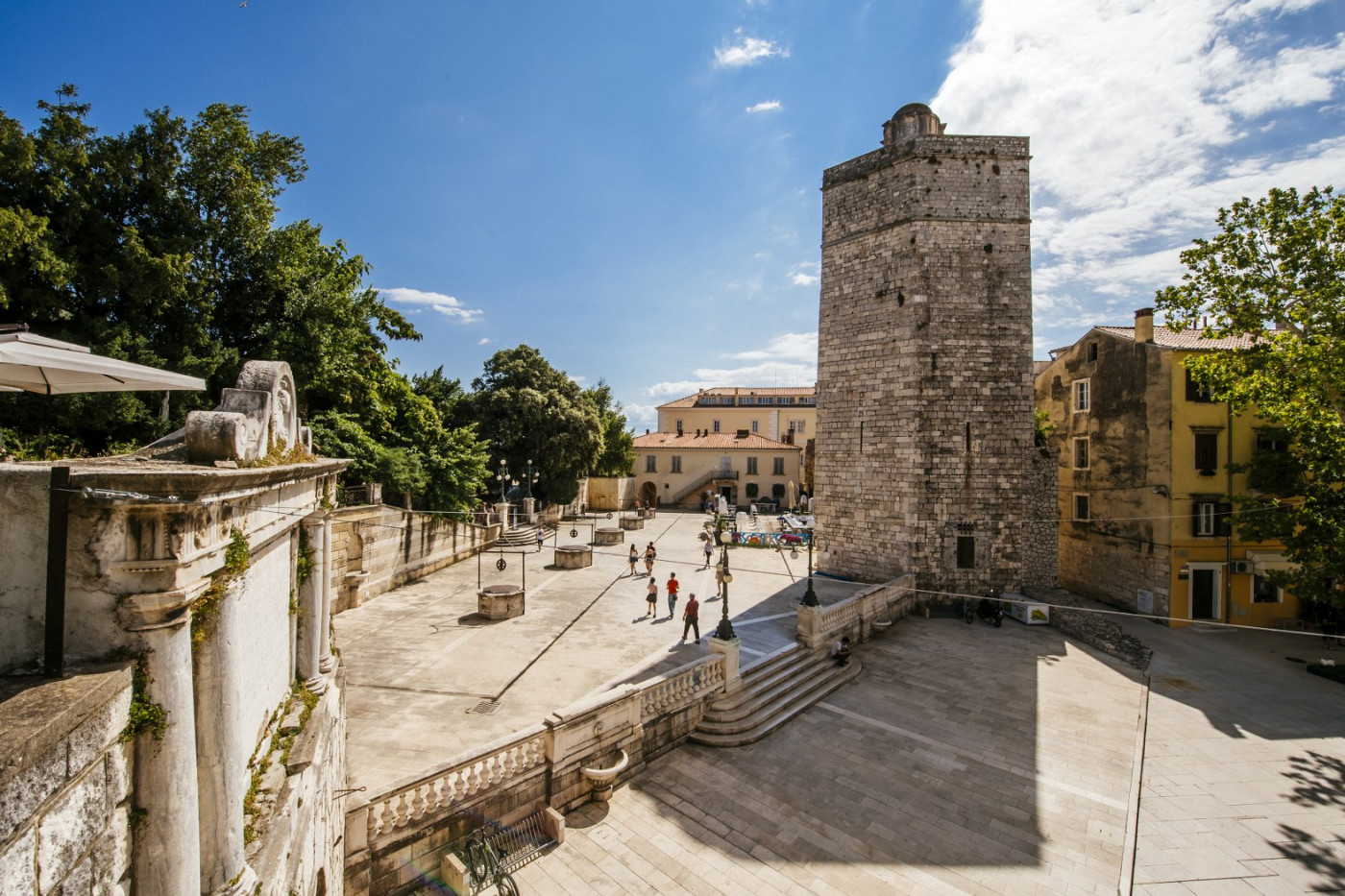
The Renaissance Five Wells Square in Zadar is encircled by the western Medieval wall and the Captain's Tower that rises 26 metres, and by the supporting wall on the east with the entrance to the Queen Jelena Madije Park. You have not been to Zadar if you have not taken a picture here.
Squares
Squares
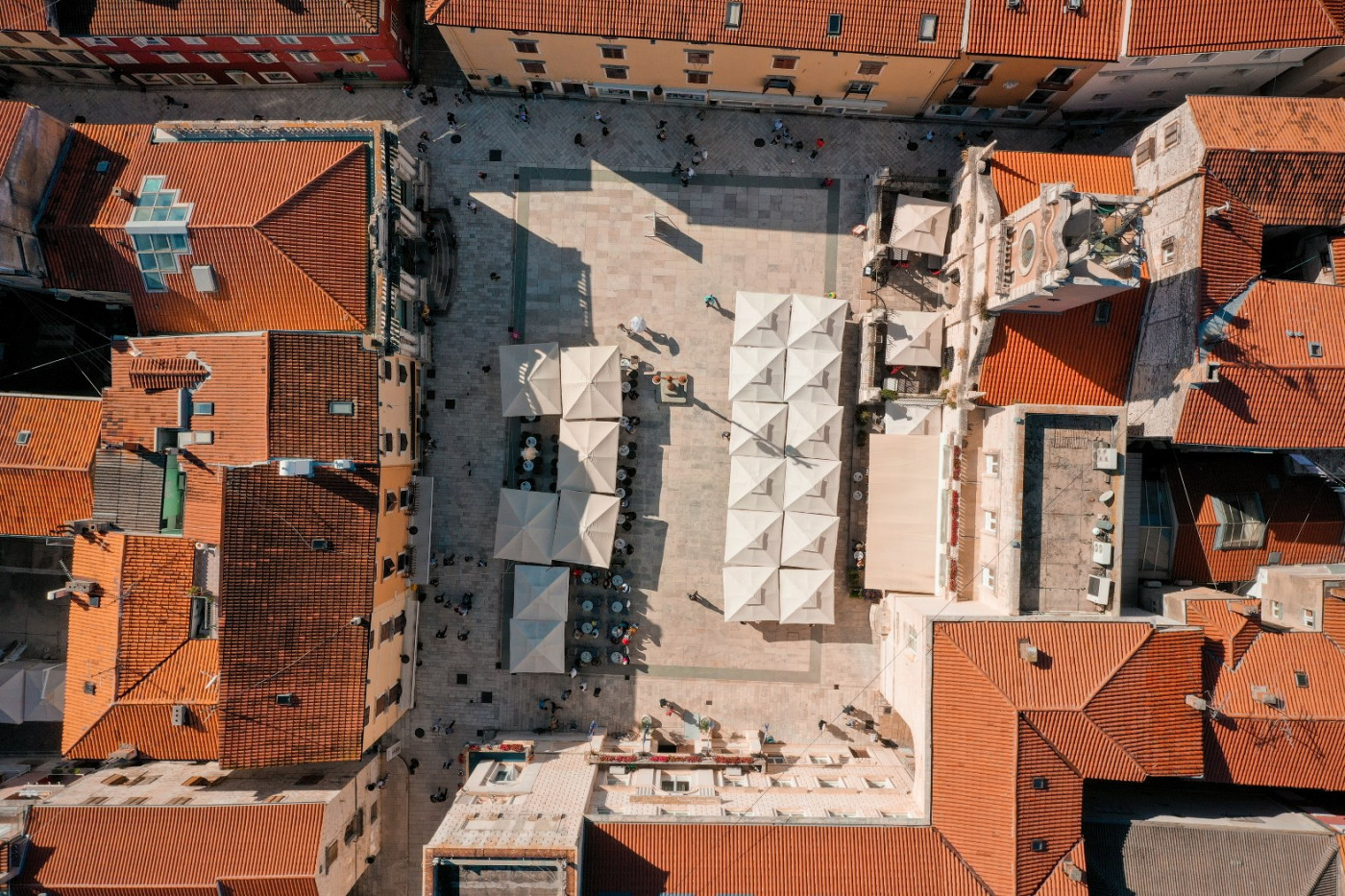
The fragments and traces from the past reveal Zadar’s antiquity, whereas its dynamic squares demonstrate the urban identity of the city and its authentic connections to the Mediterranean and European culture. Zadar is a city of squares, where everything happens and everything gets disclosed.

Zadar City Walls - UNESCO World Heritage Site
Zadar City Walls - UNESCO World Heritage Site
Church and Monastery of St Mary
Church and Monastery of St Mary
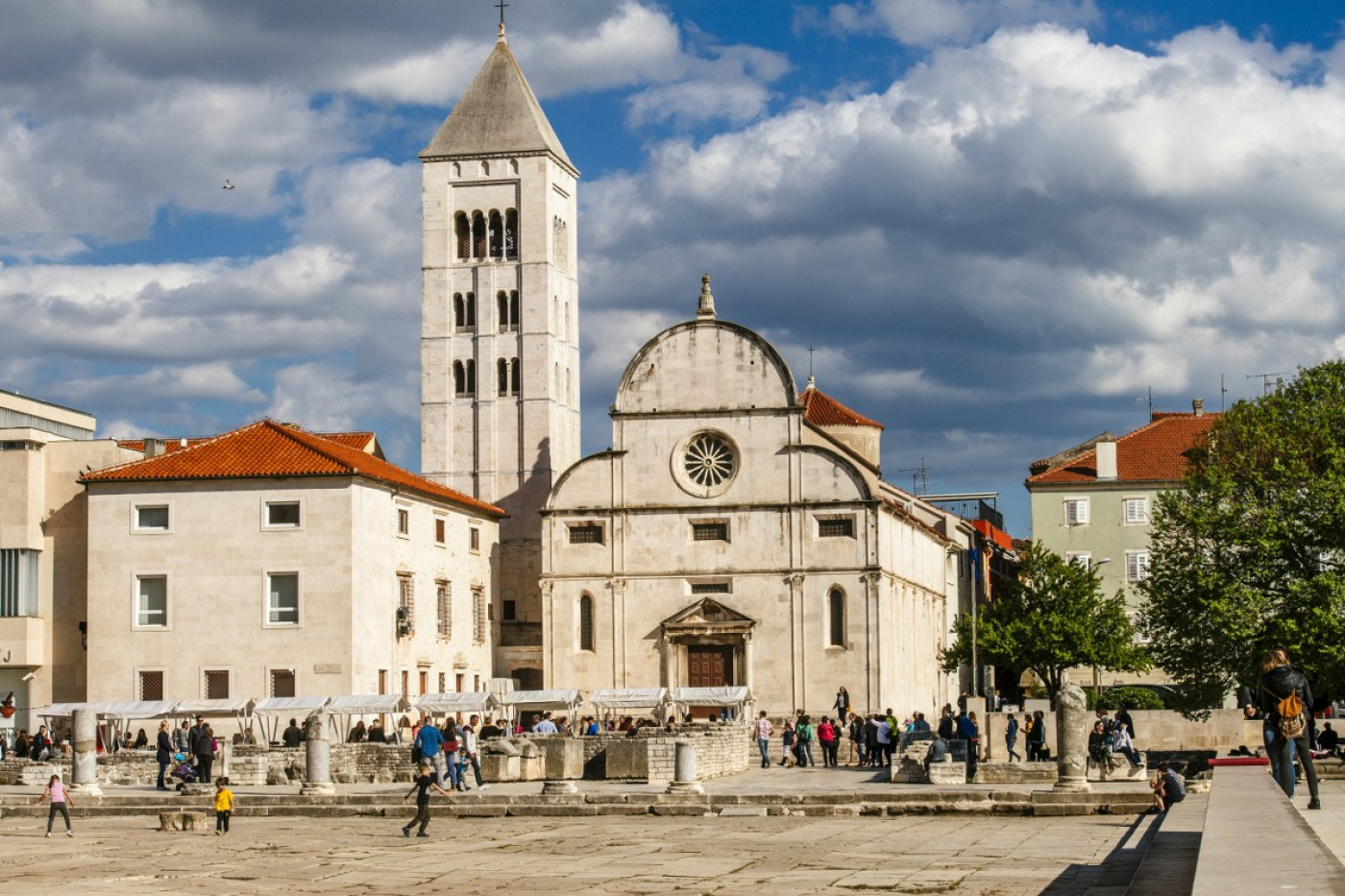
The Monastery of St Mary in Zadar was founded by the Zadar noblewoman Čika in 1066, by her mother, the sister of the Croatian king Peter Krešimir IV, and the big three-nave Church of St Mary was built in 1091 in the Pre-Romanesque style.
Church and Monastery of St Dominic
Church and Monastery of St Dominic
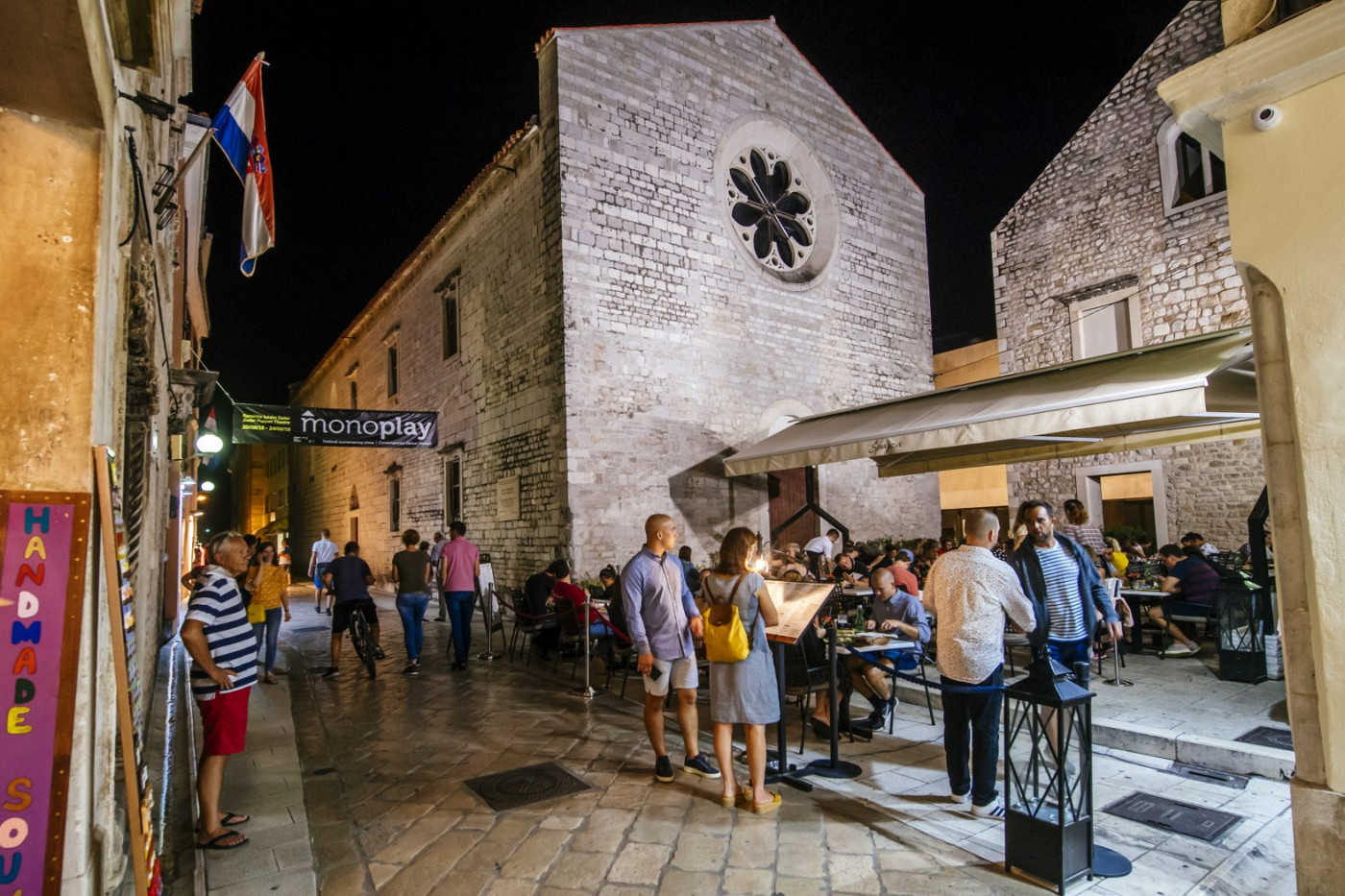
The Gothic Church of St Dominic in Zadar is located on the west side of the Land Gate, right across the Nassis Palace and the complex of the Proveditor's Palace. In 1396 the first Croatian university started operating as part of the Dominican Monastery.
Church of St Andrew and St Peter the Elder
Church of St Andrew and St Peter the Elder
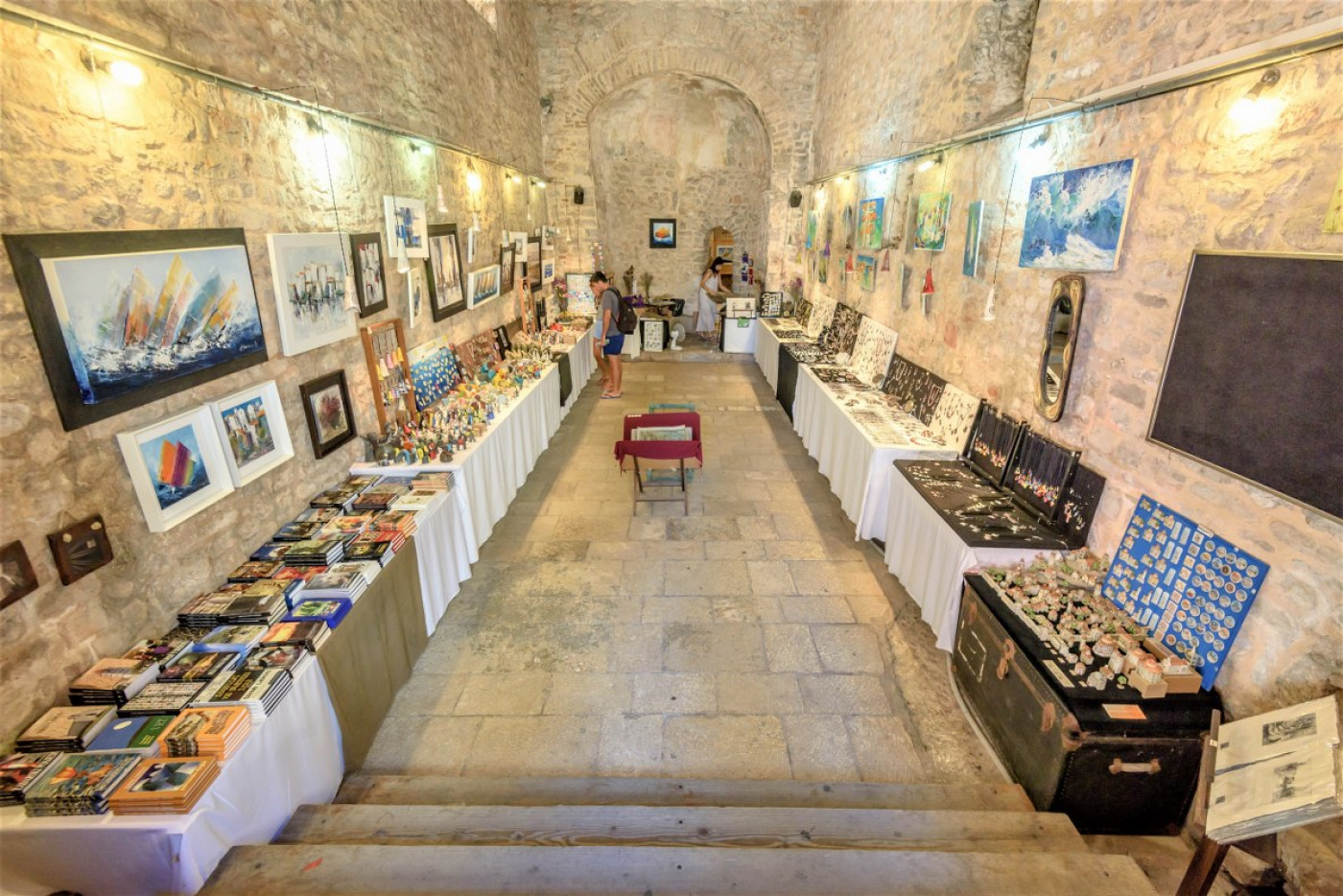
The Church of St Andrew and St Peter the Elder in Zadar is an example of a double church, located near the city market, and functioning as two connected little churches. The southern side wall and the apse of the Church of St Andrew date back to the 5th century, while the Church of St Peter was built on the spot of former Roman buildings.
Small Arsenal
Small Arsenal
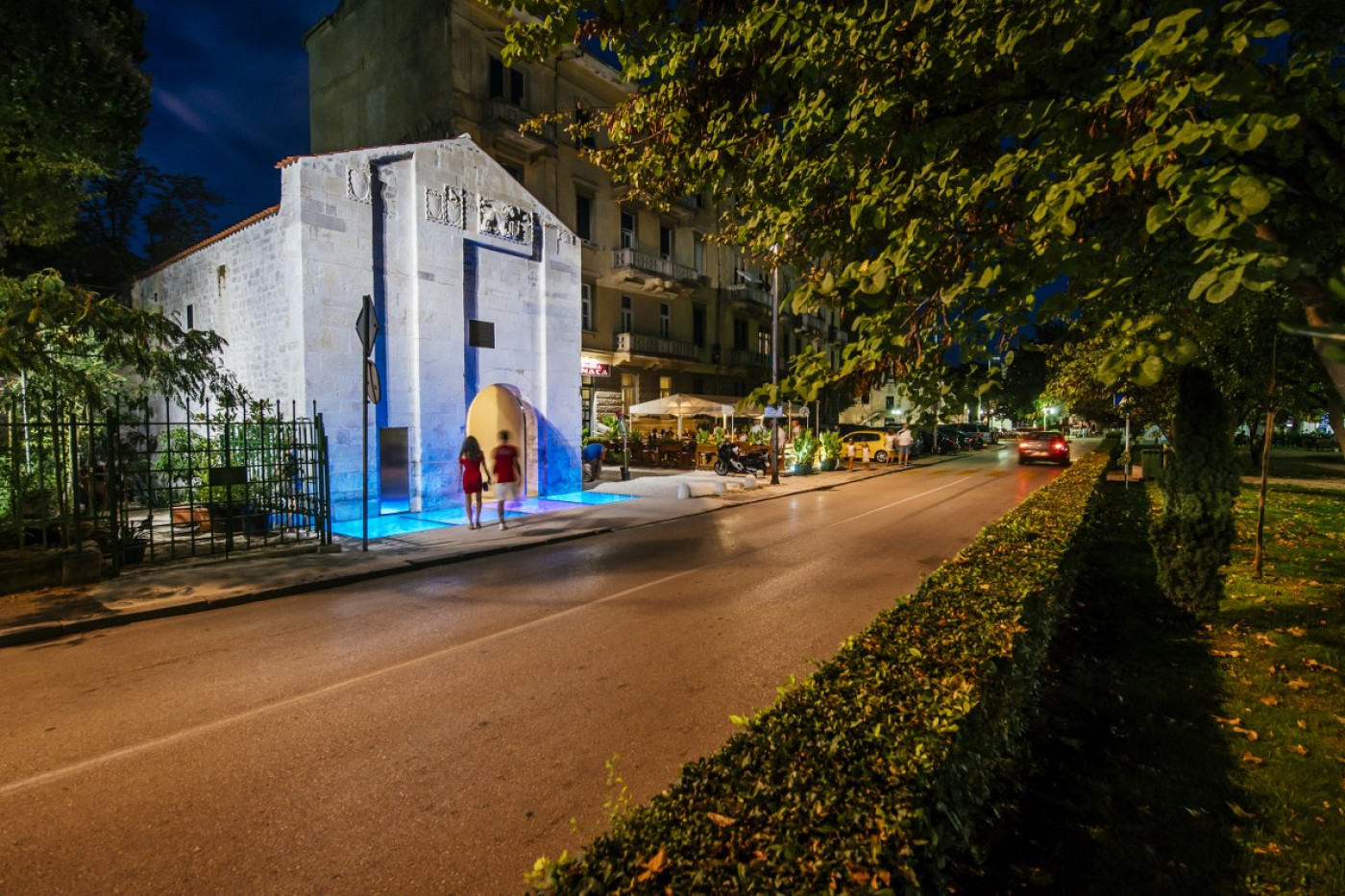
The Small Arsenal in Zadar is a protected monument of culture and a part of the Medieval Castle (Kaštel), a separate structure that has been integrated in the defensive system of the city walls. Only some parts have been preserved, among which is the lower part of the entrance tower that was later transformed into a gunpowder warehouse.

Church of St Donat
Church of St Donat
The Church of St Donat in Zadar has long been desacralized, meaning no liturgies are held here, and from the end of the 19th century until 1954 it housed the Zadar Archaeological Museum. As St Donat has exceptional acoustic characteristics, it has been the venue for Renaissance music festivals for decades.

Cathedral of St Anastasia
Cathedral of St Anastasia
The Cathedral of St Anastasia is a monumental Romanesque building, and it carries the name of the Sirmian martyr, to whom two popes bowed down; Alexander the III, who visited her tomb, and Pope John Paul II, who bowed down in 2003 in front of the main gate of the Cathedral.
.